


 EN
EN



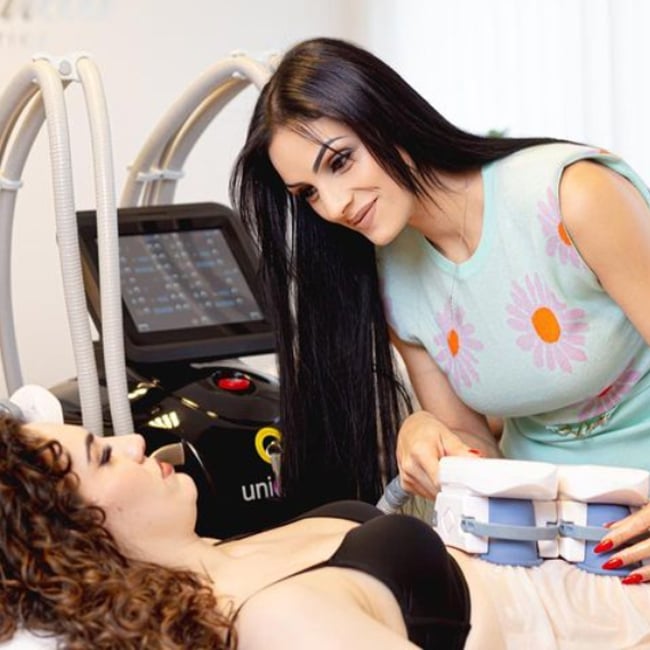
The aesthetic medicine landscape has witnessed a transformative shift toward non-invasive body contouring solutions, with cryolipolysis machine technology emerging as the definitive leader in fat reduction treatments. This revolutionary approach harnesses controlled cooling to permanently eliminate stubborn fat cells without surgery, downtime, or the risks associated with traditional liposuction. As clinics worldwide seek reliable, scientifically validated technologies that deliver consistent patient satisfaction, understanding why cryolipolysis has become the gold standard reveals critical insights into safety profiles, clinical efficacy, patient compliance, and long-term business viability for aesthetic practitioners.
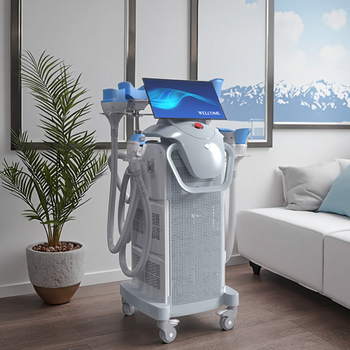
The designation of cryolipolysis as the gold standard stems from a unique convergence of factors: FDA clearance backed by extensive clinical research, a mechanism of action rooted in selective fat cell apoptosis, minimal adverse effects compared to alternative modalities, and proven patient outcomes that translate into measurable fat layer reduction. Unlike energy-based technologies that rely on heating tissue or mechanical disruption, the cryolipolysis machine operates through precision temperature control that targets adipocytes while preserving surrounding nerves, blood vessels, and dermal structures. This targeted selectivity, combined with predictable treatment protocols and reproducible results across diverse patient populations, positions cryolipolysis as the preferred choice for practitioners demanding clinical excellence and patients seeking safe, effective body sculpting solutions.
The Scientific Foundation Behind Cryolipolysis Superiority
Selective Cryolipolysis and Adipocyte Vulnerability
The fundamental advantage of cryolipolysis machine technology lies in the differential susceptibility of adipose tissue to cold-induced injury compared to other tissue types. Fat cells contain higher lipid content, making them crystallize and undergo apoptosis at temperatures that leave skin, muscle, and connective tissue unharmed. This biological principle, first observed in cases of cold-induced panniculitis in children, forms the scientific basis for controlled cryolipolysis treatments. The process initiates an inflammatory cascade specifically within treated adipocytes, triggering natural metabolic elimination over weeks to months without damaging adjacent structures.
Research demonstrates that exposure to temperatures between negative eight and negative twelve degrees Celsius for controlled durations induces fat cell death through membrane disruption and lipid crystallization. The cryolipolysis machine precisely maintains this therapeutic window, applying vacuum-assisted cooling panels that ensure uniform temperature distribution across treatment zones. Unlike thermal technologies that risk burns or RF devices that may cause uneven heating, the cold-based mechanism offers inherent safety through its selectivity. This physiological specificity explains why adverse events remain minimal and why practitioners can confidently treat various body areas without extensive training periods or concern for operator-dependent variability.
Clinical Evidence and FDA Validation
The gold standard status of cryolipolysis technology rests upon decades of peer-reviewed research and regulatory scrutiny. Initial FDA clearance for flank treatments in 2010 followed rigorous clinical trials demonstrating measurable fat layer reduction averaging twenty to twenty-five percent in treated areas after a single session. Subsequent clearances expanded approved treatment sites to include abdomen, thighs, submental region, and other common fat deposits, each supported by controlled studies with objective measurement protocols including ultrasound imaging, caliper assessments, and photographic documentation.
Long-term follow-up studies tracking patients for multiple years post-treatment confirm the permanence of results, as destroyed fat cells do not regenerate. A cryolipolysis machine that adheres to clinical protocols delivers predictable outcomes with satisfaction rates exceeding eighty-five percent in properly selected candidates. The volume of published literature supporting cryolipolysis vastly exceeds that of competing non-invasive technologies, providing practitioners with evidence-based confidence when counseling patients. This robust validation framework differentiates cryolipolysis from newer modalities lacking longitudinal data or comprehensive safety profiles, reinforcing its position as the most thoroughly vetted approach to non-surgical fat reduction.
Mechanism of Controlled Apoptosis Versus Necrosis
A critical distinction elevating cryolipolysis above alternative technologies involves the cellular pathway through which fat elimination occurs. The cryolipolysis machine induces apoptosis, a programmed cell death that triggers orderly dismantling of adipocytes followed by phagocytosis and natural metabolic clearance through the lymphatic system and liver processing. This contrasts sharply with necrosis-based approaches that cause sudden cell rupture, inflammatory surges, and potential complications from lipid release into surrounding tissues. Apoptotic fat reduction occurs gradually over eight to twelve weeks, allowing the body to process cellular debris systematically without overwhelming physiological clearance mechanisms.
The controlled nature of cryolipolysis-induced apoptosis explains the treatment's excellent safety profile and absence of systemic side effects. Patients experience minimal discomfort during procedures, typically describing initial cold sensation followed by numbness as the treatment area becomes anesthetized by cooling. Post-treatment effects remain limited to temporary redness, mild swelling, and transient firmness that resolve without intervention within days to weeks. The gradual result timeline, while requiring patient education regarding realistic expectations, ensures natural-appearing contour improvement without the sudden changes or irregularities that might accompany more aggressive interventions. This biological gentleness makes cryolipolysis suitable for patients with busy lifestyles who cannot accommodate recovery periods associated with surgical alternatives.
Clinical Advantages Defining Gold Standard Performance
Safety Profile and Complication Avoidance
The safety record distinguishing cryolipolysis machine technology as the gold standard reflects both its non-invasive nature and the inherent tissue selectivity of cold-based fat targeting. Unlike surgical liposuction requiring anesthesia, incisions, and cannula insertion with attendant risks of bleeding, infection, and contour irregularities, cryolipolysis involves only external applicator placement. The absence of needles, energy penetration into deep tissue, or mechanical disruption eliminates major complication categories that complicate other body contouring methods. Serious adverse events remain exceptionally rare, with extensive post-market surveillance data confirming safety across millions of treatments performed globally.
The most commonly reported side effect, paradoxical adipose hyperplasia occurring in fewer than one percent of cases, represents fat expansion rather than reduction in treated areas and remains a treatable condition rather than a dangerous complication. Other potential effects including transient altered sensation, delayed-onset pain, or temporary vasovagal responses occur infrequently and resolve spontaneously. This safety advantage proves particularly valuable when treating cosmetically motivated patients who prioritize risk minimization. Practitioners appreciate that cryolipolysis machine protocols reduce liability exposure while maintaining treatment efficacy, creating a sustainable business model built on patient safety and satisfaction rather than managing complication rates that could damage clinic reputation or generate malpractice concerns.
Versatility Across Treatment Areas and Patient Types
Gold standard designation requires technology that addresses diverse patient needs across anatomical regions and body compositions. The cryolipolysis machine excels through applicator variety designed for specific body contours, from large panels for abdominal treatments to smaller cups for targeted areas like submental fat or bra bulges. This adaptability allows practitioners to customize treatment plans addressing multiple concern areas within single sessions or sequential visits, providing comprehensive body contouring solutions that competing single-application technologies cannot match. The ability to treat both large volume reductions and precision sculpting with the same platform creates operational efficiency and inventory simplification for clinics.
Patient candidacy extends across wide BMI ranges, provided realistic expectations align with the technology's mechanism as a fat reduction rather than weight loss tool. Cryolipolysis proves most effective for patients at or near ideal body weight with discrete fat deposits resistant to diet and exercise, but modified protocols accommodate various presentations. Gender differences in fat distribution patterns require no protocol adjustment, as the cryolipolysis machine targets adipose tissue universally. Age similarly presents minimal constraint, with treatments safely performed on patients from young adults through seniors, provided skin quality supports adequate contour improvement following fat layer reduction. This demographic versatility ensures consistent patient flow and revenue generation across diverse practice populations.
Predictable Outcomes and Result Reproducibility
Clinical predictability separates gold standard technologies from experimental or inconsistent alternatives. The cryolipolysis machine delivers measurable fat layer reduction that correlates directly with treatment parameters including temperature, duration, and tissue contact. Standardized protocols established through clinical research provide practitioners with evidence-based guidelines that minimize result variability when properly implemented. Objective measurements via ultrasound, MRI, or caliper assessment demonstrate reproducible thickness reductions averaging twenty to twenty-five percent per treatment cycle, with some patients achieving greater responses through multiple sessions or enhanced tissue reactivity.
Result predictability extends beyond percentage reduction to encompass aesthetic outcomes, with treated areas demonstrating smooth contour improvement rather than the irregularities or asymmetries that may follow operator-dependent techniques. The physics-based mechanism of controlled cooling ensures uniform fat cell exposure within the treatment field, producing even fat layer thinning across applicator contact zones. This consistency builds patient trust and generates positive word-of-mouth referrals that sustain practice growth. Practitioners value the ability to confidently project outcomes during consultation, setting realistic expectations that lead to high satisfaction rates and treatment plan completion. The cryolipolysis machine's reproducibility also facilitates training standardization, allowing new staff members to achieve competent performance more rapidly than technologies requiring extensive hands-on skill development to avoid complications or suboptimal results.
Business and Operational Excellence Factors
Practice Integration and Workflow Efficiency
The gold standard for aesthetic technology encompasses not only clinical performance but also seamless integration into practice operations. Cryolipolysis machine systems offer turnkey implementation with minimal facility modifications, requiring only standard electrical supply and adequate treatment room space. The non-invasive nature eliminates requirements for surgical suites, anesthesia equipment, or specialized medical waste disposal that complicate practice expansion into body contouring services. Treatment rooms designed for cryolipolysis accommodate comfortable patient positioning during procedures lasting thirty-five to sixty minutes per area, during which patients read, work on devices, or relax without need for constant monitoring.
Workflow efficiency extends to staffing flexibility, as cryolipolysis treatments may be performed by trained technicians under appropriate supervision depending on jurisdictional regulations, freeing physicians for higher-level clinical activities. The hands-off nature of treatment cycles allows simultaneous patient management, with practitioners initiating multiple procedures across treatment rooms before conducting follow-up consultations or other clinical duties. This operational leverage maximizes provider productivity and revenue generation per clinical hour. Equipment maintenance requirements remain minimal compared to laser or RF technologies requiring regular calibration, consumable replacement, or technical servicing. The durability and reliability of cryolipolysis machine components support long operational lifespans with predictable cost structures that facilitate accurate financial planning.
Patient Satisfaction and Retention Dynamics
Gold standard technology drives practice growth through patient satisfaction that generates repeat business and referral networks. The cryolipolysis machine excels in creating positive patient experiences beginning with consultation, where clear explanations of the scientifically validated mechanism and extensive safety data build confidence. The treatment experience itself, while involving initial cold sensation, remains tolerable without anesthesia and allows patients to resume normal activities immediately post-procedure. This convenience factor proves decisive for busy professionals or parents who cannot accommodate recovery periods, significantly expanding the addressable market compared to surgical alternatives.
Result satisfaction stems from visible contour improvement that develops gradually, appearing natural to outside observers rather than announcing obvious cosmetic intervention. Patients appreciate the permanent nature of fat cell elimination, understanding that maintaining stable weight preserves treatment outcomes indefinitely. The ability to address multiple body areas through staged treatment plans creates ongoing patient engagement and revenue continuity as individuals complete comprehensive body contouring programs over months. High satisfaction rates translate into powerful testimonial marketing, with before-and-after photography and patient reviews providing authentic social proof that attracts new clientele. The cryolipolysis machine's established reputation and widespread recognition additionally reduce marketing burden, as consumer awareness of the technology facilitates conversion from inquiry to booked treatment.
Return on Investment and Revenue Optimization
Financial viability distinguishes sustainable aesthetic technologies from those that fail to deliver practice profitability. The cryolipolysis machine represents significant capital investment, yet generates attractive returns through high treatment pricing justified by clinical efficacy and patient demand. Per-treatment revenue typically ranges from several hundred to over a thousand dollars per area depending on market positioning, with consumable costs and operational expenses remaining modest percentages of gross revenue. The ability to treat multiple areas per session and encourage package purchasing for comprehensive results increases average transaction values and improves cash flow predictability.
Market demand sustainability for cryolipolysis technology reflects the large population of individuals seeking non-invasive fat reduction, estimated in millions across developed markets. Unlike trend-dependent treatments that experience boom-and-bust cycles, cryolipolysis maintains steady utilization due to fundamental consumer desire for body contouring without surgery. Competitive positioning remains strong as the technology with longest track record, most extensive validation, and broadest FDA clearances compared to newer entrants claiming equivalent or superior performance without comparable evidence bases. Practices investing in cryolipolysis machine systems benefit from established reimbursement coding where applicable, streamlined insurance verification processes, and patient financing options that reduce price sensitivity barriers. The combination of clinical excellence, patient satisfaction, and financial performance cements cryolipolysis as the gold standard investment for practices building sustainable aesthetic service lines.
Comparative Advantages Over Alternative Technologies
Cryolipolysis Versus Heat-Based Fat Reduction
Understanding gold standard status requires examining how cryolipolysis machine technology surpasses competing approaches. Heat-based modalities including radiofrequency, ultrasound, and laser systems attempt fat reduction through thermal injury or mechanical disruption, yet face inherent limitations that prevent achievement of equivalent safety and efficacy profiles. Thermal technologies risk skin burns, uneven heating patterns creating contour irregularities, and pain levels requiring anesthesia or aggressive cooling that complicates treatment delivery. The need to balance therapeutic fat heating against protective measures for overlying skin creates narrow treatment windows prone to suboptimal outcomes when parameters deviate from ideal ranges.
Clinical evidence comparing cryolipolysis to heat-based alternatives consistently demonstrates superior fat layer reduction percentages and higher patient satisfaction scores. The cold-based mechanism avoids stimulation of pain receptors that respond intensely to heat, improving treatment tolerability and eliminating requirements for oral pain medication or nerve blocks. Recovery profiles favor cryolipolysis with less post-treatment discomfort and shorter resolution of transient effects. Long-term result durability proves equivalent or superior, as the apoptotic fat cell destruction induced by the cryolipolysis machine produces permanent elimination comparable to surgical removal. Practitioners appreciate reduced liability exposure with cold-based treatments compared to technologies capable of causing burns requiring medical intervention or leaving permanent scarring that generates malpractice claims.
Non-Invasive Positioning Against Surgical Liposuction
The cryolipolysis machine occupies a distinct market position between doing nothing and undergoing surgical intervention, addressing patient populations unwilling to accept surgical risks or downtime yet desiring meaningful body contouring. While liposuction removes larger fat volumes and provides immediate results, its invasive nature necessitates anesthesia, creates infection and bleeding risks, requires compression garment wear and activity restriction during healing, and produces permanent scarring from cannula insertion sites. Complication rates including contour irregularities, skin dimpling, or asymmetry requiring revision surgery occur with sufficient frequency to concern risk-averse individuals.
Cryolipolysis offers compelling advantages for specific patient segments including those with moderate fat deposits achievable through non-invasive reduction, individuals with medical contraindications to anesthesia or surgery, and patients prioritizing safety and convenience over maximal volume removal. The ability to treat during lunch breaks and return immediately to work proves decisive for professionals unable to schedule surgical recovery. Cost considerations favor cryolipolysis for budget-conscious patients, as total treatment expenses including multiple sessions typically remain below surgical fees when accounting for facility costs, anesthesia, and time away from work. The cryolipolysis machine thus expands practice addressable markets by capturing patients who would otherwise forego treatment entirely rather than pursue surgery, growing overall body contouring service revenue beyond cannibalization of existing surgical volume.
Technology Maturity and Market Positioning
Gold standard status reflects not only current performance but also market longevity and proven track record distinguishing established technologies from unproven newcomers. The cryolipolysis machine benefits from over fifteen years of commercial availability, during which iterative improvements refined applicator designs, treatment protocols, and patient selection criteria. This maturation process identified optimal parameters through real-world experience across diverse patient populations and body types, knowledge embedded in current treatment recommendations. Newer technologies lack equivalent learning curves, leaving practitioners uncertain regarding long-term outcomes, complication patterns, or optimal utilization strategies.
Market positioning advantages include widespread consumer recognition of cryolipolysis terminology, reducing educational burden during marketing and consultation. Patients arrive already familiar with the concept through media coverage, celebrity endorsements, and peer recommendations, facilitating conversion from interest to treatment booking. Insurance and financing companies recognize cryolipolysis codes and have established policies regarding coverage or loan approval, streamlining administrative processes. Regulatory clarity surrounding FDA clearances and safety classifications provides legal certainty absent with emerging technologies facing uncertain classification or approval pathways. These cumulative advantages of market maturity reinforce the cryolipolysis machine's gold standard position, creating barriers to entry for competitors and protecting practice investments in established platforms.
Implementation Best Practices for Optimal Outcomes
Patient Selection and Expectation Management
Achieving gold standard results with cryolipolysis machine technology requires careful patient selection aligning candidate characteristics with treatment capabilities. Ideal patients present with discrete, pinchable fat bulges in FDA-cleared treatment areas, maintain stable body weight within healthy ranges, demonstrate realistic expectations regarding gradual result timelines and percentage reduction rather than dramatic transformation, and commit to healthy lifestyle maintenance supporting long-term outcome preservation. Exclusion criteria include conditions contraindicated for cold exposure such as cryoglobulinemia or cold agglutinin disease, active skin infections or inflammation in treatment zones, and unrealistic expectations for weight loss or skin tightening beyond technology scope.
Expectation management during consultation proves critical for satisfaction, clearly explaining that cryolipolysis reduces fat layers by twenty to twenty-five percent per cycle rather than eliminating deposits entirely. Visual aids including before-and-after photographs from previous patients, anatomical diagrams illustrating fat layer measurement, and realistic timelines showing gradual improvement over two to four months help candidates understand treatment mechanics. Discussing the potential need for multiple cycles to achieve desired outcomes and establishing clear retreat protocols prevents disappointment when single treatments produce subtle rather than dramatic change. The cryolipolysis machine delivers consistent results when applied to appropriate candidates with properly set expectations, maintaining high satisfaction and practice reputation.
Treatment Protocol Optimization and Technique Refinement
Technical execution quality significantly impacts results achieved with cryolipolysis machine systems. Optimal outcomes require attention to applicator selection matching treatment area anatomy, proper patient positioning ensuring maximal tissue capture within applicator chambers, adequate vacuum pressure creating firm contact throughout treatment duration, and precise temperature and time parameter settings following manufacturer protocols. Treating practitioners or technicians must assess tissue thickness and composition, adjusting applicator size and configuration to accommodate patient-specific anatomy while maintaining therapeutic cold exposure across entire treatment zones.
Advanced techniques including overlapping application patterns for extended areas, treating multiple body regions during single sessions to improve convenience and compliance, and strategic sequencing addressing most prominent concerns first optimize efficiency and patient satisfaction. Post-treatment massage of cooled areas may enhance fat cell disruption and improve result magnitude according to some clinical research. Documentation practices capturing standardized photography, caliper measurements, and patient-reported satisfaction scores enable outcome tracking supporting quality assurance and providing evidence for marketing materials. Continuous technique refinement through ongoing staff training, review of clinical literature reporting protocol innovations, and analysis of practice-specific outcome data ensures the cryolipolysis machine delivers gold standard performance consistently across all patient treatments.
Follow-Up Protocols and Treatment Plan Completion
Maximizing outcomes and patient satisfaction with cryolipolysis technology extends beyond initial treatment to encompass comprehensive follow-up and care continuity. Structured protocols including scheduled assessment visits at four, eight, and twelve weeks post-treatment allow objective result measurement through caliper assessment, photography comparison, and patient feedback collection. These touchpoints provide opportunities to celebrate visible improvement, address any concerns, and discuss additional treatment areas or repeat cycles enhancing initial results. The gradual nature of cryolipolysis-induced fat reduction makes follow-up particularly important, as patients may not immediately perceive changes occurring incrementally.
Treatment plan completion rates significantly impact practice revenue and patient outcomes, making retention strategies essential. Multi-area package pricing incentivizes comprehensive body contouring addressing multiple concerns through discounted bundled treatments. Membership programs offering priority scheduling and preferential pricing encourage ongoing engagement beyond initial procedure completion. Patient education regarding maintenance through healthy lifestyle, including nutrition counseling and fitness recommendations, preserves cryolipolysis machine results while positioning the practice as comprehensive wellness partner rather than transactional service provider. These relationship-building approaches leveraging the gold standard cryolipolysis platform create sustainable practice growth through patient lifetime value maximization and referral generation from highly satisfied clients achieving transformative body contouring results.
FAQ
What makes cryolipolysis more effective than other non-invasive fat reduction methods?
Cryolipolysis machine technology achieves superior effectiveness through its selective targeting mechanism that exploits the unique vulnerability of fat cells to cold-induced apoptosis. Unlike heat-based technologies that risk collateral tissue damage or require complex energy delivery balancing, controlled cooling specifically triggers fat cell death at temperatures that leave surrounding skin, nerves, and blood vessels unharmed. Clinical studies demonstrate fat layer reduction averaging twenty to twenty-five percent per treatment cycle with cryolipolysis, supported by objective measurement methods including ultrasound imaging and caliper assessment. The permanent elimination of treated fat cells through natural metabolic clearance produces lasting results that competing technologies struggle to match. Additionally, the extensive FDA clearance portfolio covering multiple body areas, combined with over fifteen years of real-world safety data encompassing millions of treatments, provides evidence-based confidence unavailable with newer or less-validated alternatives.
How long does it take to see results from cryolipolysis treatments?
Results from cryolipolysis machine treatments develop gradually as the body naturally processes and eliminates fat cells destroyed through controlled cooling. Initial changes may become noticeable within three to four weeks as the inflammatory response and apoptotic cascade begin, but most significant improvement appears between eight and twelve weeks post-treatment when maximal fat cell clearance has occurred. Some patients continue observing subtle enhancement through four months as final adipocyte elimination completes. This gradual timeline results from the biological mechanism of programmed cell death and phagocytic removal rather than immediate mechanical extraction, creating natural-appearing contour improvement that appears as weight loss rather than obvious cosmetic intervention. Practitioners should educate patients regarding realistic timelines during consultation to prevent disappointment and ensure satisfaction when results manifest according to expected schedules. The permanent nature of outcomes justifies the patience required, as eliminated fat cells do not regenerate, preserving treatment benefits indefinitely with stable weight maintenance.
Can cryolipolysis be combined with other body contouring treatments?
Cryolipolysis machine treatments integrate well within comprehensive body contouring protocols combining multiple modalities addressing different aesthetic concerns. Common combinations include radiofrequency or ultrasound skin tightening procedures performed after cryolipolysis to address mild skin laxity accompanying fat layer reduction, creating smoother contours with improved tone. Muscle-stimulating electromagnetic technologies may complement cryolipolysis by building underlying musculature while fat reduction slims overlying adipose layers, achieving more defined athletic appearance. Treatment sequencing typically spaces cryolipolysis and complementary procedures by several weeks, allowing initial inflammatory responses to resolve before introducing additional interventions. Some practitioners perform skin tightening during the waiting period between cryolipolysis treatment and result manifestation, maximizing efficiency and patient convenience. Combination approaches should follow evidence-based protocols with clear therapeutic rationale rather than indiscriminate technology stacking. The gold standard status of cryolipolysis as the foundation for fat reduction allows strategic pairing with proven complementary technologies, creating synergistic outcomes exceeding results achievable through single-modality treatment.
What qualifications should practitioners have to operate cryolipolysis equipment?
Operating cryolipolysis machine systems requires appropriate medical credentials and comprehensive training ensuring patient safety and optimal outcomes. Regulatory requirements vary by jurisdiction, with some regions mandating physician supervision or performance while others permit trained aesthetic nurses, physician assistants, or technicians to conduct treatments under appropriate oversight. Regardless of specific credentials, practitioners should complete manufacturer-provided training covering device operation, treatment protocols, patient selection criteria, contraindication recognition, and complication management. Hands-on experience under supervision helps develop assessment skills for tissue evaluation, applicator selection, and parameter adjustment. Understanding the scientific basis of cryolipolysis including cold-induced apoptosis mechanisms, expected timelines for results, and realistic outcome ranges enables accurate patient counseling. Ongoing education through continuing medical education courses, clinical literature review, and peer learning maintains competency as protocols evolve. Practices should establish clear policies defining scope of practice for various staff levels, ensuring appropriate physician involvement in patient evaluation, treatment planning, and outcome assessment even when non-physician providers perform actual procedures under supervision.
Table of Contents
- The Scientific Foundation Behind Cryolipolysis Superiority
- Clinical Advantages Defining Gold Standard Performance
- Business and Operational Excellence Factors
- Comparative Advantages Over Alternative Technologies
- Implementation Best Practices for Optimal Outcomes
-
FAQ
- What makes cryolipolysis more effective than other non-invasive fat reduction methods?
- How long does it take to see results from cryolipolysis treatments?
- Can cryolipolysis be combined with other body contouring treatments?
- What qualifications should practitioners have to operate cryolipolysis equipment?