


 EN
EN



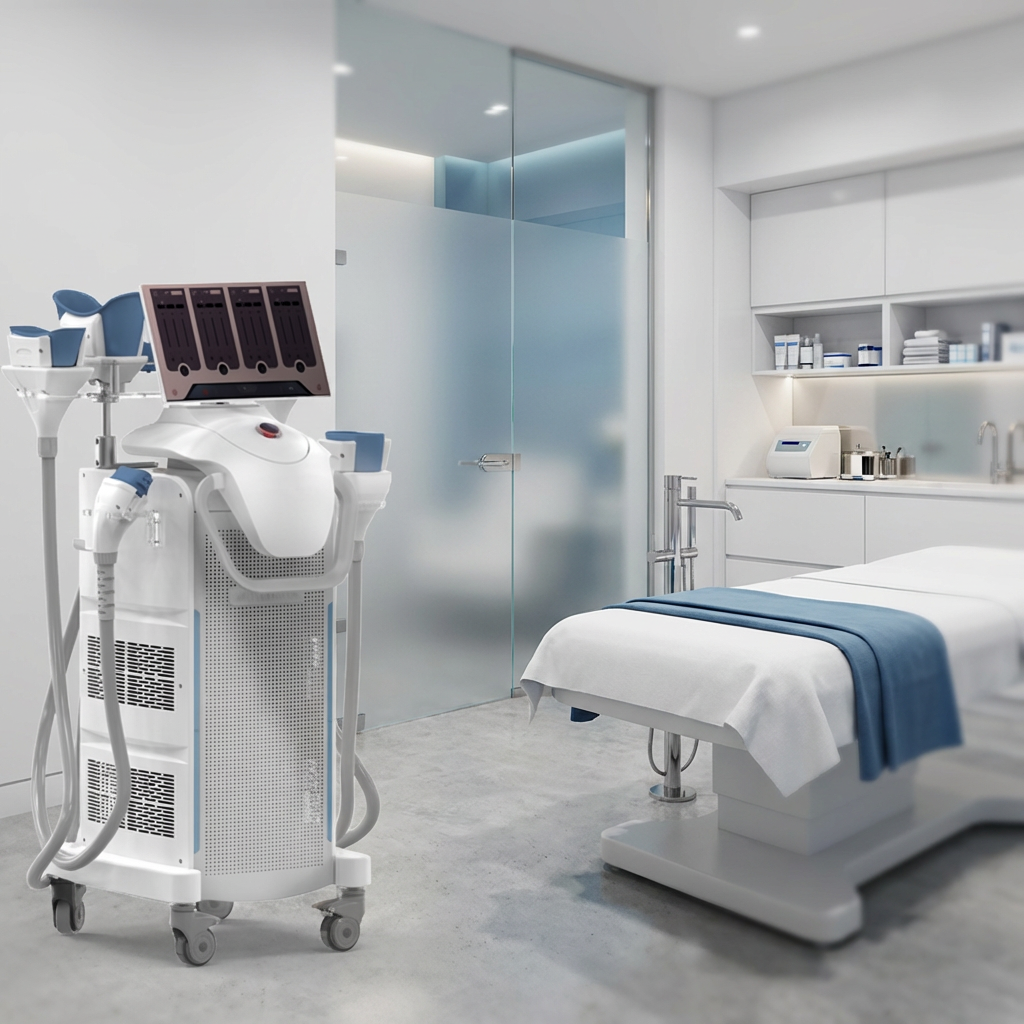
Stubborn fat deposits in the belly and thigh areas have long frustrated individuals seeking effective body contouring solutions, even after rigorous diet and exercise regimens. These problem zones respond poorly to conventional weight loss methods due to their high concentration of resistant adipose tissue, which stubbornly clings to the body despite considerable effort. The cryolipolysis slimming machine has emerged as a revolutionary non-invasive solution specifically engineered to target these persistent fat accumulations, offering a scientifically validated approach that addresses the unique biological characteristics of belly and thigh fat. This technology delivers precise controlled cooling that selectively destroys fat cells without damaging surrounding tissues, providing results that traditional methods simply cannot achieve for these notoriously difficult treatment areas.
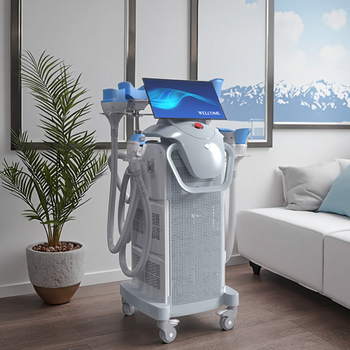
Understanding why the cryolipolysis slimming machine demonstrates exceptional effectiveness for belly and thigh fat requires examining the biological mechanisms that make these areas particularly resistant to reduction, the precise technological advantages that cryolipolysis offers for these specific zones, and the clinical evidence supporting superior outcomes in abdominal and femoral fat reduction. This advanced cooling technology specifically addresses the stubborn nature of visceral and subcutaneous fat deposits that accumulate around the midsection and upper legs, providing targeted fat elimination that works with the body's natural metabolic processes rather than against them. Professional aesthetic practitioners and medical clinics worldwide have adopted this technology precisely because it delivers consistent, measurable results for the body areas that clients most frequently request for treatment.
The Biological Challenge of Belly and Thigh Fat Accumulation
Hormonal Factors Driving Stubborn Fat Storage Patterns
The accumulation of persistent fat in the abdominal and thigh regions stems from complex hormonal influences that actively promote fat storage in these specific anatomical locations. Estrogen dominance in women directs adipose tissue development primarily toward the hips, thighs, and lower abdomen, creating the characteristic pear-shaped or apple-shaped body types that resist conventional fat loss strategies. Cortisol elevation from chronic stress further compounds this problem by triggering visceral fat accumulation specifically around the midsection, where fat cells exhibit heightened insulin resistance and reduced metabolic activity. The cryolipolysis slimming machine addresses these hormonally-driven fat deposits by physically eliminating the resistant adipocytes rather than attempting to metabolically shrink them through caloric restriction alone.
Testosterone levels significantly influence fat distribution patterns, with declining levels in both aging men and women correlating with increased abdominal fat deposition and reduced muscle mass. This hormonal shift creates a metabolic environment where belly fat becomes progressively more resistant to reduction through diet and exercise alone, as the body preferentially preserves these energy stores for perceived survival needs. Thigh fat particularly demonstrates alpha-adrenergic receptor dominance, which actively inhibits lipolysis and makes these deposits extraordinarily stubborn to mobilize through conventional weight loss approaches. The targeted cooling action of a cryolipolysis slimming machine circumvents these receptor-mediated resistance mechanisms by inducing controlled cell death independent of hormonal signaling pathways.
Cellular Characteristics That Resist Traditional Fat Loss Methods
Adipocytes in the abdominal and thigh regions exhibit distinct cellular characteristics that fundamentally differentiate them from fat cells in other body areas, explaining their notorious resistance to reduction. These fat cells demonstrate higher density of alpha-2 adrenergic receptors that actively block fat release, while simultaneously showing lower concentrations of beta-adrenergic receptors that would normally promote fat mobilization during caloric deficit or exercise. This unfavorable receptor ratio creates a biochemical lock that prevents effective lipolysis even when systemic conditions favor fat burning in other body regions. The cryolipolysis slimming machine overcomes this cellular resistance by physically destroying these resistant adipocytes through controlled thermal injury rather than attempting to metabolically activate them.
Blood flow patterns to abdominal and thigh fat deposits further contribute to their stubborn nature, with these areas typically receiving reduced circulation compared to other adipose regions. This diminished vascular supply limits the delivery of lipolytic hormones and reduces the removal of released fatty acids, creating a metabolic stagnation that preserves fat stores even during active weight loss periods. The subcutaneous fat layers in these zones also demonstrate greater thickness and structural complexity, with fibrous septae creating compartmentalized pockets that physically trap adipose tissue and resist volume reduction. A properly applied cryolipolysis slimming machine directly addresses this structural complexity by uniformly cooling the entire treatment area, ensuring comprehensive fat cell destruction throughout the deeper tissue layers where stubborn fat resides.
Technological Advantages of Cryolipolysis for Problem Fat Zones
Precise Temperature Control Enabling Selective Fat Cell Destruction
The fundamental technological advantage that makes the cryolipolysis slimming machine particularly effective for belly and thigh fat lies in its capacity to deliver precisely controlled cooling that selectively targets adipocytes while preserving all surrounding tissues. Fat cells demonstrate unique vulnerability to cold exposure due to their high lipid content and specific membrane composition, undergoing crystallization and subsequent apoptosis when exposed to temperatures between negative eight and negative ten degrees Celsius. This selective vulnerability represents the cornerstone principle that enables safe, effective treatment of stubborn fat deposits without risk to skin, nerves, blood vessels, or connective tissues that possess greater cold tolerance. The advanced thermal management systems in modern cryolipolysis equipment maintain exact temperature parameters throughout extended treatment sessions, ensuring optimal fat destruction while preventing any tissue damage.
The cooling applicators used in cryolipolysis slimming machine systems feature sophisticated vacuum technology that draws the target fat bulge into the treatment cup, maximizing contact between cooling plates and adipose tissue while increasing thermal transfer efficiency. This vacuum-assisted approach proves especially valuable for treating the curved contours of the abdomen and inner thighs, where maintaining consistent applicator contact would otherwise prove challenging. The controlled suction also temporarily reduces blood flow to the treatment area, enhancing cooling effectiveness and ensuring uniform temperature distribution throughout the targeted fat layer. Multiple applicator sizes and shapes accommodate the anatomical variations between different treatment zones, with specialized cups designed specifically for the lower abdomen, flanks, and inner and outer thigh regions.
Non-Invasive Application Suitable for Sensitive Body Areas
The completely non-invasive nature of the cryolipolysis slimming machine makes it uniquely appropriate for treating sensitive areas like the belly and thighs where surgical intervention carries elevated risks and extended recovery requirements. Unlike liposuction or other invasive fat removal procedures that require incisions, anesthesia, and significant downtime, cryolipolysis treatments involve only external cooling with no penetration of the skin barrier. This non-invasive approach eliminates risks of infection, scarring, bleeding complications, and anesthesia reactions that accompany surgical alternatives, making it accessible to a broader patient population including those with medical conditions that preclude invasive procedures. The absence of downtime allows clients to immediately resume normal activities following treatment, a crucial advantage for busy professionals who cannot accommodate extended recovery periods.
The safety profile of the cryolipolysis slimming machine proves particularly important when treating the abdominal region, where proximity to internal organs demands extreme caution with any fat reduction intervention. The selective cooling mechanism exclusively affects subcutaneous adipose tissue while leaving deeper structures completely unaffected, as the controlled temperature penetration depth precisely matches typical subcutaneous fat layer thickness. This inherent safety margin provides confidence when treating areas near vital structures, enabling aggressive fat reduction without compromising patient safety. The treatment comfort level, while involving temporary cold sensation and pressure, remains well-tolerated by most clients without requiring pain medication or sedation, further distinguishing cryolipolysis from more uncomfortable fat reduction alternatives.
Clinical Evidence Supporting Superior Results for Abdominal and Thigh Fat
Documented Fat Reduction Outcomes in Target Zones
Extensive clinical research demonstrates that the cryolipolysis slimming machine achieves particularly impressive fat reduction results when applied to abdominal and thigh deposits, with measurable improvements exceeding outcomes for other treatment areas. Published studies document average fat layer reductions of twenty to twenty-five percent in treated areas following a single cryolipolysis session, with abdominal and thigh applications frequently achieving results at the higher end of this range due to the substantial fat volume available for treatment in these zones. Ultrasound imaging and caliper measurements confirm these reductions as true fat loss rather than temporary water loss or tissue compression, with histological examination of treated tissue showing decreased adipocyte populations and maintained structural integrity of surrounding tissues.
Long-term follow-up data reveals that results from cryolipolysis slimming machine treatments for belly and thigh fat demonstrate excellent durability, with destroyed fat cells permanently eliminated from the body through natural metabolic processes. The treated adipocytes undergo controlled cell death through apoptosis rather than necrosis, triggering gradual inflammatory clearance over two to four months that produces progressive visible improvement long after the actual cooling treatment concludes. This delayed response pattern actually provides aesthetic advantages by creating natural-appearing gradual contour improvement rather than sudden dramatic change that might appear artificial. Patient satisfaction surveys consistently show high approval ratings for cryolipolysis outcomes in stubborn fat areas, with many clients reporting that these treatments finally provided the contour improvements that diet and exercise alone could never achieve.
Comparative Effectiveness Against Alternative Fat Reduction Technologies
When evaluated against competing non-invasive fat reduction technologies, the cryolipolysis slimming machine consistently demonstrates superior efficacy for treating substantial belly and thigh fat deposits that characterize the most common patient complaints. Radiofrequency and ultrasound-based fat reduction methods achieve more modest results typically ranging from ten to fifteen percent fat reduction, making them less suitable for clients seeking significant contour change in problem areas. Laser lipolysis approaches require invasive fiber insertion through needle punctures, compromising the truly non-invasive advantage while still producing results inferior to surgical liposuction. The cryolipolysis slimming machine occupies a unique middle ground, delivering non-invasive treatment with results approaching those of invasive procedures while maintaining the safety and convenience profile that clients increasingly demand.
The treatment efficiency of the cryolipolysis slimming machine proves particularly advantageous for busy aesthetic practices, with each treatment session lasting only thirty-five to sixty minutes depending on the number of areas treated simultaneously. Modern multi-applicator systems enable concurrent treatment of multiple zones, allowing comprehensive abdominal and thigh contouring within a single extended appointment rather than requiring numerous separate sessions. This efficiency translates to improved practice productivity and enhanced client convenience compared to alternative technologies requiring multiple weekly treatments over extended timeframes. The predictable treatment outcomes and standardized protocols also reduce operator skill dependency compared to technique-sensitive technologies, ensuring consistent results across different practitioners and treatment locations.
Practical Treatment Considerations for Optimal Outcomes
Ideal Candidate Selection and Realistic Expectation Setting
Achieving optimal results with the cryolipolysis slimming machine for belly and thigh fat requires appropriate candidate selection based on established clinical criteria that predict treatment success. Ideal candidates present with noticeable pinchable fat bulges in target areas, maintain overall good health with stable body weight, and hold realistic expectations about the gradual nature and magnitude of results. Individuals within thirty pounds of their ideal weight typically achieve the most satisfying outcomes, as the technology excels at refining contours and eliminating stubborn pockets rather than serving as a primary weight loss method. Body mass index below thirty generally correlates with better treatment outcomes, as excessive overall adiposity may require multiple treatment cycles and still may not achieve desired contour goals.
Comprehensive consultation before initiating cryolipolysis slimming machine treatments must establish realistic expectations regarding the timeline and degree of improvement clients can anticipate. Most individuals require two to three months to observe final results as the body gradually metabolizes destroyed fat cells, with some continuing improvement visible up to six months post-treatment. Multiple treatment sessions spaced at least two months apart may prove necessary for substantial fat deposits or when clients desire more dramatic contour change than a single session can provide. Setting these expectations upfront prevents disappointment and ensures client satisfaction with outcomes that align with the technology's documented capabilities rather than unrealistic hopes for surgical-level transformation.
Treatment Protocol Optimization for Maximum Fat Reduction
Maximizing fat reduction outcomes when using the cryolipolysis slimming machine for belly and thigh areas requires attention to proper treatment protocol execution including applicator selection, positioning, treatment duration, and post-treatment care. Selecting the appropriately sized applicator ensures optimal tissue capture and cooling contact, with undersized cups failing to address the entire fat deposit and oversized applicators creating inadequate vacuum pressure for effective cooling. Precise applicator positioning targets the thickest portion of the fat bulge while avoiding bony prominences and areas with insufficient adipose tissue for safe treatment. Treatment duration follows manufacturer specifications typically ranging from thirty-five to sixty minutes depending on the specific applicator and technology platform employed.
Post-treatment massage of the treated area immediately following applicator removal significantly enhances fat reduction outcomes by mechanically disrupting crystallized adipocytes and promoting inflammatory clearance processes. This two-minute firm massage, while temporarily uncomfortable, has demonstrated the ability to increase fat reduction by an additional twenty to thirty percent compared to treatments without massage. Clients should receive guidance on maintaining stable body weight following cryolipolysis slimming machine treatments, as significant weight gain can cause remaining fat cells to enlarge and compromise aesthetic results. Encouraging continued healthy lifestyle habits including balanced nutrition and regular physical activity optimizes and maintains treatment outcomes while supporting overall health and wellness beyond purely aesthetic considerations.
Business and Clinical Implementation Advantages
Practice Integration and Revenue Generation Potential
For medical aesthetic practices and wellness clinics, incorporating the cryolipolysis slimming machine into service offerings provides substantial revenue generation opportunities while addressing the most common client concern regarding stubborn body fat. The strong consumer demand for non-invasive fat reduction creates a ready market for cryolipolysis services, with minimal marketing investment required to attract clients already actively seeking this specific treatment modality. Treatment pricing typically ranges from six hundred to fifteen hundred dollars per area depending on geographic location and practice positioning, with recommended treatment packages involving multiple areas or sessions generating substantial per-client revenue. The consumable costs for cryolipolysis remain relatively low compared to treatment fees, creating favorable profit margins that compare favorably to alternative practice revenue streams.
The cryolipolysis slimming machine serves as an effective gateway service that introduces new clients to the practice and creates opportunities for cross-selling complementary aesthetic treatments. Clients satisfied with their body contouring results frequently become interested in additional services addressing other aesthetic concerns including skin tightening, facial rejuvenation, and preventive skincare. This client expansion potential significantly multiplies the lifetime value of each cryolipolysis patient beyond the immediate treatment revenue. The treatment also generates strong word-of-mouth referrals as satisfied clients share their results with friends and family struggling with similar stubborn fat concerns, creating organic practice growth without proportional marketing expenditure increases.
Training Requirements and Operational Efficiency
Operating the cryolipolysis slimming machine requires less extensive training compared to many alternative aesthetic technologies, enabling rapid staff competency development and efficient practice implementation. Most manufacturers provide comprehensive training programs covering patient selection criteria, treatment planning, applicator selection and positioning, device operation, and complication management within one to two days of intensive instruction. The relatively standardized treatment protocols and automated device operation reduce the technical skill dependency that characterizes operator-dependent technologies like laser treatments or injection procedures. This accessibility allows practices to train multiple staff members as treatment providers, creating scheduling flexibility and capacity to accommodate high patient volume without requiring physician time for every treatment session.
The operational efficiency of modern cryolipolysis slimming machine systems with multiple simultaneous applicators maximizes practice productivity by enabling treatment of several body areas or even multiple patients concurrently. This parallel processing capability dramatically increases the number of treatment areas that can be completed daily compared to single-applicator systems requiring sequential treatment of each zone. The hands-free automated operation allows trained staff to initiate treatments and then attend to other responsibilities while the device completes the cooling cycle, further optimizing labor utilization. These efficiency advantages translate directly to improved practice profitability through higher patient throughput without proportional increases in staffing or facility requirements.
FAQ
How many cryolipolysis treatments are needed to see results on belly and thigh fat?
Most individuals observe noticeable fat reduction in treated belly and thigh areas following a single cryolipolysis slimming machine session, with results becoming progressively visible over two to four months as the body naturally eliminates destroyed fat cells. However, the number of treatments required depends on the initial fat volume, desired degree of reduction, and individual metabolic response. Clients with substantial stubborn fat deposits or those seeking more dramatic contour improvement typically benefit from two to three treatment sessions spaced eight to twelve weeks apart. Each session can reduce fat layer thickness by approximately twenty to twenty-five percent, with multiple treatments producing cumulative effects. Consultation with a qualified provider enables development of a personalized treatment plan based on specific anatomical assessment and aesthetic goals.
Is cryolipolysis painful and what does the treatment feel like?
The cryolipolysis slimming machine treatment experience involves temporary discomfort but remains well-tolerated by most clients without requiring pain medication or anesthesia. During the initial minutes, patients feel intense cold sensation and pulling pressure as the vacuum draws tissue into the applicator, with this discomfort typically subsiding within five to ten minutes as the area becomes numb from the cooling effect. Throughout the remainder of the treatment session, most people experience minimal sensation and can read, work on electronic devices, or simply relax. Following applicator removal, the treated area feels temporarily numb and firm, and the required post-treatment massage creates brief intense discomfort that quickly resolves. Some individuals experience temporary side effects including redness, bruising, tingling, or numbness that resolve within days to weeks, but these effects rarely interfere with normal activities.
Can the fat return after cryolipolysis treatment of belly and thighs?
The fat cells destroyed by the cryolipolysis slimming machine are permanently eliminated from the body and cannot regenerate, making the fat reduction in treated areas lasting provided that overall body weight remains stable. The body does not create new fat cells after adolescence, so the reduced adipocyte population in treated zones persists indefinitely. However, remaining fat cells throughout the body, including those in treated areas, can still enlarge if caloric intake substantially exceeds expenditure leading to weight gain. Significant weight increase following treatment may cause remaining fat cells to expand and compromise aesthetic results, though treated areas typically accumulate less additional fat than untreated zones due to the reduced cell population. Maintaining stable body weight through balanced nutrition and regular physical activity preserves cryolipolysis outcomes and prevents new stubborn fat accumulation in previously treated areas.
Who should not receive cryolipolysis treatment for belly or thigh fat?
While the cryolipolysis slimming machine offers safe effective treatment for most individuals with stubborn belly and thigh fat, certain medical conditions and situations contraindicate this therapy. Individuals with cryoglobulinemia, cold agglutinin disease, or paroxysmal cold hemoglobinuria should not receive cryolipolysis due to abnormal responses to cold exposure that could trigger serious complications. Pregnancy, active infections in treatment areas, and certain skin conditions including dermatitis or open wounds contraindicate treatment until these conditions resolve. People with significantly loose skin or poor skin elasticity may achieve suboptimal aesthetic outcomes as the skin may not adequately retract following fat reduction. Those with hernias in potential treatment areas or implanted devices like pacemakers near treatment zones require careful evaluation and may not be appropriate candidates. Comprehensive medical history review and physical examination by a qualified provider ensures safe candidate selection and identifies any contraindications before proceeding with treatment.
Table of Contents
- The Biological Challenge of Belly and Thigh Fat Accumulation
- Technological Advantages of Cryolipolysis for Problem Fat Zones
- Clinical Evidence Supporting Superior Results for Abdominal and Thigh Fat
- Practical Treatment Considerations for Optimal Outcomes
- Business and Clinical Implementation Advantages
- FAQ