


 EN
EN



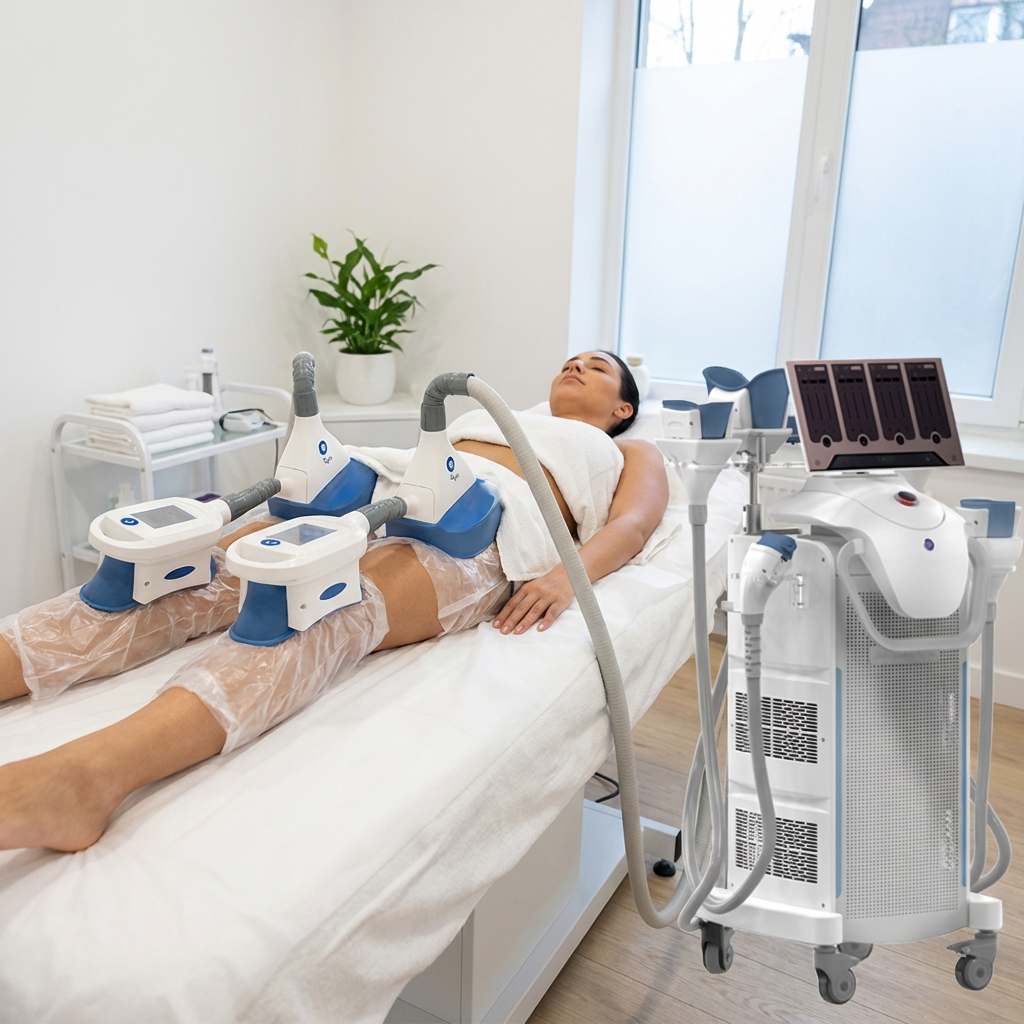
Fat freezing has transformed the landscape of non-invasive body contouring, offering individuals a scientifically validated method to reduce stubborn fat deposits without surgery. At the heart of this revolutionary treatment lies the cryolipolysis machine, a sophisticated device engineered to target and eliminate fat cells through controlled cooling. Understanding how this technology operates requires exploring the biological mechanisms, thermal dynamics, and engineering precision that make selective fat reduction possible while preserving surrounding tissues.
The science behind the cryolipolysis machine stems from a fundamental discovery about adipose tissue: fat cells demonstrate greater vulnerability to cold temperatures compared to other cell types in the human body. This differential sensitivity creates the foundation for a treatment modality that can achieve localized fat reduction through precise thermal intervention. The cryolipolysis machine capitalizes on this biological phenomenon by delivering carefully calibrated cooling to subcutaneous fat layers, initiating a natural elimination process that unfolds over weeks following treatment. This article examines the mechanisms, thermal engineering, biological responses, and clinical outcomes that explain exactly how fat freezing works at both the cellular and systemic levels.
The Biological Foundation of Selective Fat Cell Destruction
Differential Thermal Sensitivity Between Tissue Types
The effectiveness of the cryolipolysis machine depends on a critical biological principle: adipocytes, or fat cells, undergo structural damage at temperatures that leave surrounding tissues unharmed. Research has established that fat cells begin experiencing injury when exposed to temperatures between four and ten degrees Celsius, while skin, nerves, blood vessels, and muscle tissue tolerate these conditions without significant damage. This temperature window creates the therapeutic opportunity for selective fat reduction.
At the molecular level, the lipid-rich composition of adipocytes makes them particularly susceptible to cold-induced crystallization. When a cryolipolysis machine applies controlled cooling to treatment areas, the triglycerides within fat cells begin transitioning toward a semi-solid state. This phase change disrupts cellular membranes and triggers a cascade of inflammatory responses specific to adipocytes. Meanwhile, the aqueous environments of neighboring cells maintain stability at these same temperatures, preventing collateral damage to non-target tissues.
The thermal vulnerability of fat cells represents an evolutionary characteristic rather than a design feature. Adipose tissue evolved to store energy and provide insulation, not to withstand prolonged exposure to near-freezing temperatures. The cryolipolysis machine exploits this inherent limitation by creating a thermal environment that selectively stresses fat cells while remaining within the tolerance range of all other tissue types present in the subcutaneous layer.
The Mechanism of Cold-Induced Fat Cell Death
When the cryolipolysis machine applies sustained cooling to targeted areas, fat cells undergo a specific form of programmed cell death called apoptosis. Unlike necrosis, which results from acute trauma and causes inflammation, apoptosis represents a controlled cellular dismantling process. The cooling stimulus triggers biochemical signals within adipocytes that activate self-destruction pathways. This distinction matters significantly because apoptotic cells are processed efficiently by the immune system without generating excessive inflammatory responses.
The apoptotic process in cooled fat cells unfolds over several days following treatment with a cryolipolysis machine. Initial membrane disruption occurs during the cooling phase, but the full cascade of cellular breakdown continues long after the applicator is removed. Damaged adipocytes release chemical signals that attract macrophages, specialized immune cells responsible for clearing cellular debris. These macrophages engulf the compromised fat cells and transport their contents to the lymphatic system for processing and eventual elimination.
Histological studies of tissue treated by a cryolipolysis machine reveal a predictable timeline of cellular changes. Within three days post-treatment, inflammatory cells begin infiltrating the cooled fat layer. Between one and two weeks, macrophage activity peaks as the immune system actively clears damaged adipocytes. By three months, the fat layer demonstrates measurable reduction in thickness, with the space previously occupied by eliminated fat cells replaced by subtle remodeling of the remaining tissue architecture.
Engineering Principles Behind Controlled Cooling Technology
Thermal Control Systems and Temperature Monitoring
The precision of a cryolipolysis machine depends on sophisticated thermal management systems that maintain target tissues within a narrow temperature range throughout treatment. These devices incorporate thermoelectric cooling elements, typically based on Peltier effect technology, which allows precise temperature regulation without requiring refrigerants or compressors. The cooling plates within applicators draw heat from tissue through direct contact, while integrated sensors continuously monitor temperature to prevent overcooling.
Modern cryolipolysis machine designs feature closed-loop feedback systems that adjust cooling intensity in real-time based on tissue response. As treatment progresses and tissue temperature drops, the device modulates power delivery to maintain the target temperature zone. This dynamic adjustment prevents thermal runaway, where excessive cooling could damage skin or other structures, while ensuring sufficient cold exposure to trigger the desired fat cell response. The control algorithms balance multiple variables including initial tissue temperature, ambient conditions, and individual patient thermal characteristics.
The applicator design of a cryolipolysis machine also incorporates vacuum technology that serves multiple functions beyond simple tissue immobilization. The vacuum draws targeted fat into closer contact with cooling plates, improving thermal transfer efficiency and ensuring uniform temperature distribution across the treatment zone. Additionally, the vacuum-induced tissue tension may enhance the selective vulnerability of fat cells to cooling effects, though the mechanisms underlying this synergistic effect remain under investigation.
Applicator Design and Thermal Distribution Patterns
The effectiveness of any cryolipolysis machine relates directly to how its applicators distribute cooling energy across three-dimensional tissue volumes. Early designs focused on cup-shaped applicators that created relatively uniform cooling across captured tissue, but contemporary systems employ diverse applicator geometries optimized for different anatomical sites. Flat applicators address areas where tissue cannot be drawn into cups, while curved designs conform to body contours for improved thermal contact.
Advanced cryolipolysis machine models feature interchangeable applicator heads that accommodate varying treatment zone sizes and shapes. Larger applicators reduce treatment time by addressing more tissue per session, while smaller applicators provide precision for delicate areas or localized fat deposits. The cooling surface area, vacuum pressure, and treatment duration work in concert to deliver the cumulative cold exposure necessary for triggering fat cell apoptosis without compromising patient comfort or safety.
The thermal gradients created by a cryolipolysis machine extend beyond the surface contact zone into deeper tissue layers. Computational modeling and thermal imaging studies demonstrate that effective cooling penetrates approximately one to two centimeters below the skin surface, corresponding to the depth where most subcutaneous fat resides. This penetration depth proves sufficient for treating the majority of accessible fat deposits while remaining shallow enough to avoid affecting deeper structures such as muscle tissue or internal organs.
The Physiological Response Timeline Following Treatment
Immediate Tissue Reactions During and After Cooling
During active cooling with a cryolipolysis machine, treated areas undergo visible and palpable changes that reflect the thermal intervention. Skin typically becomes numb within the first few minutes as sensory nerve endings respond to temperature reduction. This natural anesthetic effect makes the procedure generally comfortable despite the intense cold being applied. The tissue assumes a firm, somewhat rigid texture as cooling progresses, indicating that the target temperature zone has been achieved and maintained.
Immediately after applicator removal, the treated area appears blanched and feels cold to the touch. Within minutes, normal circulation returns and the skin rapidly rewarms, often becoming flushed as blood flow increases to restore normal tissue temperature. Some individuals experience temporary numbness, tingling, or altered sensation in treated zones, which typically resolves within days to weeks as neural tissues fully recover from the cold exposure. These transient effects demonstrate that the cryolipolysis machine successfully delivered therapeutic cooling without causing permanent structural damage to non-target tissues.
The first several hours following treatment with a cryolipolysis machine may involve mild inflammation as the body initiates its response to cold-injured fat cells. This inflammatory phase represents the beginning of the apoptotic cascade rather than a complication. Treated areas might feel tender or appear slightly swollen, but these responses remain localized and generally resolve within a few days without intervention. The controlled nature of this inflammation distinguishes cryolipolysis from more aggressive fat reduction methods that provoke extensive tissue trauma.
The Multi-Week Fat Elimination Process
The visible results from a cryolipolysis machine emerge gradually rather than immediately because the fat elimination process depends on biological timelines for cell death and debris clearance. During the first two weeks post-treatment, damaged adipocytes undergo internal structural breakdown while remaining physically present in tissue. Macrophages infiltrate the cooling zone and begin engulfing compromised fat cells, initiating the clearance phase that ultimately produces measurable fat layer reduction.
Between weeks two and eight following treatment with a cryolipolysis machine, fat layer thinning becomes progressively more apparent as the lymphatic system processes and eliminates the contents of destroyed adipocytes. This gradual reduction appears natural and avoids the sudden contour changes that might occur with surgical fat removal. The body metabolizes the released lipids through normal pathways, incorporating them into general energy metabolism without producing detectable changes in blood lipid levels or liver function in healthy individuals.
Peak results from a cryolipolysis machine typically manifest between two and four months post-treatment, though some individuals continue experiencing subtle improvements for up to six months. The extended timeline reflects the complete resolution of inflammation, final clearance of cellular debris, and tissue remodeling that occurs as the remaining fat and connective tissue structures adapt to the reduced volume. This biological timeline cannot be substantially accelerated, as it depends on fundamental immune system functions and metabolic processes that operate at fixed rates.
Clinical Efficacy and Treatment Outcome Determinants
Quantifiable Fat Reduction and Measurement Methods
Clinical studies evaluating cryolipolysis machine effectiveness employ multiple measurement modalities to quantify fat layer reduction. Ultrasound imaging provides real-time assessment of subcutaneous fat thickness before and after treatment, offering objective data on layer thinning. Caliper measurements assess changes in pinchable fat thickness at standardized anatomical landmarks. Photography with standardized lighting and positioning documents visible contour improvements. These complementary methods collectively demonstrate that properly performed cryolipolysis achieves measurable, reproducible fat reduction.
Research indicates that a single treatment with a cryolipolysis machine typically reduces fat layer thickness in the treated area by approximately twenty to twenty-five percent on average. Individual results vary based on factors including initial fat layer thickness, tissue characteristics, and patient metabolism. Some individuals respond more robustly, achieving reductions approaching forty percent, while others experience more modest improvements. The cryolipolysis machine delivers consistent cold exposure across patients, but biological variability in cellular response and debris clearance rates produces this outcome range.
The reduction achieved by a cryolipolysis machine represents true elimination of fat cells rather than temporary shrinkage. Destroyed adipocytes do not regenerate, making the results potentially permanent provided the patient maintains stable body weight. However, remaining fat cells can still enlarge if caloric intake exceeds expenditure, potentially diminishing the contour improvement over time. The cryolipolysis machine creates favorable conditions for lasting results, but long-term outcomes depend on continued weight management and healthy lifestyle habits.
Patient Selection and Treatment Planning Considerations
Optimal candidates for treatment with a cryolipolysis machine include individuals with localized fat deposits that persist despite diet and exercise, who maintain relatively stable body weight, and who have realistic expectations about the degree of improvement achievable through non-invasive methods. The technology addresses subcutaneous fat specifically and cannot treat visceral fat surrounding internal organs. Patients seeking dramatic body transformation or those with significant weight to lose generally achieve better results through other interventions, while the cryolipolysis machine excels at refining contours in already relatively lean individuals.
Treatment planning with a cryolipolysis machine involves assessing fat distribution patterns, determining appropriate applicator selection for each anatomical zone, and establishing realistic outcome expectations. Certain body areas respond particularly well to cryolipolysis, including the abdomen, flanks, thighs, and submental region. Areas with smaller or more diffuse fat deposits may require multiple treatment sessions or may prove less suitable for this modality. The three-dimensional architecture of fat deposits influences how effectively a cryolipolysis machine can capture and cool the target tissue.
Safety screening before using a cryolipolysis machine identifies contraindications that could compromise results or increase complication risks. Conditions affecting cold tolerance, circulation disorders, or immune function warrant careful evaluation and may preclude treatment. The device delivers intense localized cooling that healthy individuals tolerate well, but certain medical conditions could amplify risks. Proper patient selection ensures that the cryolipolysis machine is deployed in clinical scenarios where its mechanism of action can operate safely and effectively.
Safety Profile and Tissue Protection Mechanisms
Built-In Safety Features and Treatment Protocols
The cryolipolysis machine incorporates multiple layers of safety mechanisms that prevent excessive cooling and protect patients from potential thermal injury. Temperature sensors embedded in applicator cooling surfaces continuously monitor tissue temperature, automatically reducing or halting cooling if readings fall outside predetermined safe ranges. Timer functions enforce maximum treatment durations based on clinical research establishing safe exposure limits. Emergency shutoff systems allow immediate treatment termination if patients experience discomfort or if equipment malfunctions are detected.
Treatment protocols for the cryolipolysis machine have been refined through extensive clinical experience to balance efficacy with safety. Standard treatment durations typically range from thirty-five to sixty minutes per area, with specific timings optimized for different applicator types and anatomical locations. These protocols incorporate sufficient cooling time to trigger the apoptotic threshold in fat cells while remaining well below exposure levels that might damage skin or other structures. The established guidelines represent thousands of treatments worth of safety data demonstrating the technology's favorable risk profile when used properly.
Operator training constitutes a critical safety component for any cryolipolysis machine deployment. Proper applicator placement, appropriate vacuum pressure settings, and recognition of normal versus concerning tissue responses require knowledge and experience. Well-trained practitioners identify patients who may be at elevated risk for adverse effects and modify treatment parameters accordingly. The device itself provides significant automated safety controls, but human judgment remains essential for optimal outcomes and complication avoidance.
Rare Complications and Their Biological Basis
While the cryolipolysis machine demonstrates an excellent overall safety record, rare complications occasionally occur and merit understanding. Paradoxical adipose hyperplasia represents the most discussed rare adverse effect, occurring in less than one percent of treatments. This condition involves unexpected growth rather than reduction of fat in the treated area, typically manifesting several months post-treatment. The biological mechanism remains incompletely understood but may involve aberrant fat cell response to cold injury or altered differentiation of adipose progenitor cells in some individuals.
Prolonged numbness or altered sensation persisting beyond the typical recovery period occurs infrequently following treatment with a cryolipolysis machine. These cases likely reflect temporary nerve trauma from cold exposure or mechanical effects of the vacuum pressure rather than permanent nerve damage. Most cases resolve spontaneously over weeks to months as nerve tissues recover, though exceptionally rare cases of lasting sensory changes have been documented. The incidence remains far lower than neurological complications associated with surgical body contouring procedures.
Cold-related injuries such as frostbite remain exceedingly rare with modern cryolipolysis machine designs due to integrated safety systems and refined treatment protocols. Early-generation devices and improper technique contributed to most reported cases. Contemporary equipment maintains precise temperature control and includes features specifically designed to prevent excessive cooling. When frostbite-type injuries do occur, they typically remain superficial and resolve with conservative wound care, though they underscore the importance of proper device operation and patient monitoring throughout treatment.
FAQ
How long does it take to see results after using a cryolipolysis machine?
Results from cryolipolysis machine treatments emerge gradually over a period of weeks to months. Most individuals begin noticing subtle changes around three to four weeks post-treatment as the fat elimination process advances. The most significant improvements typically become visible between two and three months after the procedure, with some continued refinement occurring up to six months later. This extended timeline reflects the biological processes of fat cell death and debris clearance by the immune system, which cannot be substantially accelerated. Patience is essential, as the gradual nature of results helps ensure natural-appearing contour improvements without the sudden changes associated with surgical interventions.
Can a cryolipolysis machine treat all body areas with unwanted fat?
The cryolipolysis machine effectively treats many common problem areas but has limitations based on tissue accessibility and fat distribution patterns. Ideal treatment zones include the abdomen, flanks, thighs, upper arms, back, and submental area beneath the chin. These locations typically feature pinchable subcutaneous fat that applicators can capture and cool effectively. Areas with minimal fat, very firm fat deposits, or anatomical structures that prevent proper applicator placement may not respond well to cryolipolysis. The technology specifically targets subcutaneous fat and cannot address visceral fat around internal organs. A thorough assessment helps determine which areas are suitable candidates for treatment with a cryolipolysis machine.
Is the fat reduction from a cryolipolysis machine permanent?
The fat cells destroyed by a cryolipolysis machine are permanently eliminated and do not regenerate, making the fundamental fat reduction long-lasting. However, remaining fat cells throughout the body retain the ability to enlarge if caloric intake consistently exceeds expenditure. Weight gain after treatment can diminish visible results as untreated fat cells expand. Maintaining stable body weight through balanced nutrition and regular physical activity preserves the contour improvements achieved. The cryolipolysis machine creates favorable conditions for lasting results, but long-term success requires ongoing commitment to healthy lifestyle habits that prevent significant weight fluctuations.
How does a cryolipolysis machine differ from other non-invasive fat reduction technologies?
The cryolipolysis machine operates through a fundamentally different mechanism compared to alternative non-invasive fat reduction devices. While radiofrequency and ultrasound technologies use heat to damage fat cells, cryolipolysis employs controlled cooling to trigger selective fat cell death. Laser-based systems create thermal injury through light energy absorption, whereas the cryolipolysis machine relies on the differential cold sensitivity of adipocytes versus other tissue types. Each technology offers distinct advantages and limitations in terms of treatment areas, session duration, comfort level, and result timelines. The cooling-based approach of a cryolipolysis machine provides proven efficacy with an established safety profile for patients seeking gradual, natural-appearing fat reduction without surgery or significant downtime.