


 EN
EN



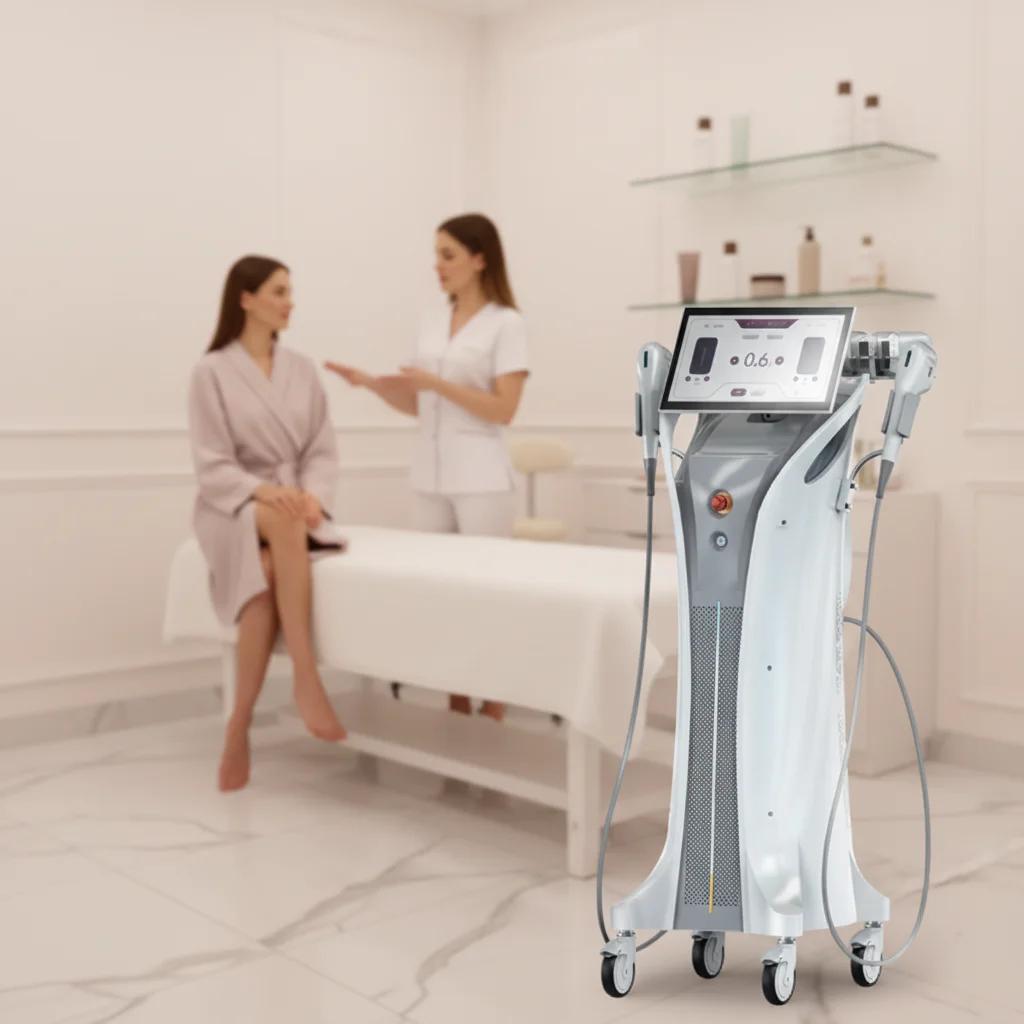
High-Intensity Focused Ultrasound, commonly known as hifu, has revolutionized non-invasive aesthetic treatments by delivering remarkable skin tightening and lifting results without surgery. However, the true potential of hifu emerges when it is strategically combined with complementary aesthetic procedures, creating synergistic effects that address multiple skin concerns simultaneously. Understanding how to combine hifu with other treatments requires careful consideration of timing, compatibility, and individual skin characteristics to achieve maximum results while maintaining safety and efficacy.
The strategic integration of hifu with other aesthetic modalities allows practitioners to create comprehensive treatment protocols that target different layers of skin tissue, address various aging mechanisms, and extend the duration of aesthetic improvements. This multi-modal approach has become increasingly popular among aesthetic professionals seeking to deliver superior outcomes for their clients. By understanding the mechanisms, timing considerations, and optimal pairings, clinicians can design personalized treatment plans that leverage the unique benefits of each modality while minimizing potential conflicts or adverse interactions.
Understanding the Foundational Mechanism of HIFU in Combination Protocols
How HIFU Technology Creates a Foundation for Multi-Modal Treatments
The therapeutic action of hifu operates through focused ultrasound energy that penetrates to specific depths within the skin and subcutaneous tissue, creating controlled thermal coagulation points. This precise energy delivery stimulates neocollagenesis and elastogenesis at the foundational layers, including the superficial muscular aponeurotic system, without damaging the surface epidermis. This deep tissue remodeling process creates an ideal foundation for combining with surface-level treatments that address different aesthetic concerns.
The thermal injury response triggered by hifu initiates a healing cascade that continues for several months following treatment, with collagen production peaking between three to six months post-procedure. This extended regenerative timeline allows for strategic layering of complementary treatments that work at different tissue depths or target alternative aging mechanisms. Understanding this biological timeline is essential when designing combination protocols that maximize synergistic benefits without overwhelming the skin's healing capacity or creating conflicting recovery demands.
Tissue Layer Targeting and Treatment Compatibility
Successful combination strategies with hifu require understanding the specific tissue layers each modality affects and ensuring complementary rather than competing mechanisms. Hifu primarily targets the deep dermis and subcutaneous layers at depths ranging from 1.5mm to 4.5mm, depending on the transducer used. This deep-tissue focus makes it inherently compatible with treatments that work at more superficial levels, such as those addressing pigmentation, fine texture irregularities, or surface vascular concerns.
The spatial separation of treatment zones allows different modalities to work simultaneously on distinct aesthetic concerns without interfering with each other's mechanisms. For example, while hifu addresses structural laxity and volumetric loss through collagen remodeling in deeper layers, superficial treatments can simultaneously improve skin quality, tone, and texture at the epidermal and upper dermal levels. This layered approach creates comprehensive rejuvenation that appears more natural and complete than single-modality treatments.
Strategic Combinations with Energy-Based Devices
Pairing HIFU with Radiofrequency Treatments
Combining hifu with radiofrequency treatments represents one of the most effective strategies for comprehensive skin rejuvenation, as these modalities work through different mechanisms at complementary tissue depths. While hifu creates focused thermal coagulation points at specific depths, radiofrequency delivers volumetric heating across broader tissue areas, typically targeting the mid-to-upper dermis. This combination addresses both structural laxity through hifu's lifting effect and skin quality improvement through radiofrequency-induced collagen remodeling.
The optimal sequencing typically involves performing hifu first to establish the foundational lifting and tightening effect at deeper tissue layers, followed by radiofrequency treatments after an appropriate interval to address surface texture, fine lines, and skin quality. Many practitioners schedule radiofrequency sessions two to four weeks following hifu treatment, allowing the initial inflammatory response to subside while capitalizing on the ongoing collagen remodeling process. This staged approach prevents excessive thermal burden on tissues while maximizing the cumulative regenerative response.
Integrating Laser Resurfacing with HIFU Protocols
Laser resurfacing technologies, whether ablative or non-ablative, offer excellent complementarity with hifu by addressing surface-level concerns that ultrasound technology cannot reach. Fractional laser treatments create microscopic treatment zones in the epidermis and superficial dermis, improving texture, reducing pigmentation irregularities, and stimulating surface-level collagen production. When combined with hifu's deep tissue effects, this creates a complete rejuvenation profile from the skin's foundation to its visible surface.
Timing considerations are critical when combining hifu with laser resurfacing procedures. Most protocols recommend separating these treatments by at least four to six weeks to allow adequate healing between procedures, particularly when using ablative laser technologies. Non-ablative fractional lasers may be integrated more closely, sometimes within two to three weeks of hifu treatment. The sequence typically begins with hifu to establish the structural foundation, followed by laser resurfacing to refine surface quality once the initial healing phase has completed.
Combining HIFU with Injectable Aesthetic Treatments
Synergistic Effects with Dermal Filler Placement
The combination of hifu with hyaluronic acid dermal fillers creates a powerful synergy that addresses both volume loss and tissue laxity, the two primary components of facial aging. Hifu provides the lifting and tightening effect by contracting existing collagen fibers and stimulating new collagen production, while fillers restore lost volume in specific anatomical areas such as cheeks, temples, and nasolabial folds. This dual approach creates more natural and longer-lasting results than either treatment alone.
Sequencing is particularly important when combining hifu with fillers to avoid displacement or uneven distribution of injected material. The preferred protocol involves performing filler injections first, allowing two to four weeks for the product to settle and integrate with surrounding tissue, then following with hifu treatment. Alternatively, some practitioners prefer performing hifu first, waiting approximately four to six weeks for the initial tightening effect to manifest, then strategically placing fillers in areas where volume restoration is still needed. Both approaches have merit, and the optimal sequence depends on individual patient anatomy and aesthetic goals.
Integrating Neuromodulators with HIFU Treatment Plans
Botulinum toxin neuromodulators and hifu serve complementary functions in comprehensive facial rejuvenation protocols. While hifu addresses structural sagging and collagen depletion through tissue tightening and regeneration, neuromodulators reduce dynamic wrinkles caused by repetitive muscle contractions. Combining these modalities creates a complete approach that addresses both gravitational aging and expression-related lines.
The timing of neuromodulator injections relative to hifu treatment requires careful consideration to avoid potential complications. Most practitioners recommend waiting at least two weeks after hifu before administering botulinum toxin injections, allowing the initial inflammatory response and any mild swelling to resolve. Conversely, if neuromodulators are administered first, practitioners typically wait at least two weeks before performing hifu to ensure the neurotoxin has fully bound to target receptors and won't be affected by the thermal energy or mechanical effects of ultrasound treatment.
Enhancing HIFU Results with Regenerative and Biostimulatory Treatments
Platelet-Rich Plasma Integration Strategies
Platelet-rich plasma therapy represents an ideal complement to hifu treatment, as both modalities stimulate natural regenerative processes within the skin. The growth factors and cytokines released from concentrated platelets in PRP enhance the collagen synthesis already initiated by hifu's thermal injury, potentially accelerating and amplifying the regenerative response. This combination has gained significant popularity for its ability to improve both the speed and magnitude of visible improvements.
The optimal timing for PRP administration in hifu combination protocols typically involves application immediately following the ultrasound treatment or within the first 24 to 48 hours post-procedure. This timing capitalizes on the initial wound healing response triggered by hifu, providing additional growth factors during the critical early phase of tissue repair. Some advanced protocols incorporate multiple PRP sessions at intervals following the initial hifu treatment, creating sustained growth factor stimulation throughout the months-long collagen remodeling process.
Biostimulatory Injectable Combinations
Biostimulatory injectables such as poly-L-lactic acid and calcium hydroxylapatite offer unique synergy with hifu by providing both immediate structural support and gradual collagen stimulation. These products work through different mechanisms than hifu, creating a scaffold that stimulates fibroblast activity and collagen production over an extended period. When combined with hifu's thermal collagen remodeling, the result is enhanced volumization and tissue quality improvement that extends beyond what either treatment achieves alone.
Protocol design for combining hifu with biostimulatory injectables typically involves careful sequencing to optimize the distinct mechanisms of each treatment. Many practitioners prefer performing hifu first to establish the lifting foundation, then introducing biostimulatory injectables four to eight weeks later once the initial tissue response has stabilized. This staged approach allows the ultrasound-induced collagen remodeling to progress without interference, then adds the gradual volumizing and biostimulatory effects of the injectable product during the ongoing regeneration phase.
Optimizing Treatment Intervals and Recovery Management
Establishing Safe Intervals Between Complementary Procedures
Determining appropriate intervals between hifu and complementary treatments is essential for maximizing results while maintaining patient safety and comfort. The thermal injury created by hifu initiates an inflammatory cascade that requires adequate time to progress through the natural healing phases before introducing additional stimuli. Rushing combination treatments can overwhelm the skin's regenerative capacity, potentially leading to suboptimal results, prolonged inflammation, or increased risk of adverse effects.
General guidelines suggest waiting a minimum of two weeks between hifu and most other energy-based treatments, with longer intervals of four to six weeks recommended for more aggressive modalities such as ablative laser resurfacing or deep chemical peels. Injectable treatments typically require shorter waiting periods, with most practitioners comfortable administering fillers or neuromodulators two to four weeks before or after hifu sessions. These intervals allow the acute inflammatory response to resolve while maintaining the ongoing collagen remodeling benefits that continue for months following ultrasound treatment.
Managing Patient Expectations and Recovery Timelines
When combining hifu with other aesthetic procedures, clear communication about cumulative recovery requirements and realistic result timelines becomes even more critical than with single-modality treatments. Patients must understand that while combination approaches offer superior comprehensive results, they may experience slightly longer overall recovery periods and a more gradual emergence of final outcomes as different treatments take effect according to their unique timelines.
The extended regenerative timeline associated with hifu means that final results from combination protocols may not fully manifest until three to six months following the complete treatment series. During this period, patients should be educated about the progression they can expect, including the initial tightening effect from hifu within the first month, followed by gradual enhancement as collagen remodeling continues and complementary treatments contribute their specific effects. Regular follow-up assessments help track progress, manage expectations, and determine if additional complementary treatments would further optimize outcomes.
FAQ
How long should I wait between hifu treatment and other aesthetic procedures?
The appropriate waiting period between hifu and other treatments varies depending on the specific modality being combined. For most energy-based devices like radiofrequency or non-ablative lasers, waiting two to four weeks is generally recommended. More aggressive treatments such as ablative laser resurfacing or deep chemical peels require longer intervals of four to six weeks. Injectable treatments including dermal fillers and neuromodulators typically need shorter waiting periods of two to four weeks either before or after hifu. These intervals allow the initial inflammatory response to resolve while maintaining the ongoing collagen remodeling benefits that continue for months following treatment.
Can hifu be performed on the same day as other facial treatments?
Same-day combination with hifu is generally not recommended for most energy-based or invasive treatments due to the risk of excessive tissue stress and potential interference between treatment mechanisms. However, certain gentle surface treatments such as light chemical peels, microdermabrasion, or LED therapy may be performed on the same day if properly sequenced and if the treating practitioner determines it is safe based on individual patient factors. Platelet-rich plasma is one of the few treatments commonly administered immediately following hifu to enhance the regenerative response. Always consult with a qualified aesthetic professional to determine the safest and most effective treatment sequencing for your specific goals.
Will combining treatments increase the risk of side effects compared to hifu alone?
When properly planned and executed with appropriate intervals, combining hifu with complementary treatments does not significantly increase the risk of serious adverse effects beyond those associated with each individual modality. However, patients may experience a cumulative increase in common temporary side effects such as redness, swelling, or sensitivity during the periods when treatments are being layered. The key to minimizing risks lies in proper sequencing, adequate healing intervals between procedures, and working with experienced practitioners who understand the interactions between different treatment modalities. Comprehensive consultation and medical history review help identify any individual factors that might increase risk when combining treatments.
How much better are the results when combining hifu with other treatments compared to hifu alone?
Clinical experience and patient satisfaction data consistently demonstrate that strategically designed combination protocols produce superior comprehensive rejuvenation compared to single-modality treatments. While hifu alone delivers significant lifting and tightening effects, adding complementary treatments that address surface texture, pigmentation, volume loss, or dynamic wrinkles creates more complete and natural-appearing results. The magnitude of improvement varies based on individual aging patterns, skin condition, and specific treatments combined, but many practitioners report that patients express higher satisfaction with combination approaches. The enhanced results reflect the ability to address multiple aging mechanisms simultaneously, creating synergistic effects that extend beyond the sum of individual treatment benefits.
Table of Contents
- Understanding the Foundational Mechanism of HIFU in Combination Protocols
- Strategic Combinations with Energy-Based Devices
- Combining HIFU with Injectable Aesthetic Treatments
- Enhancing HIFU Results with Regenerative and Biostimulatory Treatments
- Optimizing Treatment Intervals and Recovery Management
-
FAQ
- How long should I wait between hifu treatment and other aesthetic procedures?
- Can hifu be performed on the same day as other facial treatments?
- Will combining treatments increase the risk of side effects compared to hifu alone?
- How much better are the results when combining hifu with other treatments compared to hifu alone?