


 EN
EN



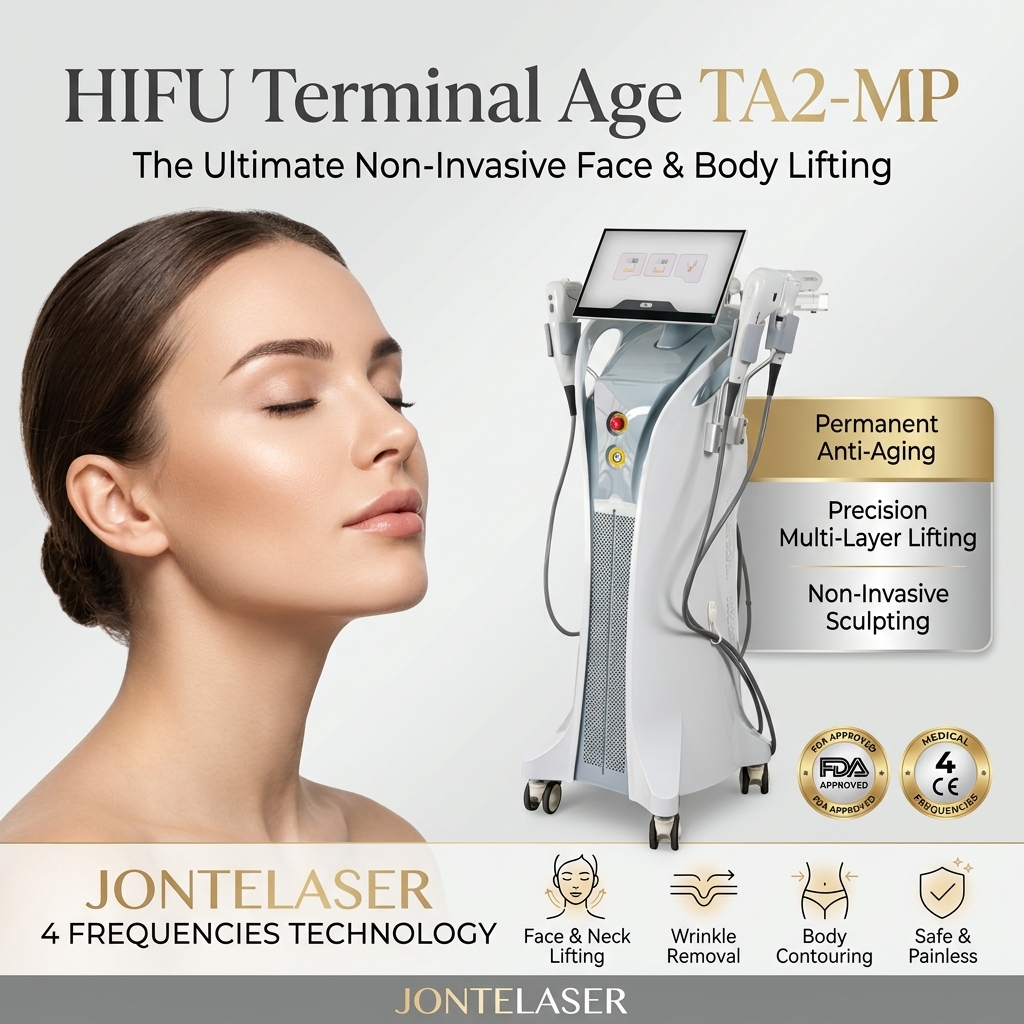
Postpartum skin changes represent one of the most common aesthetic concerns among new mothers, with stretched abdominal tissue, sagging facial contours, and loss of skin elasticity affecting confidence and self-image during a transformative life stage. Traditional approaches to postpartum skin tightening have ranged from invasive surgical procedures with extended recovery periods to topical treatments offering minimal visible results, leaving many women searching for effective middle-ground solutions. The emergence of high-intensity focused ultrasound technology has fundamentally shifted this landscape, offering a non-invasive pathway to genuine tissue remodeling without the risks, downtime, or surgical intervention that once seemed unavoidable for meaningful skin rejuvenation after childbirth.
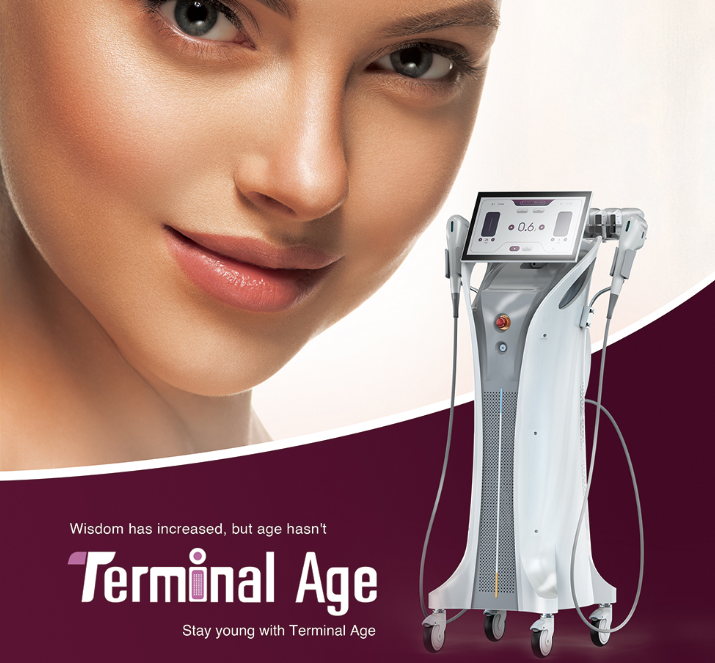
The hifu machine delivers targeted ultrasound energy to precise dermal and subdermal layers, triggering controlled thermal injury that stimulates collagen production and tissue contraction at depths unreachable by surface-level treatments. This technological capability addresses the root physiological changes that occur during pregnancy and delivery, when collagen fibers stretch and dermal architecture weakens under sustained mechanical stress and hormonal fluctuation. By initiating a wound-healing response deep within tissue layers, the hifu machine creates progressive tightening effects that mirror natural skin regeneration processes, making it uniquely suited to the specific remodeling challenges postpartum women face across facial, neck, and body treatment zones.
The Biological Foundation Behind Postpartum Skin Laxity
Collagen Degradation During Pregnancy and Birth
During pregnancy, the body undergoes profound structural adaptations as skin expands to accommodate fetal growth, particularly across the abdominal region where tissue stretches beyond normal elastic capacity over nine months. This sustained mechanical tension causes collagen fibers to separate and thin, while elevated cortisol levels associated with pregnancy further compromise collagen synthesis and cross-linking integrity. The hifu machine becomes relevant in this context because conventional healing after delivery rarely restores pre-pregnancy collagen density, leaving persistent laxity that topical products cannot penetrate deeply enough to address effectively.
Hormonal fluctuations during postpartum recovery compound these structural changes, as estrogen levels drop sharply after delivery, reducing fibroblast activity and slowing the natural collagen renewal cycle. The dermis loses volume and support capacity, resulting in visible sagging particularly noticeable in facial contours, neck tissue, and abdominal skin that bore the greatest expansion stress. Advanced hifu machine technology targets the specific dermal depths where collagen remodeling must occur, delivering focused energy that bypasses surface tissue to reach foundational layers where regeneration determines long-term tightening outcomes.
The Role of Elastin Fiber Disruption
Elastin networks, responsible for skin's snap-back capacity, experience irreversible fragmentation when stretched beyond recovery thresholds during pregnancy. Unlike collagen, which regenerates slowly through fibroblast activity, elastin production declines significantly with age and shows minimal spontaneous repair after major stretching events. The hifu machine addresses this limitation by creating thermal zones that stimulate not only collagen neogenesis but also reorganization of remaining elastin fibers into more functional configurations, improving tissue elasticity even when new elastin synthesis remains limited.
Clinical observations demonstrate that postpartum skin displays characteristic patterns of elastin disruption, particularly in areas subjected to rapid volume change such as the lower face, jawline, and anterior abdomen. These zones show diminished recoil and increased susceptibility to gravitational sagging, creating aesthetic concerns that persist years after delivery despite weight normalization. The precision energy delivery of the hifu machine enables targeted treatment of these specific anatomical areas, concentrating thermal stimulus where elastin support has degraded most significantly and where functional improvement yields the most visible cosmetic benefit.
How HIFU Technology Addresses Postpartum Tissue Changes
Depth-Targeted Energy Delivery Mechanisms
The fundamental innovation that makes the hifu machine effective for postpartum skin tightening lies in its ability to deliver focused ultrasound energy to precise tissue depths ranging from 1.5mm to 4.5mm beneath the skin surface. This depth stratification allows practitioners to target specific anatomical layers including the superficial muscular aponeurotic system and deep dermal zones where structural support originates. Unlike radiofrequency or laser technologies that heat tissue from the surface inward with gradual energy diffusion, the hifu machine creates discrete thermal injury points at predetermined depths while leaving surrounding tissue and surface layers completely unaffected.
This targeting precision proves particularly valuable for postpartum applications where skin thickness and underlying tissue composition vary significantly between treatment areas. Abdominal skin stretched during pregnancy typically requires deeper energy penetration to reach the fibrous septa and connective tissue planes that determine contour stability, while facial treatments benefit from shallower focal depths that address superficial fat compartments and dermal attachments. Modern hifu machine systems incorporate multiple transducer options, allowing practitioners to customize depth parameters based on individual tissue assessment and specific postpartum presentation patterns.
Controlled Thermal Coagulation and Collagen Response
When focused ultrasound energy from the hifu machine reaches target tissue depths, it generates temperatures between 60 and 70 degrees Celsius within microscopic focal zones, creating controlled thermal coagulation points that trigger immediate collagen fiber contraction. This initial mechanical tightening provides subtle visible improvement within the first treatment session, though the primary therapeutic benefit emerges over subsequent months as the body's wound-healing cascade activates. Thermal injury signals recruit fibroblasts to affected zones, initiating collagen synthesis that gradually increases tissue density and mechanical strength throughout the treatment area.
The timeline of collagen remodeling following hifu machine treatment aligns well with postpartum recovery patterns, as peak neocollagenesis occurs between eight and twelve weeks after energy delivery, continuing with diminishing intensity for up to six months. This progressive improvement allows new mothers to see gradual, natural-appearing enhancement rather than sudden dramatic change, avoiding the artificial appearance sometimes associated with surgical interventions. The sustained collagen production also means that hifu machine results improve over time rather than degrading immediately after treatment, offering a regenerative approach that works with the body's healing processes rather than against them.
Clinical Advantages for Postpartum Skin Rejuvenation
Non-Invasive Treatment Delivery and Recovery Profile
The complete absence of surgical incisions, tissue removal, or implant placement positions the hifu machine as an accessible option for postpartum women who cannot accommodate extended recovery periods required by surgical body contouring or facelift procedures. Treatment sessions typically last thirty to ninety minutes depending on area coverage, with patients returning immediately to normal activities including childcare responsibilities without movement restrictions, wound care protocols, or activity limitations. This practical advantage addresses one of the primary barriers preventing new mothers from pursuing aesthetic treatments: the logistical impossibility of arranging childcare during multi-week surgical recovery periods.
Side effects associated with hifu machine treatments remain minimal and transient, generally limited to temporary redness, mild swelling, or tingling sensations that resolve within hours to days after treatment. The absence of broken skin eliminates infection risk, while the non-ablative energy delivery preserves the skin barrier, allowing immediate return to regular skincare routines and cosmetic application. For breastfeeding mothers particularly, the localized nature of hifu machine energy delivery and absence of systemic medication requirements means treatments can proceed without interruption to nursing schedules or concerns about substance transfer to infants.
Precision Targeting for Multiple Anatomical Zones
Postpartum aesthetic concerns rarely limit themselves to a single anatomical area, with most women experiencing simultaneous changes across facial contours, neck tissue, and abdominal regions that each require different treatment approaches. The versatility of the hifu machine allows comprehensive addressing of these varied concerns within integrated treatment plans, using depth-specific transducers and energy parameters tailored to each zone's unique tissue characteristics. Facial treatments typically focus on brow lifting, cheek elevation, and jawline definition, addressing the volume loss and sagging that often accompany postpartum hormonal changes and sleep deprivation.
Abdominal applications of the hifu machine target the stretched tissue and separated fascial planes that persist after pregnancy even when pre-pregnancy weight returns, creating contour irregularities that resist improvement through exercise alone. The ability to deliver energy to depths reaching the fibrous connective tissue between muscle and subcutaneous fat allows the hifu machine to address structural laxity at its source, promoting tissue contraction that reduces circumference and improves skin surface smoothness. Neck treatments similarly benefit from depth-targeted energy delivery, addressing both superficial skin laxity and deeper platysmal banding that contribute to aged appearance and vertical neck lines that often become more prominent after pregnancy.
Treatment Protocol Considerations for Postpartum Patients
Timing Recommendations Relative to Delivery
Medical consensus suggests waiting a minimum of three to six months after delivery before initiating hifu machine treatments, allowing the body to complete initial postpartum healing processes and hormonal stabilization. This waiting period proves particularly important for women who experienced cesarean delivery, where abdominal fascia and muscle require adequate time to heal before exposure to deep thermal energy. The hifu machine protocol development should also consider whether the patient is breastfeeding, though the localized nature of treatment and absence of systemic effects generally permit treatments during nursing without interruption to feeding schedules.
Weight stability represents another critical timing consideration, as ongoing significant weight fluctuation can compromise hifu machine results by introducing new mechanical stress to recently tightened tissue. Practitioners typically recommend that patients reach and maintain a stable weight within ten pounds of their goal before investing in treatment, ensuring that tissue improvements achieved through collagen remodeling are not subsequently undermined by volume changes. This timing guidance aligns well with natural postpartum recovery patterns, as most women achieve relative weight stabilization within the same three-to-six-month timeframe recommended for general healing before hifu machine intervention.
Treatment Session Structuring and Maintenance Planning
Initial hifu machine protocols for postpartum skin tightening typically involve a single comprehensive treatment session addressing all identified concern areas, with assessment of results occurring at three-month intervals as collagen remodeling progresses. Some patients achieve satisfactory outcomes from this single intervention, while others benefit from secondary treatments targeting specific zones that showed incomplete response or addressing additional concerns that became apparent as overall tissue quality improved. The decision to proceed with additional hifu machine sessions depends on individual response patterns, baseline severity of laxity, and patient expectations regarding degree of improvement.
Long-term maintenance strategies recognize that the hifu machine initiates tissue remodeling rather than creating permanent structural change, meaning results gradually diminish as natural aging processes continue and newly formed collagen eventually degrades. Most practitioners recommend reassessment annually following initial treatment, with maintenance sessions typically scheduled every twelve to eighteen months to sustain achieved improvements. This maintenance interval proves considerably longer than injectable treatments requiring quarterly repetition, offering postpartum women a time-efficient approach to sustained aesthetic improvement that accommodates busy parenting schedules and minimizes cumulative treatment burden over time.
Realistic Outcome Expectations and Limitations
Degree of Improvement Achievable Through Non-Invasive Intervention
While the hifu machine delivers measurable tissue tightening and visible contour improvement, setting appropriate expectations requires honest acknowledgment that non-invasive technologies cannot replicate the dramatic transformation achievable through surgical intervention. Patients with severe skin redundancy, particularly those who experienced significant weight gain during pregnancy or who have substantial genetic predisposition to skin laxity, may find that hifu machine results, though genuine, fall short of their aesthetic goals. The technology works best for mild to moderate laxity where sufficient tissue elasticity remains to respond to collagen remodeling stimulus, rather than cases where excess skin volume requires physical removal for satisfactory correction.
Quantitative studies measuring skin tightening after hifu machine treatment document average improvements ranging from fifteen to thirty percent in objective tissue firmness measurements, with subjective patient satisfaction correlating closely with pre-treatment expectation alignment. Practitioners who excel in postpartum hifu machine applications invest significant time in consultation processes, using visual aids and previous patient examples to calibrate expectations realistically. This counseling process helps patients understand that the hifu machine offers meaningful improvement occupying a middle ground between ineffective topical treatments and surgical procedures, representing an appropriate intervention level for many postpartum presentations while acknowledging its limitations for advanced cases.
Individual Variable Response Factors
Response to hifu machine treatment varies significantly based on individual factors including age, skin quality, genetic collagen production capacity, and lifestyle elements affecting tissue health. Younger postpartum women, particularly those in their twenties and early thirties, generally demonstrate more robust collagen synthesis following thermal stimulus, translating to more pronounced tightening effects and longer result durability. Conversely, women who delay childbearing into their late thirties and forties face the compounded challenge of addressing both pregnancy-related tissue changes and age-related collagen decline, potentially limiting the degree of improvement achievable through the hifu machine alone.
Lifestyle factors including smoking, sun exposure history, nutritional status, and hydration levels significantly influence postpartum hifu machine outcomes by affecting baseline tissue health and regenerative capacity. Patients who maintain healthy lifestyle practices, protect skin from ultraviolet damage, and support collagen synthesis through adequate protein intake and micronutrient sufficiency typically achieve superior results compared to those with compromised tissue health. Genetic factors affecting collagen density and skin thickness also play determinative roles, with some individuals simply possessing more favorable tissue characteristics for responding to regenerative stimulus delivered by the hifu machine regardless of environmental or behavioral variables.
FAQ
How long after giving birth can I safely receive hifu machine treatment?
Most practitioners recommend waiting at least three to six months after delivery before undergoing hifu machine treatment, allowing your body to complete initial postpartum healing and achieve hormonal stabilization. If you delivered via cesarean section, ensuring complete abdominal incision healing is particularly important before deep tissue treatments. You should also reach a stable weight within ten pounds of your goal, as ongoing significant weight changes can affect treatment results. Breastfeeding mothers can generally proceed with hifu machine treatments since the energy delivery is localized and does not involve systemic medications, though discussing your specific situation with your treating practitioner ensures personalized timing recommendations.
Can the hifu machine eliminate diastasis recti or only address skin laxity?
The hifu machine primarily addresses skin laxity and superficial tissue tightening rather than correcting diastasis recti, which involves separation of the rectus abdominis muscles along the linea alba. While the deep energy penetration of the hifu machine can stimulate some connective tissue tightening in fascial planes, it cannot physically bring separated muscle bellies back together in cases of significant diastasis. For women with both muscle separation and skin laxity, the hifu machine may improve the overlying skin appearance and provide some fascial tightening, but surgical repair through abdominoplasty remains the definitive treatment for substantial diastasis recti. Combining targeted core rehabilitation exercises with hifu machine skin tightening often provides the most comprehensive non-surgical approach for postpartum abdominal concerns.
How does the hifu machine compare to radiofrequency treatments for postpartum skin tightening?
The hifu machine differs fundamentally from radiofrequency technologies in its energy delivery mechanism and tissue interaction depth. While radiofrequency devices heat tissue from the surface inward through resistive heating, creating gradual thermal effects in superficial to mid-dermal layers, the hifu machine delivers focused ultrasound energy to precise depths up to 4.5mm beneath the skin surface, bypassing superficial tissue entirely. This depth capability allows the hifu machine to target structural support layers including the superficial muscular aponeurotic system that radiofrequency cannot effectively reach. For postpartum applications requiring deeper tissue remodeling, particularly in abdominal and neck regions, the hifu machine typically provides more substantial structural tightening, while radiofrequency may offer advantages for very superficial skin texture improvement and can sometimes be combined with hifu machine treatments for comprehensive results.
Will I need repeated hifu machine treatments to maintain postpartum skin tightening results?
The hifu machine initiates a collagen remodeling process that continues developing for three to six months after treatment, with results typically lasting twelve to eighteen months before natural aging processes gradually diminish achieved improvements. Most postpartum patients benefit from maintenance treatments approximately annually or every eighteen months to sustain their results, though individual timelines vary based on factors including age, skin quality, lifestyle habits, and genetic collagen production rates. This maintenance interval proves considerably longer than injectable treatments requiring quarterly repetition, making the hifu machine a relatively time-efficient option for busy mothers. Some patients find that their initial improvement satisfies their aesthetic goals without maintenance, while others incorporate periodic hifu machine sessions into long-term skincare routines to continuously support tissue quality as they age beyond the postpartum period.
Table of Contents
- The Biological Foundation Behind Postpartum Skin Laxity
- How HIFU Technology Addresses Postpartum Tissue Changes
- Clinical Advantages for Postpartum Skin Rejuvenation
- Treatment Protocol Considerations for Postpartum Patients
- Realistic Outcome Expectations and Limitations
-
FAQ
- How long after giving birth can I safely receive hifu machine treatment?
- Can the hifu machine eliminate diastasis recti or only address skin laxity?
- How does the hifu machine compare to radiofrequency treatments for postpartum skin tightening?
- Will I need repeated hifu machine treatments to maintain postpartum skin tightening results?