


 EN
EN


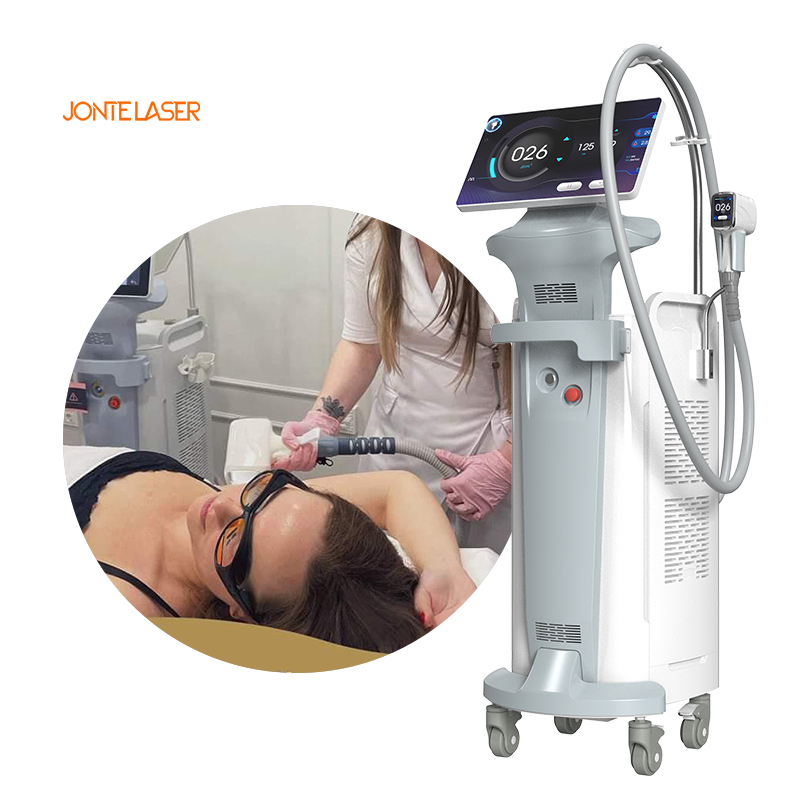
Selecting the optimal laser hair removal device for high-volume aesthetic centers requires careful evaluation of multiple technical and operational factors that directly impact treatment efficiency, client satisfaction, and long-term profitability. The decision becomes even more critical when your facility handles dozens of clients daily, as equipment reliability, treatment speed, and maintenance requirements can make or break your operational success. Understanding the key selection criteria ensures your investment delivers consistent results while supporting your center's growth trajectory.
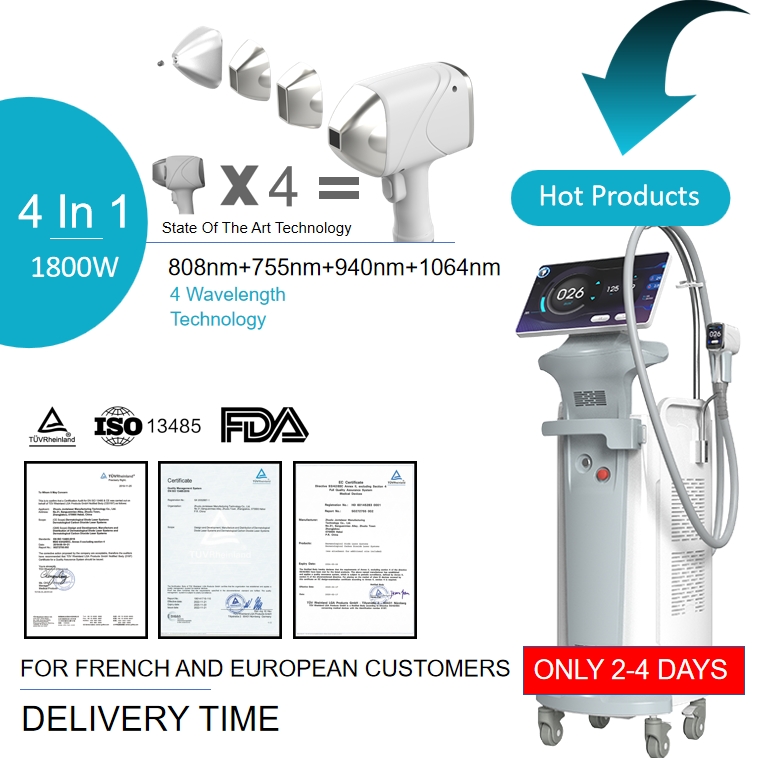
High-volume aesthetic centers face unique challenges that differentiate their equipment needs from smaller practices or individual practitioners. The continuous operation demands, diverse client demographics, and revenue targets require a laser hair removal device that balances performance with durability. The right selection process involves analyzing power output capabilities, wavelength options, cooling systems, and operational efficiency metrics that align with your facility's specific volume requirements and treatment protocols.
Understanding Power Requirements for High-Volume Operations
Evaluating Power Output Capabilities
The power output of a laser hair removal device directly correlates with treatment effectiveness and session duration, making it a primary consideration for high-volume centers. Professional-grade devices typically range from 600W to 3000W, with higher wattage enabling faster treatment cycles and more efficient hair follicle destruction. When evaluating power requirements, consider that higher-powered units can treat larger surface areas more quickly, reducing per-client treatment time and increasing daily throughput capacity.
For centers processing 30 or more clients daily, devices with power outputs of 1200W or higher often prove most cost-effective in the long term. The increased power allows practitioners to complete full-body treatments in shorter timeframes while maintaining clinical efficacy. However, power selection must balance speed requirements with energy consumption costs and cooling system demands that support sustained high-power operation throughout extended business hours.
Consider the relationship between power output and treatment versatility when selecting your laser hair removal device. Higher-powered systems often provide better results across diverse skin types and hair characteristics, reducing the need for multiple treatment sessions and improving client satisfaction rates. This versatility becomes particularly valuable in high-volume settings where client diversity requires equipment that performs consistently across various treatment scenarios.
Analyzing Duty Cycle and Operational Endurance
The duty cycle represents the percentage of time a laser hair removal device can operate at full power without requiring cooling breaks or performance degradation. High-volume centers require equipment with duty cycles approaching 100% to maintain continuous operation during peak business hours. Devices with insufficient duty cycles create bottlenecks that reduce daily treatment capacity and negatively impact revenue potential.
Professional laser systems designed for high-volume applications typically feature advanced cooling systems that maintain consistent power output throughout extended operation periods. These systems incorporate multiple cooling mechanisms, including contact cooling, air cooling, and sometimes cryogenic cooling, to prevent overheating and ensure consistent treatment parameters. When evaluating duty cycle specifications, request detailed performance data showing power stability over extended operation periods.
Operational endurance also encompasses the device's ability to maintain calibrated settings and consistent beam quality during continuous use. High-quality laser hair removal devices include sophisticated monitoring systems that track performance metrics and alert operators to any deviations from optimal parameters. This monitoring capability prevents treatment quality degradation and reduces the risk of inconsistent results that could damage your center's reputation.
Wavelength Selection and Treatment Versatility
Multi-Wavelength System Advantages
Modern laser hair removal devices often incorporate multiple wavelengths, typically including 755nm, 808nm, 940nm, and 1064nm options, each optimized for different skin types and hair characteristics. This multi-wavelength capability becomes essential for high-volume centers serving diverse client populations with varying skin tones, hair colors, and treatment requirements. The ability to adjust wavelength selection based on individual client needs eliminates the need for multiple specialized devices.
The 755nm wavelength proves most effective for lighter skin tones with fine to medium hair, offering excellent melanin absorption and treatment efficacy. The 808nm wavelength serves as a versatile option suitable for most skin types and hair characteristics, making it the primary choice for many treatments. The 940nm wavelength provides deeper penetration for coarse hair removal, while the 1064nm wavelength safely treats darker skin tones with reduced risk of pigmentation complications.
When selecting a laser hair removal device with multiple wavelengths, ensure the system allows rapid wavelength switching without significant downtime between treatments. Some advanced systems feature programmable treatment protocols that automatically adjust wavelength, power, and pulse duration based on predetermined client profiles, streamlining the treatment process and reducing operator training requirements.
Spot Size Flexibility and Treatment Efficiency
The spot size, or treatment window size, significantly impacts treatment efficiency and coverage area per pulse, making it a crucial factor for high-volume operations. Larger spot sizes enable faster coverage of extensive treatment areas like legs and backs, while smaller spot sizes provide precision for facial treatments and detailed work around sensitive areas. Replaceable spot size options offer the flexibility to optimize treatment protocols for different body areas and client needs.
Professional laser hair removal devices typically offer spot sizes ranging from 12mm x 12mm for precision work up to 22mm x 35mm for large area coverage. The ability to quickly change spot sizes during treatment sessions allows practitioners to maximize efficiency while maintaining treatment quality. Consider devices that feature tool-free spot size changes and clear size indicators to minimize changeover time and reduce the potential for operator error.
Evaluate the relationship between spot size and power distribution to ensure consistent energy delivery across the entire treatment window. High-quality devices maintain uniform energy distribution regardless of spot size, preventing hot spots that could cause discomfort or inconsistent results. This uniformity becomes particularly important in high-volume settings where treatment consistency directly impacts client satisfaction and retention rates.
Cooling Systems and Client Comfort Considerations
Advanced Cooling Technology Integration
Effective cooling systems represent a critical component of professional laser hair removal devices, directly impacting client comfort, treatment safety, and session efficiency. High-volume centers require cooling systems that provide consistent temperature control throughout extended treatment sessions while minimizing client discomfort and reducing the need for topical anesthetics. Advanced cooling technologies include contact cooling, cryogen spray cooling, and integrated air cooling systems.
Contact cooling systems maintain direct skin contact with temperature-controlled surfaces, providing continuous cooling before, during, and after laser pulse delivery. This continuous cooling approach enhances client comfort while protecting the epidermis from thermal damage. Cryogen spray cooling delivers precise bursts of cooling agent immediately before laser activation, offering excellent thermal protection for sensitive skin types and high-energy treatments.
When evaluating cooling systems for your laser hair removal device, consider the maintenance requirements and operational costs associated with each technology. Some cooling systems require regular coolant refills or filter replacements that add to operational expenses and maintenance schedules. Choose systems that balance cooling effectiveness with minimal maintenance requirements to ensure consistent availability during peak business periods.
Pain Management and Treatment Speed Balance
The relationship between cooling effectiveness and treatment speed significantly impacts high-volume center operations, as inadequate cooling may require slower treatment protocols or additional comfort measures that reduce daily throughput capacity. Effective cooling systems enable practitioners to use higher energy settings and faster repetition rates without compromising client comfort, directly improving treatment efficiency and center profitability.
Advanced laser hair removal devices incorporate intelligent cooling controls that automatically adjust cooling intensity based on treatment parameters, skin temperature, and practitioner settings. This automated cooling adjustment reduces operator workload while ensuring consistent comfort levels throughout treatment sessions. The ability to customize cooling protocols for different treatment areas and client sensitivities provides flexibility for diverse client needs.
Consider the cooling system's impact on overall treatment experience when selecting equipment for high-volume operations. Clients who experience comfortable treatments are more likely to complete full treatment series and recommend services to others, contributing to center growth and reputation. The cooling system quality often differentiates premium professional devices from entry-level alternatives, making it a worthwhile investment for centers focused on client satisfaction.
Regulatory Compliance and Safety Standards
FDA and International Certification Requirements
Regulatory compliance represents a fundamental requirement for laser hair removal devices used in commercial aesthetic centers, with FDA approval ensuring equipment meets safety and efficacy standards for professional use. High-volume centers must verify that selected devices hold appropriate certifications for their jurisdiction, including FDA clearance for the United States, CE marking for European markets, and relevant approvals for other international markets where applicable.
The certification process involves rigorous testing of device safety systems, treatment efficacy, and operational parameters, providing assurance that equipment performs consistently within established safety margins. When evaluating laser hair removal device options, request documentation of all relevant certifications and verify certification status through official regulatory databases. This verification protects your center from liability issues and ensures compliance with professional practice standards.
Consider the certification scope when selecting equipment, as some devices may be approved for specific treatment parameters or client populations. Comprehensive certifications that cover multiple wavelengths, power levels, and treatment protocols provide greater operational flexibility for high-volume centers serving diverse client needs. The certification documentation should clearly outline approved uses, contraindications, and safety protocols for professional implementation.
Built-in Safety Features and Risk Management
Professional laser hair removal devices incorporate multiple safety systems designed to prevent operator error, equipment malfunction, and treatment complications that could impact client safety and center operations. High-volume centers require equipment with comprehensive safety features that protect both clients and operators while minimizing the risk of treatment interruptions or adverse events that could affect center reputation.
Essential safety features include skin type sensors that verify appropriate treatment parameters for individual clients, temperature monitoring systems that prevent overheating, and automatic shutoff mechanisms that activate if unsafe conditions are detected. Some advanced systems feature biometric locks or access controls that restrict device operation to trained and authorized personnel, reducing liability risks associated with improper use.
Evaluate the device's documentation and training requirements to ensure your staff can properly implement all safety protocols. High-quality laser hair removal device manufacturers provide comprehensive training programs, detailed operation manuals, and ongoing technical support to ensure safe and effective equipment use. The availability of manufacturer support becomes particularly important for high-volume centers where equipment downtime directly impacts revenue and client satisfaction.
Maintenance Requirements and Long-term Operational Costs
Preventive Maintenance Scheduling and Requirements
The maintenance requirements of a laser hair removal device significantly impact the total cost of ownership and operational reliability for high-volume aesthetic centers. Professional-grade devices typically require regular calibration, component replacement, and performance verification to maintain optimal treatment parameters and safety compliance. Understanding maintenance schedules and costs helps centers budget appropriately and plan for operational continuity.
Routine maintenance tasks often include laser cavity cleaning, cooling system servicing, optical component inspection, and software updates that ensure continued performance and regulatory compliance. High-quality devices feature user-accessible maintenance procedures for basic cleaning and minor adjustments, while complex calibration and component replacement typically require factory-trained technicians. The frequency and complexity of maintenance requirements vary significantly between manufacturers and device designs.
When evaluating maintenance requirements, consider the availability of local service support and the average response time for maintenance calls. High-volume centers cannot afford extended downtime waiting for service technicians or replacement parts. Choose manufacturers that maintain comprehensive service networks and stock common replacement components in regional service centers to minimize maintenance-related disruptions to your treatment schedule.
Component Longevity and Replacement Costs
The longevity of key components, particularly laser diodes and cooling systems, directly impacts the long-term operational costs of laser hair removal devices. High-quality components typically provide hundreds of thousands or even millions of pulses before requiring replacement, while lower-quality alternatives may need replacement after significantly fewer treatment cycles. Understanding component lifespan helps centers calculate per-treatment costs and plan for major component replacements.
Laser diode replacement represents the most significant component cost for most laser hair removal devices, often ranging from several thousand to tens of thousands of dollars depending on device design and power output. When evaluating equipment options, request detailed information about diode lifespan, replacement costs, and replacement procedures. Some manufacturers offer diode protection programs or extended warranties that reduce replacement cost risks for high-volume operators.
Consider the availability and cost of consumable items such as treatment tips, cooling consumables, and protective equipment required for device operation. High-volume centers consume significant quantities of disposable items, making the cost and availability of these supplies an important factor in equipment selection. Choose systems with readily available consumables from multiple suppliers to avoid supply chain disruptions and maintain competitive consumable costs.
FAQ
What power level is most appropriate for a high-volume aesthetic center?
High-volume aesthetic centers typically benefit from laser hair removal devices with power outputs of 1200W or higher, as this enables faster treatment cycles and improved daily throughput capacity. The optimal power level depends on your client volume, treatment area focus, and operational hours, but higher-powered systems generally provide better efficiency for centers treating 30 or more clients daily while maintaining consistent treatment quality across diverse skin types.
How important is multi-wavelength capability for commercial operations?
Multi-wavelength capability proves essential for high-volume centers serving diverse client populations, as different wavelengths optimize treatment safety and effectiveness for various skin tones and hair characteristics. Systems offering 755nm, 808nm, 940nm, and 1064nm wavelengths provide the flexibility to treat all skin types safely and effectively, eliminating the need for multiple specialized devices and ensuring consistent results across your entire client base.
What maintenance costs should I budget for a professional laser hair removal device?
Annual maintenance costs typically range from 10% to 20% of the device purchase price, including routine servicing, calibration, and component replacements. High-volume centers should budget for laser diode replacement every 2-5 years depending on usage intensity, with replacement costs ranging from $5,000 to $25,000. Regular preventive maintenance, consumable supplies, and service contracts add additional ongoing expenses that vary by manufacturer and usage patterns.
How do I ensure regulatory compliance when selecting laser equipment?
Verify that any laser hair removal device holds appropriate regulatory approvals for your jurisdiction, including FDA clearance for US operations, CE marking for European markets, and relevant certifications for other regions. Request official certification documentation, verify approval status through regulatory databases, and ensure the certification scope covers your intended treatment protocols and client populations. Choose manufacturers with established regulatory track records and comprehensive compliance support programs.