


 EN
EN



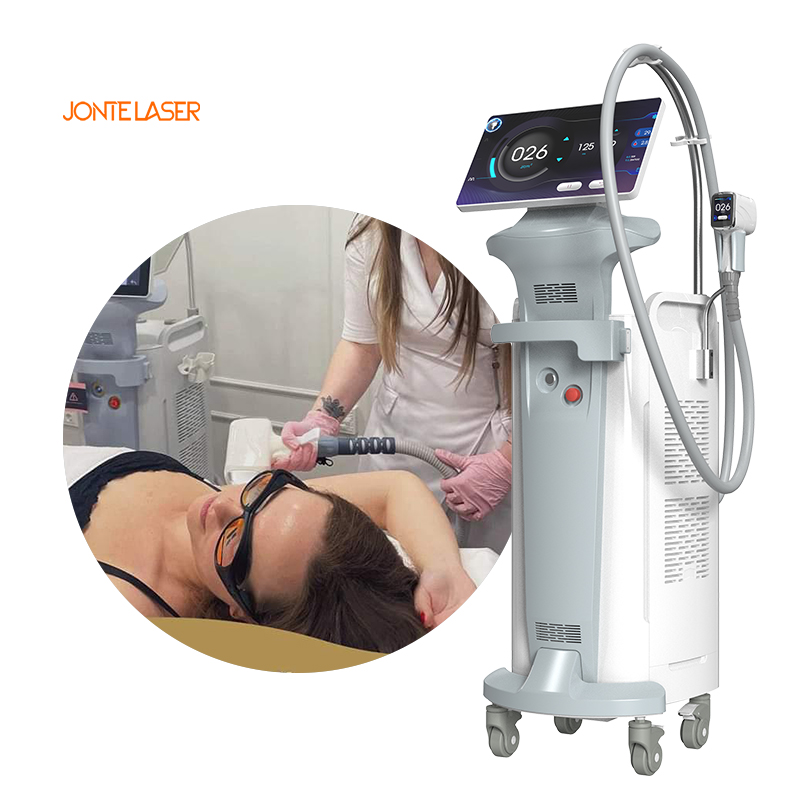
Laser hair removal has become one of the most popular cosmetic procedures worldwide, with millions of treatments performed annually. However, the intense heat generated during laser hair removal procedures presents significant safety and comfort challenges that directly impact patient outcomes and clinic reputation. Understanding why laser hair removal machine cooling systems are absolutely essential reveals the critical role these systems play in protecting patients from thermal injury while ensuring treatment effectiveness and patient satisfaction.
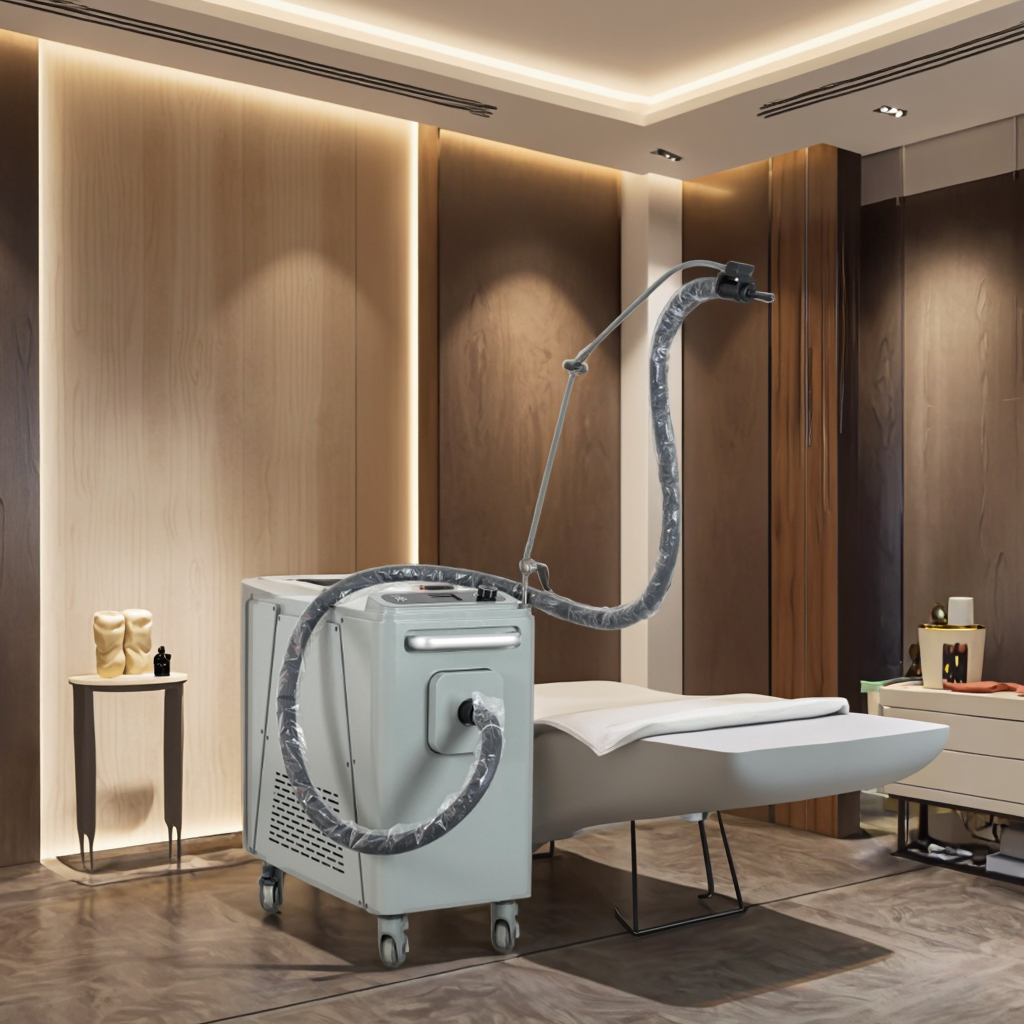
The fundamental physics of laser hair removal involves delivering concentrated light energy to hair follicles, converting light into heat to destroy follicular structures. This process inevitably generates substantial thermal energy that affects surrounding skin tissue, making advanced cooling systems not just beneficial but medically necessary. Without proper thermal management, patients face serious risks including burns, hyperpigmentation, scarring, and severe discomfort that can lead to treatment discontinuation and potential litigation for aesthetic clinics.
The Critical Safety Functions of Cooling Systems
Preventing Thermal Injury and Burns
The primary safety function of laser hair removal machine cooling systems centers on preventing thermal injury to the epidermis and surrounding dermal tissues. During laser treatments, temperatures can reach dangerous levels that cause immediate tissue damage if not properly controlled. Advanced cooling systems maintain skin temperature within safe parameters by continuously removing excess heat before it can cause cellular damage or patient discomfort.
Modern laser hair removal machine cooling systems utilize various mechanisms including contact cooling, cryogen spray cooling, and cold air systems to achieve rapid thermal dissipation. These systems work by creating a temperature gradient that draws heat away from treated areas, preventing the accumulation of thermal energy that leads to burns. Without these protective measures, even experienced practitioners cannot safely deliver the energy levels necessary for effective hair follicle destruction.
Protecting Different Skin Types and Sensitivities
Different skin types respond differently to laser energy and heat exposure, making cooling systems essential for safe treatment across diverse patient populations. Darker skin types absorb more laser energy in the epidermis, increasing burn risk and requiring more aggressive cooling protocols. Laser hair removal machine cooling systems must be calibrated to provide appropriate protection based on individual patient characteristics including skin type, hair color, and thermal sensitivity.
Patients with sensitive skin conditions, thin skin, or compromised barrier function require enhanced cooling protection to prevent adverse reactions. Professional cooling systems allow practitioners to adjust cooling intensity and duration to match specific patient needs, ensuring safe treatment delivery regardless of individual skin characteristics. This adaptability is crucial for maintaining safety standards across all patient demographics served by aesthetic practices.
Enabling Safe Energy Delivery Levels
Effective laser hair removal requires delivering sufficient energy to permanently damage hair follicles while avoiding excessive thermal damage to surrounding tissues. Cooling systems enable practitioners to use higher energy settings safely by providing thermal protection that would otherwise be impossible. This capability is essential because insufficient energy levels result in treatment failure, while excessive energy without proper cooling causes serious injuries.
The relationship between energy delivery and cooling effectiveness directly impacts treatment outcomes and safety margins. laser hair removal machine cooling systems create the thermal protection necessary to achieve optimal energy parameters while maintaining patient safety throughout the entire treatment session.
Enhanced Patient Comfort and Treatment Compliance
Pain Reduction and Sensory Management
Patient comfort during laser hair removal treatments depends heavily on effective thermal management and pain control provided by cooling systems. The intense heat generated during laser pulses creates significant discomfort that can make treatments unbearable without proper cooling. Advanced cooling systems provide immediate pain relief by numbing nerve endings and reducing thermal sensation that would otherwise cause significant distress.
Cooling systems work through multiple mechanisms to enhance comfort including direct thermal numbing, vasoconstriction that reduces inflammation, and distraction of pain signals through cold sensation. These physiological responses combine to create a more tolerable treatment experience that encourages patients to complete their full treatment series. The improved comfort provided by professional laser hair removal machine cooling systems directly correlates with higher patient satisfaction scores and better treatment outcomes.
Reducing Treatment Anxiety and Fear
Many patients approach laser hair removal with significant anxiety about pain and potential complications, making comfort measures essential for successful treatment delivery. Effective cooling systems reduce treatment-related fear by providing immediate evidence of thermal protection and pain management. This reassurance helps patients relax during treatments, improving cooperation and enabling more thorough treatment coverage.
The psychological benefits of cooling systems extend beyond immediate comfort to include increased confidence in treatment safety and provider competence. Patients who experience effective cooling during initial treatments are more likely to complete their full treatment series and recommend services to others, directly impacting clinic success and reputation. Professional laser hair removal machine cooling systems serve as both safety devices and patient confidence builders.
Improving Treatment Efficiency and Thoroughness
Comfortable patients enable more efficient and thorough treatment delivery by reducing movement, flinching, and resistance during procedures. When patients experience minimal discomfort thanks to effective cooling, practitioners can work more quickly and systematically to ensure complete treatment coverage. This efficiency benefits both patient experience and clinic productivity while maintaining high safety standards.
Cooling systems also enable treatment of sensitive areas that would otherwise be difficult or impossible to treat effectively. Areas such as the face, bikini line, and underarms require enhanced cooling protection to maintain patient comfort and cooperation. Advanced cooling capabilities expand treatment possibilities and improve overall service offerings for aesthetic practices.
Technical Performance and Treatment Effectiveness
Enabling Optimal Energy Parameters
The effectiveness of laser hair removal depends on delivering precise energy parameters that permanently damage hair follicles while protecting surrounding tissues. Cooling systems enable practitioners to use optimal energy settings by providing the thermal protection necessary to prevent epidermal damage. Without adequate cooling, energy levels must be reduced to unsafe parameters that compromise treatment effectiveness and require additional sessions.
Professional laser hair removal machine cooling systems allow for precise control over thermal management, enabling customized treatment protocols based on individual patient needs and hair characteristics. This precision is essential for achieving consistent results across different hair types, skin tones, and body areas. The ability to maintain optimal energy parameters through effective cooling directly impacts treatment success rates and patient satisfaction.
Maintaining Equipment Performance and Longevity
Laser systems generate substantial heat that can damage sensitive optical components and reduce equipment lifespan if not properly managed. Cooling systems protect laser components by maintaining optimal operating temperatures and preventing thermal stress that leads to equipment failures. This protection is essential for maintaining consistent laser output and avoiding costly repairs or premature equipment replacement.
The thermal management provided by cooling systems also ensures consistent laser performance throughout treatment sessions, preventing power fluctuations that compromise treatment effectiveness. Stable laser performance enabled by effective cooling systems directly translates to better treatment outcomes and reduced need for touch-up sessions. This consistency is crucial for maintaining professional standards and patient satisfaction in aesthetic practices.
Supporting Advanced Treatment Protocols
Modern laser hair removal techniques often involve rapid pulse sequences, high repetition rates, and advanced energy delivery patterns that generate significant heat accumulation. These sophisticated treatment protocols require equally advanced cooling systems to maintain safety and effectiveness. Professional laser hair removal machine cooling systems enable the use of cutting-edge treatment techniques that improve results while maintaining patient safety.
The integration between laser systems and cooling technology continues to advance, with newer systems providing synchronized cooling that precisely matches laser pulse timing and energy delivery. This coordination optimizes both safety and effectiveness by providing cooling exactly when and where it is needed most. Such advanced integration represents the future of laser hair removal technology and demonstrates the critical importance of sophisticated cooling systems.
Clinical Standards and Regulatory Compliance
Meeting Medical Device Safety Requirements
Regulatory agencies worldwide have established strict safety requirements for laser hair removal equipment, with cooling systems playing a central role in compliance standards. These regulations recognize the critical importance of thermal protection in preventing patient injuries and ensuring safe treatment delivery. Medical device manufacturers must demonstrate that their cooling systems meet stringent performance criteria before receiving regulatory approval.
Professional laser hair removal machine cooling systems must undergo extensive testing to verify their ability to prevent thermal injury under various operating conditions. This testing includes temperature monitoring, thermal distribution analysis, and safety margin verification to ensure reliable protection across different treatment scenarios. Compliance with these standards is essential for legal operation in most jurisdictions and provides assurance of system reliability and safety.
Supporting Professional Practice Standards
Professional medical and aesthetic organizations have established treatment protocols that emphasize the importance of adequate cooling systems for safe laser hair removal procedures. These standards require practitioners to use appropriate thermal protection and maintain equipment that meets professional performance criteria. Following these guidelines protects both patients and practitioners while supporting the professional credibility of aesthetic practices.
Training programs for laser hair removal practitioners extensively cover the proper use and maintenance of cooling systems as essential safety components. This education emphasizes that cooling systems are not optional accessories but critical safety devices that must be properly functioning for every treatment. Professional certification often requires demonstration of cooling system knowledge and proper usage techniques.
Liability Protection and Risk Management
From a legal and insurance perspective, using professional-grade cooling systems provides essential liability protection for aesthetic practices. Insurance carriers often require the use of approved cooling systems as a condition of coverage, recognizing their importance in preventing patient injuries and related claims. Proper cooling system documentation also supports legal protection in the unlikely event of patient complications or disputes.
Risk management protocols for laser hair removal practices invariably include cooling system maintenance, calibration, and performance verification as essential components. These protocols recognize that cooling system failures can lead to serious patient injuries and significant legal and financial consequences. Maintaining professional-grade laser hair removal machine cooling systems represents sound business practice as well as essential patient care.
FAQ
How do laser hair removal machine cooling systems actually work to protect patients?
Laser hair removal machine cooling systems work through several mechanisms to protect patients from thermal injury. Contact cooling systems use chilled surfaces that directly absorb heat from the skin, while cryogen spray systems provide rapid evaporative cooling at the moment of laser pulse delivery. Cold air systems create continuous cooling airflow that removes heat from treated areas. These systems work by creating temperature gradients that draw excess thermal energy away from the skin before it can cause damage, while also providing numbing effects that reduce pain sensation during treatment.
What happens if laser hair removal is performed without proper cooling systems?
Performing laser hair removal without adequate cooling systems can result in serious patient injuries including first and second-degree burns, permanent scarring, hyperpigmentation, and severe pain that may require medical treatment. Without proper thermal protection, practitioners cannot safely deliver the energy levels necessary for effective hair removal, leading to either treatment failure or patient injury. Additionally, the lack of cooling makes treatments extremely uncomfortable, often causing patients to discontinue treatment and potentially leading to legal liability for the practice.
Are all cooling systems equally effective for different skin types and treatment areas?
No, different cooling systems and settings are required for optimal safety and comfort across various skin types and body areas. Darker skin types require more aggressive cooling due to increased epidermal absorption of laser energy, while sensitive areas like the face and bikini line need enhanced cooling for patient comfort. Professional laser hair removal machine cooling systems offer adjustable settings and different cooling modes to accommodate these variations, ensuring appropriate protection for each individual patient and treatment scenario.
How do cooling systems impact the overall effectiveness of laser hair removal treatments?
Cooling systems significantly enhance laser hair removal effectiveness by enabling the use of optimal energy parameters that permanently damage hair follicles while protecting surrounding skin. Without adequate cooling, energy levels must be reduced to prevent injury, which compromises treatment effectiveness and may require additional sessions. Effective cooling also improves patient comfort and cooperation, allowing for more thorough treatment coverage and better overall results. The thermal protection provided by professional cooling systems is essential for achieving the energy levels necessary for permanent hair reduction while maintaining patient safety.
Table of Contents
- The Critical Safety Functions of Cooling Systems
- Enhanced Patient Comfort and Treatment Compliance
- Technical Performance and Treatment Effectiveness
- Clinical Standards and Regulatory Compliance
-
FAQ
- How do laser hair removal machine cooling systems actually work to protect patients?
- What happens if laser hair removal is performed without proper cooling systems?
- Are all cooling systems equally effective for different skin types and treatment areas?
- How do cooling systems impact the overall effectiveness of laser hair removal treatments?