


 EN
EN



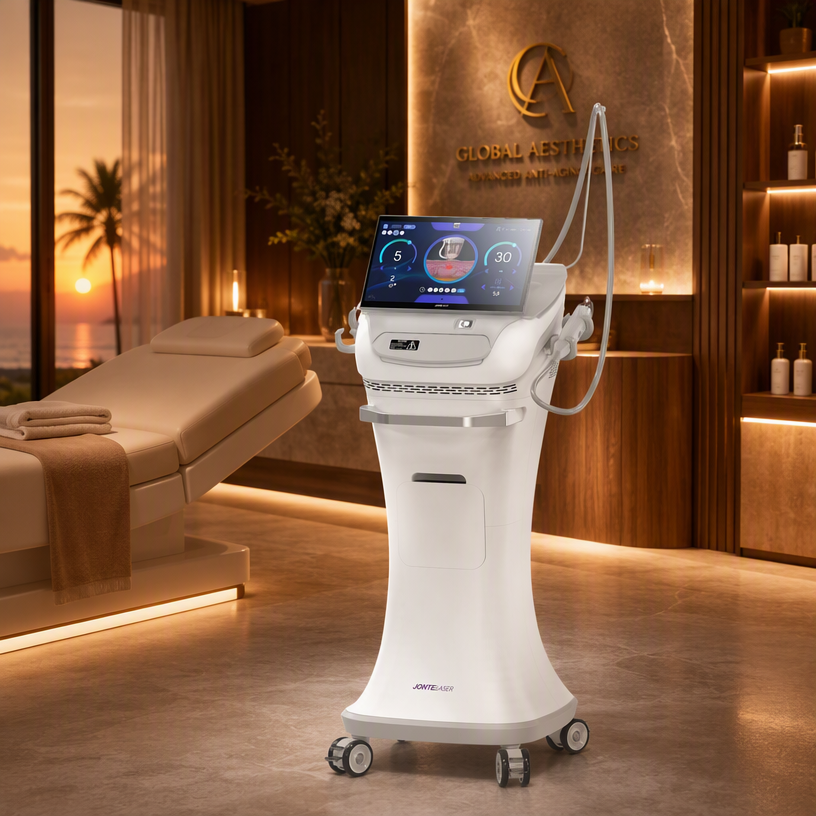
The RF microneedling machine has revolutionized skin rejuvenation by delivering consistent, safe results across all Fitzpatrick skin types. Unlike traditional laser treatments that rely on pigment absorption, RF microneedling machines use radiofrequency energy delivered through fine needles, making them inherently safer and more versatile for diverse skin tones. This innovative technology addresses a critical gap in aesthetic medicine where many conventional devices carry elevated risks of complications for darker skin types, including post-inflammatory hyperpigmentation, hypopigmentation, and thermal burns.
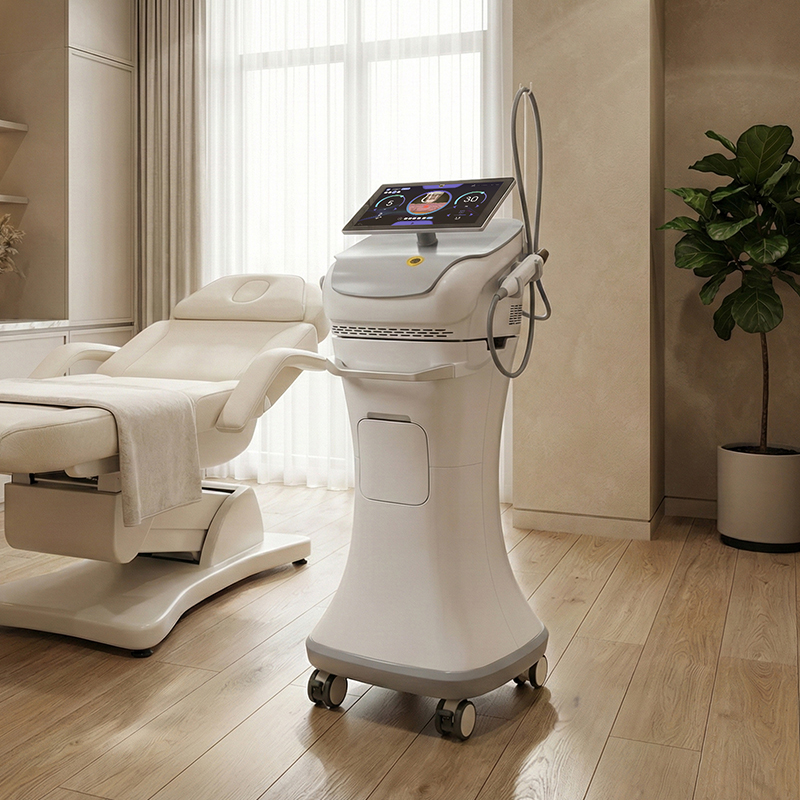
Understanding why the RF microneedling machine remains safe for all Fitzpatrick skin types requires examining how radiofrequency energy interacts with skin tissue differently than light-based technologies. The RF microneedling machine delivers controlled heat directly into the dermis through insulated needles, bypassing the epidermis in a precise, depth-controlled manner. This mechanism ensures that melanin concentration in the outer skin layers does not interfere with treatment efficacy or safety, making the RF microneedling machine equally effective whether treating Fitzpatrick I or Fitzpatrick VI skin.
How RF Microneedling Machines Provide Universal Safety
The Science Behind Radiofrequency Energy
The RF microneedling machine operates on principles fundamentally different from ablative and non-ablative laser systems. Radiofrequency energy generates heat by creating resistance within tissue, and this heating mechanism is independent of skin color or pigmentation levels. When the RF microneedling machine's insulated needles penetrate to the dermal layer, they deliver radiofrequency energy that stimulates collagen production and tissue remodeling without relying on chromophore absorption. This independence from melanin interaction means the RF microneedling machine provides comparable safety profiles across all ethnic backgrounds and skin tone classifications.
Depth Control and Precision Treatment
The RF microneedling machine achieves safety through precise needle depth adjustment and energy delivery control. Practitioners can calibrate needle penetration depth and radiofrequency power settings based on individual skin conditions rather than skin type alone. This customizable approach means the RF microneedling machine adapts treatment parameters to each patient's specific needs, regardless of Fitzpatrick classification. The insulated needle design prevents lateral energy dispersal that could damage surrounding tissue, and the RF microneedling machine's thermal monitoring systems ensure energy delivery remains within safe parameters for all skin tones.
Clinical Outcomes and Efficacy Across Fitzpatrick Types
Consistent Collagen Stimulation Regardless of Skin Tone
Clinical studies confirm that the RF microneedling machine delivers consistent collagen induction across all Fitzpatrick skin types without significant variation in efficacy or safety outcomes. The RF microneedling machine stimulates fibroblast activity through controlled micro-injury combined with radiofrequency heat, creating a biological response independent of melanin levels. Patients with Fitzpatrick I skin achieve similar improvements in skin texture, firmness, and scar appearance as patients with Fitzpatrick VI skin when treated with the RF microneedling machine. This uniformity reflects the fundamental advantage of the RF microneedling machine over wavelength-dependent technologies.
Reduced Complication Rates in Darker Skin Types
The RF microneedling machine significantly reduces complication rates historically associated with treating darker skin tones. Post-inflammatory hyperpigmentation, a common concern with laser treatments on darker skin, rarely occurs with the RF microneedling machine because the treatment mechanism does not trigger excessive melanin production in response to chromophore absorption. The RF microneedling machine's precise depth targeting and thermal management prevent the inflammatory escalation that can lead to dyspigmentation. Practitioners report higher patient satisfaction and lower adverse event rates when using the RF microneedling machine across diverse populations, making it the preferred choice for inclusive aesthetic practices.
Practical Implementation and Treatment Optimization
Customization Protocols for All Skin Types
Effective use of the RF microneedling machine requires understanding how to optimize settings across Fitzpatrick classifications. For lighter skin types, the RF microneedling machine can employ higher power settings and longer treatment durations to achieve aggressive collagen remodeling. For darker skin types, the RF microneedling machine delivers equally effective results using slightly lower power settings that still generate adequate thermal stimulation without creating excessive inflammation. This flexibility means the RF microneedling machine serves all patient populations without requiring separate protocols or limiting efficacy for any demographic group.
Pre-Treatment and Post-Treatment Considerations
Success with the RF microneedling machine depends on consistent pre-treatment and post-treatment care across all Fitzpatrick types. Practitioners using the RF microneedling machine should establish standardized protocols including pre-treatment skin preparation, numbing strategies, and post-treatment wound care. The RF microneedling machine's ability to work safely on all skin types does not eliminate the need for proper sun protection, hydration, and anti-inflammatory support following treatment. Patients across all skin tones benefit from identical post-treatment guidelines when using the RF microneedling machine, simplifying practice management and ensuring consistent outcomes.
FAQ
Can the RF microneedling machine be used on Fitzpatrick VI skin without complications?
Yes, the RF microneedling machine is specifically designed to be safe for Fitzpatrick VI skin and all darker skin types. The radiofrequency mechanism used by the RF microneedling machine does not depend on melanin absorption, eliminating the primary risk factor that makes traditional lasers problematic for darker skin. The RF microneedling machine delivers consistent results on Fitzpatrick VI skin with minimal risk of post-inflammatory hyperpigmentation or thermal injury when operated according to manufacturer guidelines.
How does the RF microneedling machine differ from laser treatments for diverse skin types?
The RF microneedling machine uses radiofrequency energy delivered through insulated needles, while lasers rely on specific wavelengths absorbed by chromophores like melanin. This fundamental difference means the RF microneedling machine bypasses the melanin-absorption mechanism that creates complications in darker skin types. The RF microneedling machine generates heat through tissue resistance rather than pigment absorption, making it inherently safer across all Fitzpatrick classifications without sacrificing efficacy or requiring different treatment protocols.
What power settings should practitioners use when operating the RF microneedling machine on different skin types?
The RF microneedling machine typically allows power adjustments between 30 and 50 watts depending on the specific device model. For lighter skin types, practitioners can use higher power settings within the device's range, while darker skin types may benefit from moderate power settings that still generate adequate thermal stimulation. The RF microneedling machine's customizable settings ensure optimal results for all Fitzpatrick types, and manufacturers provide detailed guidelines for power selection based on skin characteristics and treatment goals rather than skin type alone.