


 EN
EN



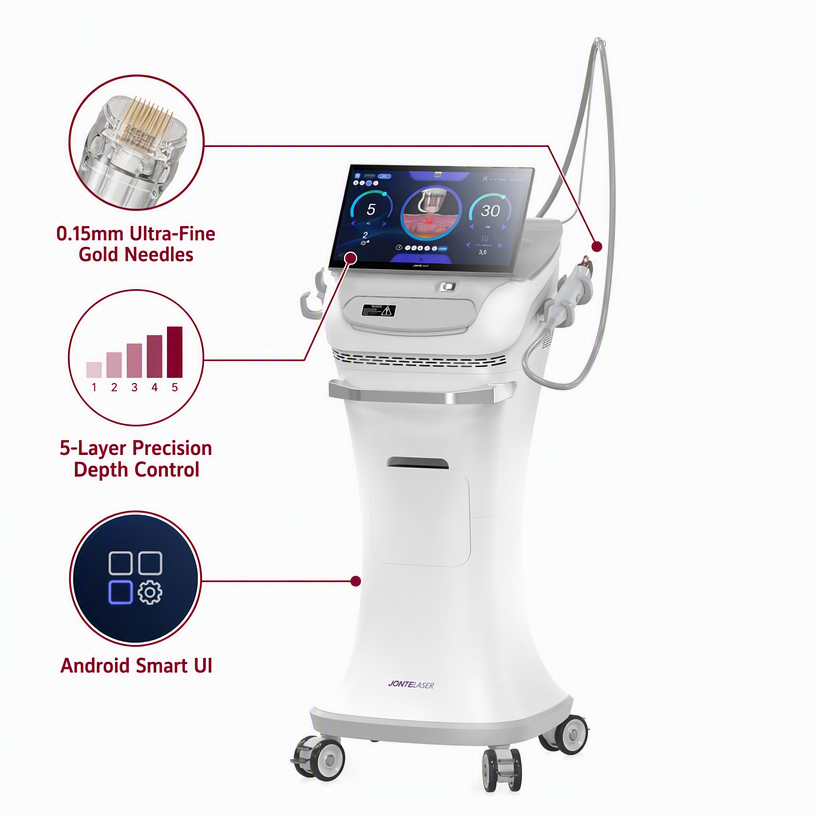
The fractional RF microneedle represents a breakthrough in non-invasive aesthetic medicine, combining radiofrequency energy with mechanical microneedling to deliver transformative skin rejuvenation results. This dual-action technology works by creating controlled micro-injuries that trigger the body's natural healing response, simultaneously delivering radiofrequency heat deep into the dermal layer. The synergy between fractional RF microneedle treatment and the skin's regenerative capacity makes this approach uniquely effective for addressing fine lines, texture irregularities, and loss of firmness without requiring extensive downtime.
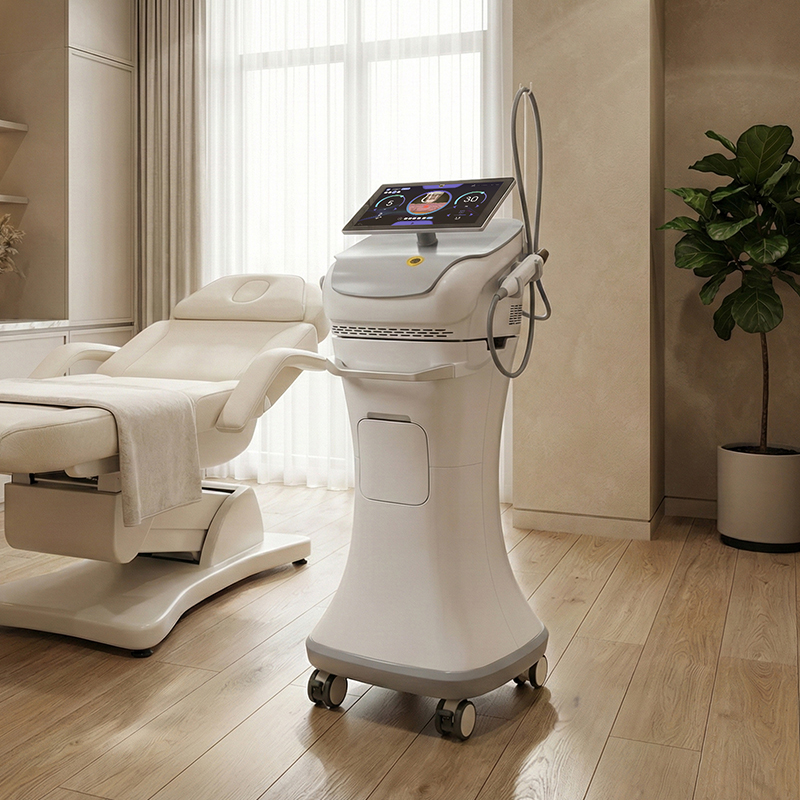
Understanding how fractional RF microneedle technology stimulates collagen and elastin production is essential for aesthetic professionals and patients seeking evidence-based skin rejuvenation solutions. The mechanism involves both mechanical and thermal stimulation working in concert. When fractional RF microneedle devices penetrate the skin, they create precise channels while delivering radiofrequency energy that heats the underlying dermal tissue. This dual stimulus activates fibroblasts, the cells responsible for producing collagen and elastin, initiating a cascade of biological responses that extend for months after treatment. The result is sustained improvement in skin structure, elasticity, and overall appearance.
How Fractional RF Microneedle Stimulates Collagen Production
Mechanical Microneedling and Collagen Induction
The fractional RF microneedle system works by creating controlled micro-channels through the epidermis into the dermis, triggering what dermatologists call the 'wound healing cascade.' When fractional RF microneedle needles penetrate tissue, they stimulate fibroblasts to increase collagen synthesis as part of the natural repair process. The fractional approach means only a fraction of the skin surface is treated in each pass, leaving healthy tissue between treatment zones to support faster healing. This fractional RF microneedle methodology reduces recovery time while maximizing collagen remodeling. The mechanical injury from fractional RF microneedle penetration alone would stimulate some collagen production, but when combined with radiofrequency energy, the effect is substantially amplified and sustained over a longer period.
Radiofrequency Energy and Deep Dermal Heating
The radiofrequency component of fractional RF microneedle technology delivers heat energy directly into the dermal layer, creating thermal injury zones that accelerate collagen contraction and new collagen synthesis. Fractional RF microneedle devices typically operate at frequencies between 1 and 2 megahertz, generating heat that reaches temperatures sufficient to denature existing collagen while stimulating fibroblast activity. This thermal stimulus from fractional RF microneedle treatment prompts fibroblasts to produce fresh collagen molecules to replace damaged tissue and strengthen the skin matrix. The fractional RF microneedle approach distributes this heat across treated and untreated zones, preventing excessive thermal damage while maintaining consistent collagen stimulation. Studies demonstrate that fractional RF microneedle treatments produce collagen remodeling that continues for three to six months post-treatment, with peak results often visible at the three-month mark.
Elastin Regeneration and Skin Elasticity Improvement
Elastin Synthesis Through Fibroblast Activation
While collagen provides structural support, elastin gives skin its ability to stretch and snap back, making elastin regeneration equally important for comprehensive rejuvenation. Fractional RF microneedle treatment activates fibroblasts not only to produce more collagen but also to synthesize new elastin fibers, restoring the elastic recoil that diminishes with age and sun exposure. The fractional RF microneedle energy penetrates to depths where elastin-producing cells reside, directly influencing their activity level. Unlike topical elastin products that cannot meaningfully influence deep elastin production, fractional RF microneedle treatments create the biological conditions necessary for sustained elastin synthesis. Patients undergoing fractional RF microneedle therapy typically notice improved skin firmness and resilience within weeks, with improvements continuing as new elastin accumulates within the skin structure.
Long-Term Elasticity and Structural Integrity
The combination of enhanced collagen and elastin production from fractional RF microneedle technology creates lasting improvements in skin texture and elasticity that extend well beyond the treatment period. Fractional RF microneedle results reflect both immediate tissue contraction from heat exposure and progressive collagen and elastin remodeling over subsequent months. The fractional RF microneedle approach prevents over-treatment of any single area, allowing the skin to heal and remodel naturally without excessive scar tissue formation. Progressive fractional RF microneedle treatments, typically spaced four to six weeks apart, build cumulative improvements in skin structure and appearance. Patients report that skin treated with fractional RF microneedle technology maintains improved texture and firmness for twelve months or longer following a complete treatment series, demonstrating the sustained impact of boosted collagen and elastin production.
Clinical Applications and Treatment Outcomes
Aesthetic Concerns Addressed by Fractional RF Microneedle
Fractional RF microneedle technology effectively addresses a wide range of aesthetic concerns driven by collagen and elastin loss, including fine lines, deep wrinkles, acne scars, and uneven skin texture. The fractional RF microneedle approach works particularly well on the face, neck, and décolletage, areas prone to visible aging where boosting collagen and elastin makes dramatic visible differences. Fractional RF microneedle treatments can be customized by adjusting needle depth, radiofrequency power, and treatment intensity to match individual skin conditions and treatment goals. Healthcare providers choose fractional RF microneedle settings based on patient skin type, age, and specific concerns, ensuring that collagen and elastin stimulation is optimized for each individual. The versatility of fractional RF microneedle devices makes them valuable for diverse aesthetic applications where skin tightening and rejuvenation are desired.
Recovery, Safety, and Treatment Frequency
One of the significant advantages of fractional RF microneedle technology is that the fractional treatment pattern creates minimal downtime compared to traditional full-surface ablative methods. Most patients experience redness and mild swelling for two to five days following fractional RF microneedle treatment, but can resume normal activities immediately in many cases. The fractional RF microneedle approach allows patients to continue their skincare routines and makeup use within a few days, making it practical for busy professionals. Optimal fractional RF microneedle results typically require three to five treatments spaced one month apart, with maintenance sessions annually to sustain improvements in collagen and elastin density. The fractional RF microneedle method demonstrates excellent safety across diverse skin types when settings are appropriately calibrated, with side effect profiles considerably lower than traditional resurfacing lasers.
FAQ
How long does it take to see results from fractional RF microneedle treatment?
Initial improvements in skin texture and redness may appear within one to two weeks as swelling resolves, but the most significant results from collagen and elastin production emerge over three to six months following fractional RF microneedle therapy. The fractional RF microneedle process of collagen remodeling is gradual, with fibroblasts continuing to produce new structural proteins long after the treatment session ends. Progressive improvement continues throughout this window, and many practitioners recommend spacing fractional RF microneedle sessions one month apart to allow adequate healing and collagen synthesis between treatments.
Is fractional RF microneedle suitable for all skin types?
Fractional RF microneedle technology works effectively across all skin types, though treatment settings require careful customization to prevent complications in darker skin tones. The fractional RF microneedle approach distributes energy across treated and untreated zones, reducing the risk of hypopigmentation or other pigmentation concerns that sometimes occur with single-pass energy devices. Healthcare providers experienced in fractional RF microneedle treatment can safely perform procedures on all skin types by adjusting power levels, cooling parameters, and treatment intervals appropriately. Patch testing prior to full-face fractional RF microneedle treatment is sometimes recommended for patients with very sensitive skin or those prone to post-inflammatory hyperpigmentation.
Can fractional RF microneedle replace surgical facelifts?
Fractional RF microneedle technology provides impressive non-surgical skin tightening and collagen-elastin restoration, making it highly effective for mild to moderate aging signs, but it cannot achieve the dramatic lifting effect that surgical procedures provide for advanced skin laxity. Fractional RF microneedle works best for patients with early aging signs or those seeking preventive anti-aging treatments before significant volume loss or skin sagging develops. Many aesthetic professionals recommend fractional RF microneedle as a maintenance and early-intervention tool that can potentially delay the need for surgical procedures or complement surgical outcomes when combined appropriately. The non-invasive nature and safety profile of fractional RF microneedle make it an attractive option for patients seeking meaningful improvement without surgical risks and recovery periods.