


 EN
EN



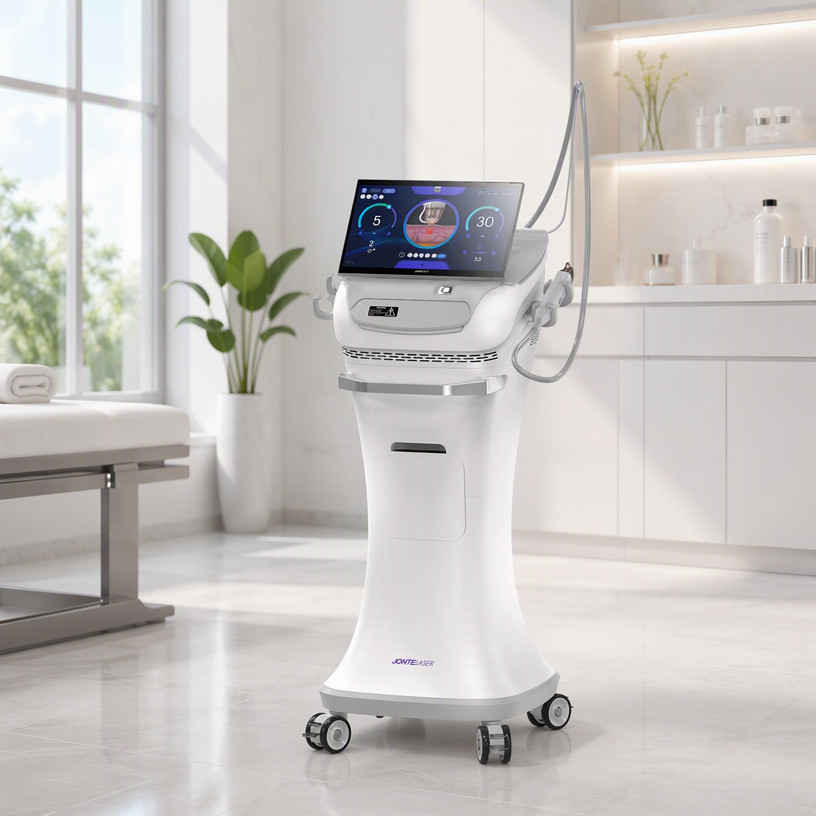
Active acne represents one of the most challenging dermatological conditions to manage, particularly when traditional treatments fail to deliver results. The RF microneedling device has emerged as a revolutionary solution that combines radiofrequency energy with microneedling precision to target acne at its root causes. Unlike conventional topical treatments or oral medications, an RF microneedling device works synergistically with the skin's natural healing response, creating conditions that actively suppress acne-causing bacteria while simultaneously promoting skin renewal. This dual-action approach explains why dermatologists and aesthetic practitioners increasingly recommend the RF microneedling device for patients struggling with persistent active acne.
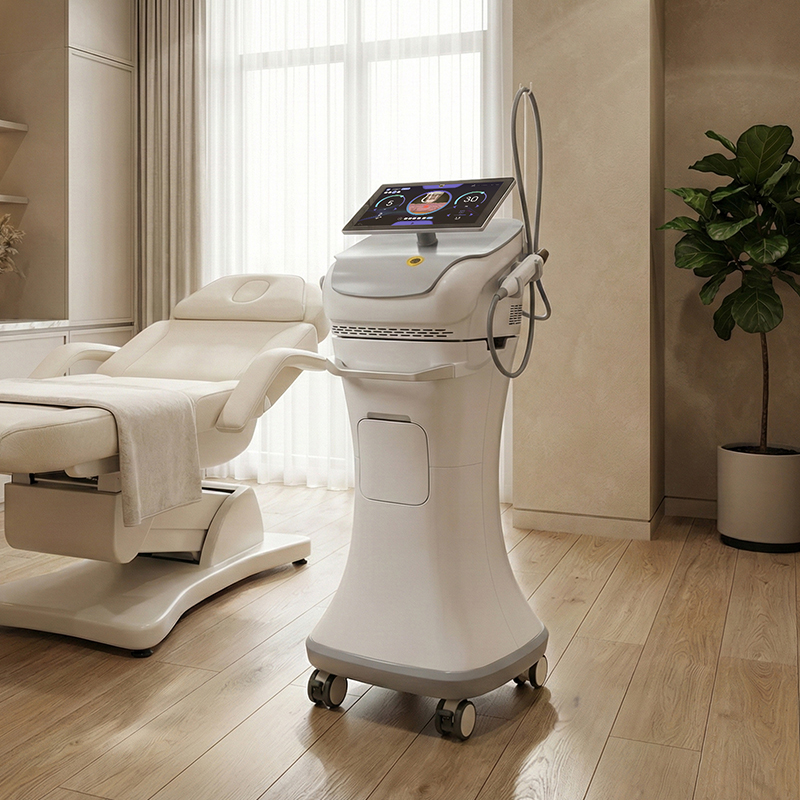
The science behind the RF microneedling device effectiveness lies in understanding how acne develops and persists. Acne bacteria thrive in sebum-rich environments within follicles, where inflammation and blockages create ideal breeding grounds. When practitioners apply an RF microneedling device to affected areas, the radiofrequency energy generates controlled heat at precise skin depths, effectively neutralizing bacteria while the microneedling component creates microchannels that enhance therapeutic penetration. This combination addresses multiple acne mechanisms simultaneously, making the RF microneedling device distinctly superior to single-action treatments.
How RF Microneedling Devices Target Active Acne Mechanisms
Bacterial Reduction Through Thermal Energy
The RF microneedling device delivers radiofrequency energy directly into follicular structures where acne bacteria concentrate. This thermal energy raises skin temperature to levels that inhibit bacterial growth and reproduction without damaging healthy surrounding tissue. The heat generated by an RF microneedling device creates a hostile environment for Propionibacterium acnes, the primary bacterium responsible for inflammatory acne. Unlike topical antibiotics that may face resistance issues over time, the RF microneedling device employs physical thermal action that bacteria cannot develop immunity against, providing consistent long-term efficacy.
Sebum Regulation and Oil Control
Excessive sebum production is a fundamental acne driver, and the RF microneedling device addresses this through targeted thermal stimulation of sebaceous glands. When an RF microneedling device operates in the dermis, it triggers mild thermal injury that prompts sebaceous glands to downregulate oil production. This normalized sebum level persists for months after treatment, fundamentally altering the skin environment that acne requires to flourish. The RF microneedling device therefore provides benefits extending far beyond the immediate post-treatment period.
Enhanced Collagen Remodeling and Scar Prevention
Active Acne Inflammation Control
Active acne causes significant inflammation that often leaves permanent scarring if unaddressed. An RF microneedling device prevents this destructive progression by reducing inflammatory markers within lesions. The radiofrequency component of an RF microneedling device stimulates fibroblast activity, which naturally suppresses pro-inflammatory cytokines. This mechanism explains why patients using an RF microneedling device experience faster resolution of active breakouts and reduced likelihood of atrophic or hypertrophic scarring compared to untreated acne.
Structural Skin Rebuilding
Beyond acne elimination, the RF microneedling device rebuilds compromised skin architecture through enhanced collagen synthesis. The thermal stimulus from an RF microneedling device prompts increased collagen production that fills existing acne scars while preventing new scar formation. Patients undergoing RF microneedling device treatment typically observe improved skin texture, reduced pore size, and more uniform complexion tone as collagen networks strengthen. This comprehensive skin transformation makes an RF microneedling device particularly valuable for patients with years of active acne history.
Clinical Outcomes and Treatment Protocols for Acne
Evidence-Based Treatment Results
Clinical studies consistently demonstrate that RF microneedling device treatments reduce active acne lesion counts by 60 to 80 percent within three to four treatment sessions. These results significantly outperform standalone microneedling, radiofrequency, or topical treatments alone. The RF microneedling device achieves superior outcomes because it simultaneously addresses bacterial load, inflammation, sebum production, and skin structural integrity. Practitioners report that patients using an RF microneedling device experience sustained improvement even 12 months post-treatment, indicating the device creates lasting physiological changes rather than temporary symptom suppression.
Treatment Frequency and Optimization
Most acne management protocols utilizing an RF microneedling device recommend monthly treatments for active acne cases, with maintenance sessions scheduled quarterly thereafter. This spacing allows adequate time for collagen remodeling while preventing treatment fatigue. The RF microneedling device parameters should be individually calibrated based on acne severity, skin type, and patient tolerance, requiring experienced practitioner expertise. Patients combining RF microneedling device treatment with appropriate skincare protocols and gentle extraction techniques achieve optimal clearance rates.
FAQ
Can an RF microneedling device treat all acne types?
An RF microneedling device is most effective for inflammatory acne including papules, pustules, and early nodular acne. The device works best on active bacterial acne rather than purely comedonal acne like blackheads or whiteheads. However, combination skin with mixed acne types responds exceptionally well since an RF microneedling device simultaneously addresses multiple acne pathways. Practitioners can customize the RF microneedling device settings to optimize results for each patient's specific acne presentation.
How quickly does an RF microneedling device show results?
Initial improvement from an RF microneedling device typically appears within two weeks as inflammation subsides and new acne formation decreases. More dramatic results emerge after three to four sessions, with maximum collagen remodeling benefits visible three to six months post-treatment completion. Unlike topical treatments requiring weeks of daily application, the RF microneedling device delivers faster visible transformation that motivates patient compliance and satisfaction.
Is an RF microneedling device suitable for sensitive skin with active acne?
Yes, an RF microneedling device can be safely used on sensitive acne-prone skin when properly calibrated by experienced practitioners. The customizable settings allow practitioners to reduce energy levels while maintaining therapeutic effectiveness for sensitive individuals. An RF microneedling device actually benefits sensitive skin because it reduces reliance on irritating topical acne medications that frequently trigger reactions. Many sensitive-skin patients find an RF microneedling device gentler and more effective than traditional acne treatment approaches.