


 EN
EN



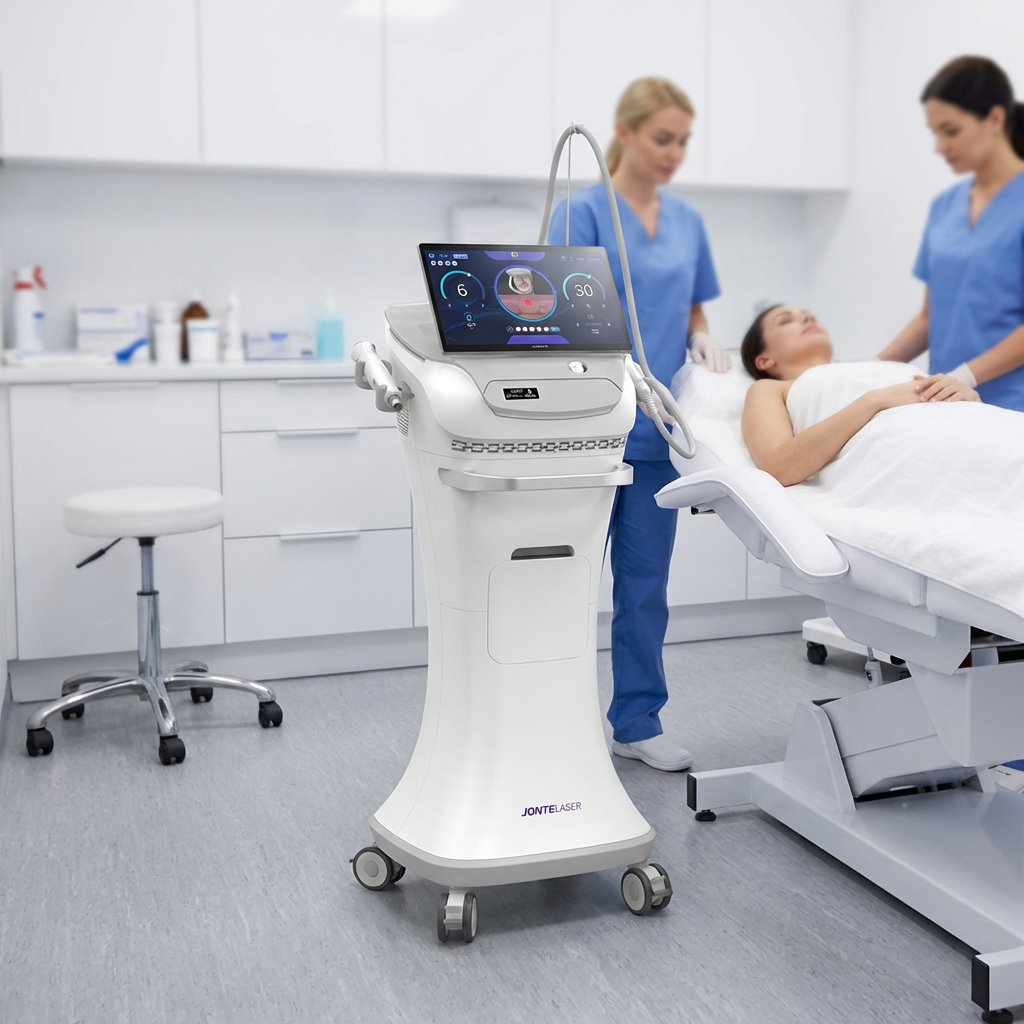
Achieving a porcelain skin look has become a realistic goal for aesthetics professionals and clinics thanks to advanced microneedling machine technology. The term 'porcelain skin' refers to a flawless, smooth, luminous complexion characterized by minimal pores, even tone, and a refined texture. This aesthetic ideal has driven demand for effective professional treatments that deliver visible, lasting results without excessive downtime. A professional microneedling machine combines precision needle technology with advanced energy delivery systems to stimulate natural collagen production and cellular regeneration, transforming skin quality from the inside out.
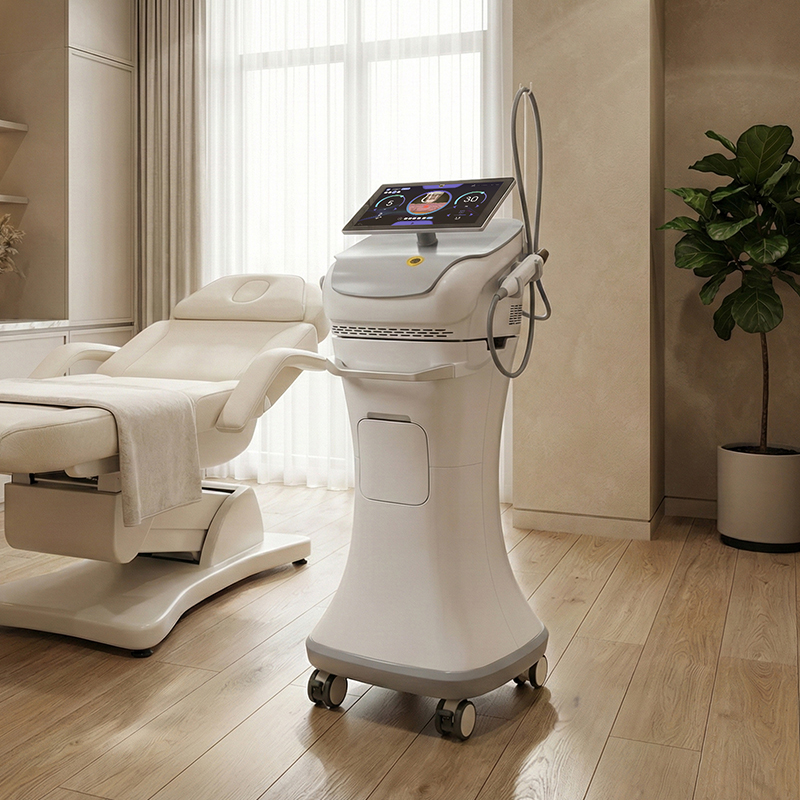
The science behind using a microneedling machine for porcelain skin rests on three core mechanisms: controlled micro-injury induction, collagen remodeling, and barrier function restoration. When a microneedling machine creates thousands of microscopic channels in the epidermis, the skin's natural healing response triggers fibroblast activation. This leads to sustained collagen and elastin synthesis over weeks and months following treatment. Professional-grade microneedling machines offer precision depth control, variable needle configurations, and optional radiofrequency energy to intensify results and ensure consistent, predictable outcomes across different skin types and conditions.
Understanding Microneedling Machine Technology for Porcelain Skin Results
How a Microneedling Machine Creates Porcelain Skin Effects
A professional microneedling machine operates by vertically oscillating a sterile needle cartridge at high speeds, typically 1000 to 2000 cycles per minute, creating micro-perforations in the skin. Unlike manual dermarollers, an advanced microneedling machine ensures uniform needle penetration depth, consistent spacing, and controlled speed, delivering repeatable clinical outcomes. The depth settings on a microneedling machine can range from 0.5mm to 3.0mm, allowing practitioners to customize treatment intensity based on skin condition, thickness, and target concerns. Radiofrequency-enabled microneedling machine models add thermal energy that heats the dermis, amplifying collagen stimulation and improving skin tightening effects simultaneously with mechanical needling.
The Collagen Remodeling Process
When a microneedling machine punctures the skin at therapeutic depths, it activates the wound-healing cascade without causing visible damage or excessive scarring. This controlled injury response triggers growth factor release and fibroblast proliferation, resulting in robust collagen deposition over the following twelve weeks. A microneedling machine's precision allows practitioners to avoid the inflammation and erythema associated with ablative laser treatments, making it suitable for sensitive skin and darker skin types. The gradual collagen remodeling induced by microneedling machine treatments creates the smooth, plump, refined texture characteristic of porcelain skin, with results improving over time rather than appearing immediately.
Clinical Applications and Treatment Protocols for Microneedling Machine
Addressing Key Porcelain Skin Concerns
A microneedling machine effectively targets multiple skin imperfections that prevent a porcelain complexion, including enlarged pores, fine lines, acne scars, and uneven skin texture. The adaptability of a microneedling machine allows practitioners to adjust needle depth for specific concerns: shallower settings (0.5–1.0mm) for fine lines and pore refinement, mid-range settings (1.0–1.5mm) for general skin quality improvement, and deeper settings (2.0–3.0mm) for severe scarring and laxity. Combination treatments using a microneedling machine with serums or growth factors can enhance results further, as the microchannels created by the device facilitate active ingredient penetration to deeper dermal layers. Practitioners using a microneedling machine report that serial treatments spaced four to six weeks apart deliver cumulative improvements, with most clients requiring four to six sessions for optimal porcelain skin transformation.
Treatment Parameters and Expected Outcomes
Optimal results from a microneedling machine require consistent treatment protocols tailored to individual skin conditions and client goals. Standard treatment parameters include needle penetration depth between 1.5mm and 2.5mm for general facial rejuvenation, with energy settings adjusted based on skin sensitivity and treatment area. Recovery following microneedling machine treatment typically involves minimal downtime, with mild erythema resolving within twenty-four to forty-eight hours and brief post-treatment sensitivity managed with appropriate skincare. Practitioners observe that a microneedling machine achieves visible porcelain skin effects within three to four weeks post-treatment, as initial collagen synthesis becomes apparent, with continued improvement over three to six months as deeper collagen remodeling progresses.
Maximizing Porcelain Skin Results with Microneedling Machine Expertise
Professional Technique and Device Selection
Selecting the appropriate microneedling machine is critical for achieving consistent porcelain skin results across diverse clientele. Advanced microneedling machine models incorporate features such as variable frequency control, customizable needle cartridges, real-time safety sensors, and integrated radiofrequency technology to enhance therapeutic efficacy. A professional-grade microneedling machine from reputable manufacturers ensures sterilization protocols, calibration accuracy, and technical support necessary for safe, effective clinical practice. Practitioners must receive comprehensive training on microneedling machine operation, including needle depth calculation based on skin thickness, speed adjustment relative to treatment area, and complications avoidance through proper technique and contraindication screening.
Integration with Complementary Treatments
A microneedling machine serves as an excellent foundation for multi-modal skin rejuvenation, synergizing effectively with topical treatments, chemical peels, and other energy-based therapies. Post-microneedling machine treatment, practitioners often apply specialized serums containing hyaluronic acid, peptides, or growth factors to leverage the enhanced absorption created by microchannels. Advanced protocols combine a microneedling machine with gentle LED light therapy to optimize collagen synthesis and inflammatory response management, while some clinics integrate radiofrequency microneedling machine technology with subsequent hydrating facials for enhanced outcomes. The flexibility of a microneedling machine allows practitioners to develop customized porcelain skin packages addressing each client's unique skin condition, ensuring professional-level results that justify treatment investment.
FAQ
How many microneedling machine treatments are needed for porcelain skin?
Most clients require four to six professional microneedling machine treatments spaced four to six weeks apart to achieve noticeable porcelain skin transformation. Results continue improving over six months post-treatment as collagen remodeling progresses, with maintenance sessions recommended annually or semi-annually to sustain porcelain skin appearance. Individual results vary based on skin condition severity, age, collagen baseline, and treatment consistency, making personalized assessment essential for realistic expectation-setting.
Is a microneedling machine safe for all skin types?
Yes, a professional microneedling machine is suitable for all skin types when operated by trained practitioners using appropriate depth and energy settings. Darker skin types benefit from a microneedling machine because it avoids the post-inflammatory hyperpigmentation risks associated with ablative lasers, making it an ideal porcelain skin solution for individuals with higher melanin content. Contraindications include active infections, severe cystic acne, and certain medications like isotretinoin, which practitioners must screen for before microneedling machine treatment.
What is the recovery time after a microneedling machine treatment?
Recovery following microneedling machine treatment is minimal, with most clients experiencing mild erythema and slight tenderness resolving within twenty-four to forty-eight hours. Practitioners recommend gentle skincare, sun protection, and avoiding active ingredients for forty-eight hours post-treatment, allowing clients to return to normal activities immediately. This minimal downtime makes a microneedling machine treatment ideal for professionals seeking porcelain skin improvement without extended recovery periods.