


 EN
EN



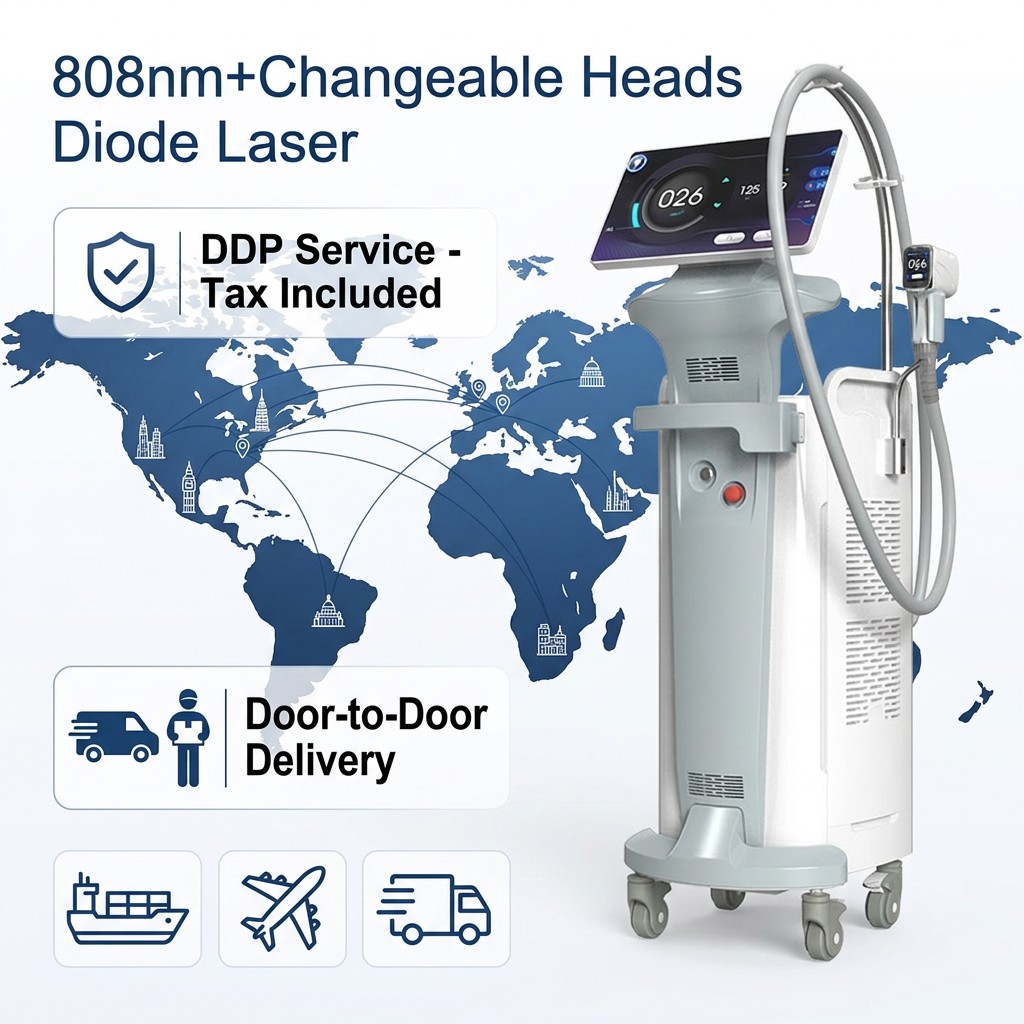
The medical beauty industry has witnessed unprecedented growth in recent decades, with various treatments competing for consumer attention and market dominance. Among all aesthetic procedures available today, laser hair removal has consistently emerged as the most sought-after service worldwide, driving billions of dollars in revenue and transforming how people approach personal grooming. This remarkable popularity stems from a unique combination of technological advancement, consumer demand for convenience, and the treatment's ability to deliver long-lasting results that traditional hair removal methods simply cannot match.
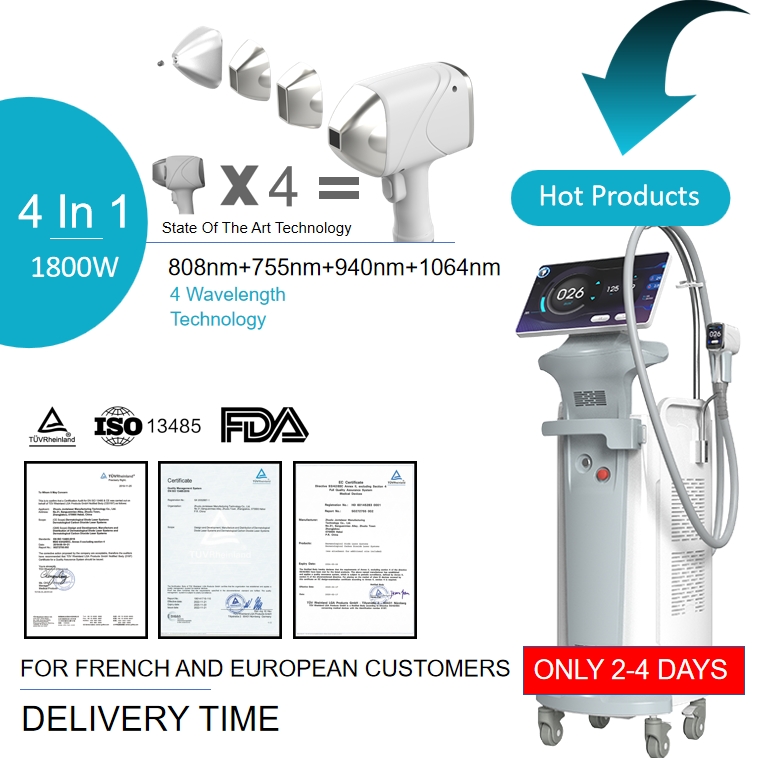
The dominance of laser hair removal in the global medical beauty landscape reflects a fundamental shift in consumer preferences toward permanent solutions over temporary fixes. Unlike traditional methods such as shaving, waxing, or threading that require frequent repetition and often cause discomfort or skin irritation, laser hair removal offers a scientifically proven approach to achieving smooth, hair-free skin with minimal ongoing maintenance. This revolutionary treatment has captured the imagination of millions worldwide, establishing itself as the cornerstone service that drives customer acquisition and retention for medical beauty clinics across continents.
Market Dynamics Driving Global Demand
Consumer Behavior Evolution and Lifestyle Priorities
The rise of laser hair removal as the premier medical beauty service reflects broader changes in how modern consumers prioritize their time and personal care routines. Today's busy professionals increasingly seek solutions that maximize efficiency while delivering superior results, making laser hair removal an attractive investment despite its higher upfront cost compared to traditional methods. The treatment appeals particularly to individuals who value long-term convenience over short-term savings, recognizing that the cumulative time and money spent on regular shaving, waxing, or salon visits far exceeds the cost of permanent hair reduction.
Social media influence has also played a crucial role in normalizing laser hair removal discussions and showcasing treatment results, creating a cultural shift toward openness about aesthetic procedures. This transparency has demystified the process and reduced stigma, encouraging more people to explore laser hair removal as a practical solution to unwanted hair. The visual nature of social platforms allows potential clients to see authentic before-and-after results, building confidence in the treatment's effectiveness and contributing to its widespread adoption across diverse demographic groups.
Economic Accessibility and Technology Advancement
Technological improvements in laser hair removal equipment have significantly enhanced treatment safety, comfort, and effectiveness while simultaneously reducing operational costs for providers. Modern diode laser systems offer faster treatment times, improved cooling mechanisms, and better results across different skin types and hair colors, making the service accessible to a broader client base. These advances have enabled clinics to offer competitive pricing while maintaining healthy profit margins, creating a win-win scenario that fuels market expansion.
The development of more efficient laser systems has also reduced the total number of sessions required for optimal results, making the treatment more appealing to time-conscious consumers. Advanced cooling technologies and refined laser parameters have minimized discomfort during procedures, addressing one of the primary concerns that previously deterred potential clients. As equipment costs decrease and treatment protocols become more standardized, laser hair removal has transitioned from a luxury service to an accessible option for middle-income consumers worldwide.
Clinical Effectiveness and Safety Profile
Scientific Foundation and Treatment Efficacy
The scientific basis for laser hair removal effectiveness rests on the principle of selective photothermolysis, where specific wavelengths of light target melanin in hair follicles while preserving surrounding skin tissue. Clinical studies consistently demonstrate that properly administered laser hair removal treatments can achieve permanent hair reduction ranging from 80% to 95% in treated areas, with results varying based on individual factors such as hair color, skin type, and hormonal influences. This level of efficacy far surpasses any other hair removal method, providing clients with genuinely transformative results that justify the investment.
Multiple peer-reviewed studies have documented the long-term stability of laser hair removal results, with follow-up periods extending beyond five years showing sustained hair reduction in the majority of patients. The treatment's ability to target hair follicles during their active growth phase ensures progressive reduction with each session, typically requiring six to eight treatments spaced at appropriate intervals for optimal outcomes. This predictable treatment protocol allows both providers and clients to set realistic expectations and plan accordingly, contributing to high satisfaction rates and positive word-of-mouth referrals.
Safety Standards and Risk Minimization
Modern laser hair removal technology incorporates multiple safety features designed to minimize risks and protect client welfare during treatments. Advanced cooling systems, real-time skin temperature monitoring, and automated safety shut-offs ensure that treatments remain within safe parameters regardless of operator experience level. The development of FDA-approved laser systems with proven track records has established clear safety protocols that reputable clinics follow, resulting in extremely low complication rates when treatments are performed correctly.
The safety profile of laser hair removal compares favorably to alternative hair removal methods, particularly when considering the cumulative risks associated with frequent shaving cuts, waxing burns, or ingrown hairs from regular hair removal practices. Professional laser treatments eliminate these ongoing risks while providing superior results, making them an attractive option for individuals with sensitive skin or those prone to complications from traditional hair removal methods. Comprehensive pre-treatment consultations and patch testing further minimize potential adverse reactions, ensuring that laser hair removal remains one of the safest cosmetic procedures available.
Industry Growth Trends and Market Penetration
Global Market Expansion and Regional Adoption
The global laser hair removal market has experienced remarkable growth, with industry reports indicating consistent annual increases in treatment volume and revenue generation across all major geographic regions. North America and Europe lead in market maturity, with high penetration rates and established consumer acceptance, while emerging markets in Asia, Latin America, and the Middle East show the fastest growth rates as economic development increases disposable income for aesthetic treatments. This geographic expansion demonstrates the universal appeal of laser hair removal across diverse cultural and economic contexts.
Market research indicates that laser hair removal accounts for approximately 60% of all non-invasive aesthetic procedures performed globally, significantly outpacing other popular treatments such as botulinum toxin injections, dermal fillers, or chemical peels. This dominance reflects both the frequency of repeat customers and the high volume of new clients seeking laser hair removal services. The treatment's ability to generate steady, predictable revenue streams makes it particularly attractive to medical beauty businesses, driving continued investment in advanced equipment and staff training.
Business Model Advantages and Provider Benefits
Laser hair removal offers unique business advantages that contribute to its popularity among medical beauty providers, including predictable treatment protocols, standardized pricing structures, and high client retention rates. The series-based nature of laser hair removal treatments creates natural opportunities for client relationship building and additional service upselling, making it an ideal foundation service for aesthetic practices. Providers benefit from the treatment's scalability, as efficient laser systems can accommodate high patient volumes while maintaining consistent quality standards.
The recurring revenue model inherent in laser hair removal treatment plans provides financial stability for medical beauty businesses, allowing for better cash flow management and strategic planning. Many clinics report that laser hair removal clients become long-term advocates who refer friends and family members, creating organic marketing opportunities that reduce customer acquisition costs. The treatment's high satisfaction rates and visible results make it an excellent entry point for introducing clients to other aesthetic services, supporting overall business growth and diversification strategies.
Consumer Satisfaction and Long-term Value
Quality of Life Improvements and Lifestyle Benefits
Client testimonials and satisfaction surveys consistently highlight the transformative impact of laser hair removal on daily routines and overall quality of life. Many individuals report significant time savings from eliminating daily shaving or regular salon appointments, allowing them to redirect this time toward more meaningful activities. The confidence boost associated with smooth, hair-free skin extends beyond aesthetic benefits, often improving self-esteem and social comfort in situations involving exposed skin, such as swimming, intimate relationships, or professional environments requiring frequent travel.
The elimination of ongoing expenses related to traditional hair removal methods represents a significant long-term financial benefit that many clients cite as a primary motivation for choosing laser hair removal. When calculated over a lifetime, the cumulative costs of razors, shaving cream, waxing sessions, and related products often exceed the total investment in laser treatments by substantial margins. This economic advantage becomes even more pronounced for individuals with fast hair growth or those requiring professional hair removal services for large body areas, making laser hair removal a financially sensible choice for long-term hair management.
Psychological and Social Impact
The psychological benefits of laser hair removal extend well beyond simple convenience, often addressing deep-seated insecurities related to excessive or unwanted hair growth. Many clients report feeling liberated from constant worry about hair regrowth, particularly in professional or social situations where appearance confidence is crucial. The treatment's ability to address conditions such as hirsutism or pseudofolliculitis barbae provides medical benefits alongside aesthetic improvements, making it a valuable therapeutic intervention for affected individuals.
Social acceptance of laser hair removal has grown significantly as the treatment becomes more mainstream, with many individuals openly discussing their experiences and recommending the service to others. This cultural shift has normalized cosmetic laser treatments and reduced the stigma previously associated with aesthetic procedures, encouraging broader adoption across age groups and demographic segments. The treatment's gender-neutral appeal has also contributed to its success, with increasing numbers of men seeking laser hair removal for back, chest, or facial hair management alongside the traditional female client base.
FAQ
How many laser hair removal sessions are typically needed for optimal results?
Most individuals require six to eight laser hair removal sessions spaced four to six weeks apart to achieve optimal hair reduction results. The exact number varies based on factors such as hair thickness, color, treatment area size, and individual hormonal influences. Hair grows in cycles, and laser treatments are most effective during the active growth phase, which is why multiple sessions are necessary to target all follicles as they cycle through different growth stages. Touch-up sessions may be recommended annually or bi-annually to maintain results, particularly in hormonally sensitive areas.
Is laser hair removal safe for all skin types and hair colors?
Modern laser hair removal technology can safely treat most skin types and hair colors, though effectiveness varies depending on the contrast between hair and skin pigmentation. Advanced diode laser systems with multiple wavelengths can accommodate different skin tones while maintaining safety and efficacy. However, very light blonde, gray, or white hair may not respond well to laser treatment due to insufficient melanin content. A thorough consultation and patch test are essential to determine individual suitability and customize treatment parameters for optimal results and safety.
What makes laser hair removal more cost-effective than traditional hair removal methods?
While laser hair removal requires a higher initial investment, it becomes significantly more cost-effective over time by eliminating ongoing expenses associated with traditional hair removal methods. The average person spends thousands of dollars over their lifetime on razors, shaving products, waxing services, and salon treatments. Laser hair removal provides permanent hair reduction after a finite number of sessions, eliminating these recurring costs while saving considerable time spent on regular hair removal routines. When calculated over ten to twenty years, laser treatment typically costs less than half of traditional methods while delivering superior, long-lasting results.
Can laser hair removal completely eliminate all unwanted hair permanently?
Laser hair removal achieves significant permanent hair reduction rather than complete elimination in most cases, typically reducing hair growth by 80% to 95% in treated areas. Some fine, light hairs may persist or regrow over time, particularly in hormonally influenced areas or following significant hormonal changes such as pregnancy or menopause. However, any regrowth is usually much finer and lighter than original hair, often barely noticeable without close inspection. Maintenance treatments can address any regrowth, ensuring long-term satisfaction with smooth, virtually hair-free results that far exceed what traditional methods can achieve.
Table of Contents
- Market Dynamics Driving Global Demand
- Clinical Effectiveness and Safety Profile
- Industry Growth Trends and Market Penetration
- Consumer Satisfaction and Long-term Value
-
FAQ
- How many laser hair removal sessions are typically needed for optimal results?
- Is laser hair removal safe for all skin types and hair colors?
- What makes laser hair removal more cost-effective than traditional hair removal methods?
- Can laser hair removal completely eliminate all unwanted hair permanently?