


 EN
EN



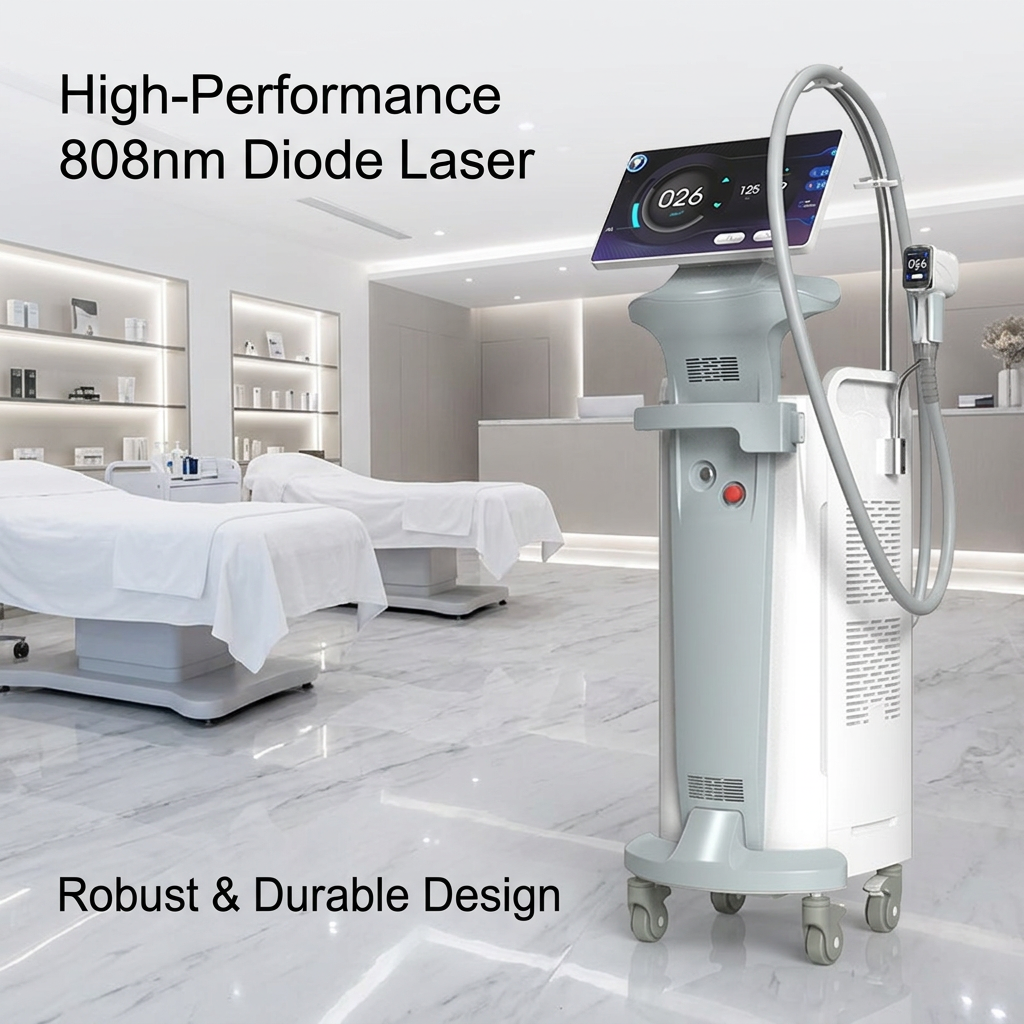
Maintaining your laser hair removal machine at peak performance requires a systematic approach that extends far beyond basic cleaning protocols. Professional aestheticians and clinic owners understand that proper maintenance directly impacts treatment effectiveness, client satisfaction, and the longevity of their investment. A well-maintained laser hair removal machine delivers consistent results, minimizes downtime, and ensures optimal safety standards throughout its operational lifespan.
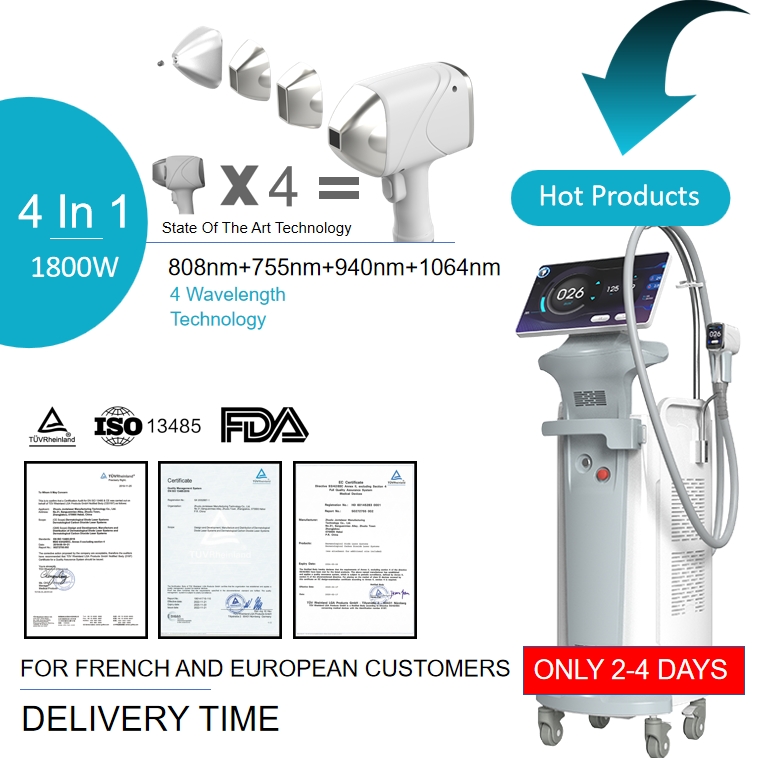
The complexity of modern laser hair removal machine technology demands comprehensive maintenance strategies that address cooling systems, optical components, software updates, and calibration procedures. Without proper maintenance protocols, even the most advanced equipment can experience reduced efficiency, inconsistent pulse delivery, and premature component failure. This comprehensive guide provides practical maintenance strategies that professional practitioners rely on to maximize their equipment performance and protect their investment over the long term.
Essential Daily Maintenance Procedures
Pre-Treatment Equipment Inspection
Every operational day should begin with a thorough pre-treatment inspection of your laser hair removal machine. Start by examining the handpiece for any visible damage, loose connections, or debris accumulation around the treatment tip. Check that all cooling fans are operating smoothly without unusual noise or vibration patterns. Verify that the power cord and all electrical connections remain secure and show no signs of wear or damage.
The display screen and control interface require daily attention to ensure optimal functionality. Test all buttons and touchscreen responsiveness, noting any delayed responses or unresponsive areas. Document any irregularities in your maintenance log, as early detection of interface issues prevents more serious operational problems. Additionally, confirm that all safety interlocks and emergency stop functions operate correctly before beginning any treatments.
Temperature monitoring represents a critical daily check for laser hair removal machine performance. Allow the system to reach optimal operating temperature according to manufacturer specifications, typically requiring 15-30 minutes of warm-up time. Monitor temperature readings throughout the warm-up period to identify any cooling system inefficiencies or thermal regulation problems that could affect treatment consistency.
Post-Treatment Cleaning Protocols
Immediate post-treatment cleaning prevents contamination buildup and maintains hygienic standards essential for professional practice. Begin by powering down the laser hair removal machine according to proper shutdown procedures, allowing components to cool safely. Remove the handpiece and clean all treatment surfaces using manufacturer-approved disinfectants that effectively eliminate pathogens without damaging sensitive optical components.
The treatment tip requires specialized attention during post-treatment cleaning. Use lint-free cloths and appropriate cleaning solutions to remove any skin cell debris, hair fragments, or topical product residue. Avoid harsh chemicals or abrasive materials that could scratch or damage the sapphire contact cooling tip. Inspect the tip for any chips, cracks, or wear patterns that might compromise treatment effectiveness or client comfort.
Documentation of daily cleaning activities creates accountability and helps identify maintenance patterns over time. Record cleaning products used, any unusual observations, and component condition assessments. This documentation proves valuable for warranty claims, regulatory compliance, and troubleshooting recurring issues with your laser hair removal machine performance.
Weekly Deep Maintenance Routines
Cooling System Optimization
Weekly cooling system maintenance ensures your laser hair removal machine maintains consistent temperature control during extended treatment sessions. Begin by inspecting all cooling fans for dust accumulation, which can reduce airflow efficiency and cause overheating issues. Use compressed air to carefully remove dust from fan blades and housing areas, working systematically from top to bottom to prevent debris redistribution.
The water cooling system requires weekly attention to prevent mineral buildup and bacterial growth. Check coolant levels and top off with distilled water or manufacturer-specified coolant as needed. Inspect all water lines for leaks, kinks, or blockages that could compromise cooling efficiency. Test the chiller unit performance by monitoring temperature stability during a simulated treatment cycle.
Filter replacement schedules depend on usage frequency and environmental conditions, but weekly inspection helps determine optimal replacement timing. Examine air intake filters for discoloration, debris accumulation, or damage that indicates replacement necessity. Clean or replace filters according to manufacturer recommendations to maintain optimal airflow and prevent internal contamination of your laser hair removal machine components.
Optical Component Care
Weekly optical component inspection preserves the precision and effectiveness of your laser hair removal machine energy delivery system. Begin by examining the laser chamber and optical pathway for any signs of contamination, moisture, or debris accumulation. Use only manufacturer-approved cleaning tools and techniques to avoid damaging sensitive optical surfaces that could degrade treatment performance.
The fiber optic connections require careful weekly assessment to ensure optimal energy transmission. Check all connections for proper seating, cleanliness, and signs of wear or damage. Loose or contaminated connections can cause energy loss, inconsistent pulse delivery, and potential safety hazards. Document any concerns and schedule professional service if optical component issues exceed your cleaning capabilities.
Mirror alignment and lens condition directly impact treatment consistency and safety parameters. While major optical adjustments require professional service, weekly visual inspection helps identify potential issues before they affect performance. Look for scratches, chips, or coating damage on accessible optical surfaces, and note any changes in beam quality or consistency during test pulses.
Monthly Comprehensive System Evaluation
Performance Calibration Verification
Monthly performance verification ensures your laser hair removal machine maintains accurate energy delivery and timing parameters. Begin by reviewing treatment logs and client feedback to identify any patterns suggesting performance degradation or inconsistency. Compare current performance metrics with baseline measurements established during initial installation or recent professional service visits.
Energy output measurement requires specialized equipment, but basic consistency tests help identify potential calibration issues. Perform test pulses at various energy settings and document pulse duration, repetition rates, and cooling performance. Note any deviations from expected parameters or unusual operational characteristics that might indicate calibration drift in your laser hair removal machine systems.
Spot size accuracy and coverage uniformity affect treatment effectiveness and client satisfaction. Test the actual treatment area coverage compared to display readings using appropriate measurement tools. Inconsistent spot sizes or irregular energy distribution patterns indicate potential optical misalignment or component wear requiring professional attention.
Software and Firmware Updates
Regular software updates enhance laser hair removal machine performance, add new features, and address security vulnerabilities. Check manufacturer websites monthly for available updates and review release notes to understand improvements and bug fixes. Schedule updates during low-activity periods to minimize disruption to treatment schedules.
Backup procedures protect valuable treatment protocols, client data, and system configurations before implementing updates. Create comprehensive backups of all custom settings, treatment parameters, and client information stored on the system. Test backup integrity by verifying that all critical data can be successfully restored if needed.
Update installation requires careful attention to manufacturer instructions and proper system shutdown procedures. Document the current software version, update process, and any configuration changes required after installation. Test all system functions thoroughly after updates to ensure continued optimal performance of your laser hair removal machine operations.
Quarterly Professional Service Requirements
Comprehensive System Diagnostics
Quarterly professional service visits provide comprehensive diagnostics beyond routine maintenance capabilities. Certified technicians perform detailed performance testing, calibration verification, and component inspection using specialized diagnostic equipment. These services identify potential issues before they cause system failures or treatment inconsistencies.
Professional diagnostics include laser output verification, cooling system performance testing, and safety system validation. Technicians measure actual energy output against factory specifications and adjust calibration as needed. They also test all safety interlocks, emergency shutdown systems, and protective mechanisms to ensure continued safe operation of your laser hair removal machine.
Component wear assessment helps predict maintenance needs and prevent unexpected failures. Professional technicians examine high-wear components like cooling pumps, fans, and optical elements for signs of degradation or approaching replacement intervals. This proactive approach minimizes downtime and maintains consistent treatment quality for your clients.
Preventive Component Replacement
Scheduled component replacement prevents unexpected failures that could disrupt treatment schedules and compromise client satisfaction. Professional service visits include replacement of consumable components based on usage hours, treatment cycles, or time intervals specified by manufacturer maintenance schedules.
Cooling system components like pumps, seals, and filters require periodic replacement to maintain optimal performance. Technicians replace these components according to manufacturer recommendations and usage patterns observed during diagnostic testing. Fresh components restore cooling efficiency and prevent overheating issues that could damage your laser hair removal machine.
Optical component replacement addresses natural wear and contamination that occurs during normal operation. Professional technicians replace worn mirrors, lenses, and protective windows using proper handling techniques and alignment procedures. These replacements restore optimal energy delivery and treatment consistency throughout the system's operational range.
Troubleshooting Common Performance Issues
Power and Energy Delivery Problems
Power irregularities represent common laser hair removal machine issues that affect treatment consistency and safety. Begin troubleshooting by verifying that electrical connections remain secure and power supply voltage matches system requirements. Check circuit breakers and fuses for any tripped or blown components that might interrupt proper power delivery to the system.
Energy output variations often indicate component wear or calibration drift requiring systematic investigation. Document specific energy settings where inconsistencies occur and compare actual output measurements with system display readings. Inconsistent energy delivery may result from optical component contamination, cooling system inefficiency, or electronic component degradation.
Pulse timing irregularities affect treatment effectiveness and client comfort during procedures. Monitor pulse duration consistency across different energy settings and repetition rates. Document any variations in pulse characteristics and correlate these observations with recent maintenance activities or environmental changes that might affect your laser hair removal machine performance.
Cooling System Malfunctions
Cooling system failures represent serious threats to laser hair removal machine integrity and treatment safety. Begin troubleshooting by checking coolant levels, pump operation, and temperature sensor readings. Verify that all cooling fans operate at appropriate speeds and examine air intake filters for blockages that might restrict airflow.
Overheating symptoms include reduced energy output, extended treatment times, and automatic safety shutdowns. Address overheating by examining heat exchanger cleanliness, coolant circulation patterns, and ambient temperature conditions. Clean heat exchangers remove accumulated debris and restore optimal heat dissipation capacity for continued reliable operation.
Temperature sensor accuracy affects cooling system responsiveness and overall system protection. Test temperature sensor readings against independent measurement devices to verify accuracy. Faulty sensors can cause inappropriate cooling responses that either waste energy or fail to protect sensitive components from thermal damage.
FAQ
How often should I replace the filters in my laser hair removal machine?
Filter replacement frequency depends on usage volume and environmental conditions, but most laser hair removal machine filters require replacement every 3-6 months under normal operating conditions. High-volume clinics or dusty environments may require more frequent replacement, while low-usage facilities might extend intervals slightly. Always inspect filters weekly and replace immediately if they appear discolored, damaged, or significantly contaminated regardless of time intervals.
What are the signs that my laser hair removal machine needs professional calibration?
Key indicators include inconsistent treatment results, client complaints about reduced effectiveness, variations in energy output across different settings, and unusual operational noises or behaviors. Additionally, if your system displays error messages, experiences frequent safety shutdowns, or shows significant differences between displayed and actual energy measurements, professional calibration is necessary to restore optimal performance and safety standards.
Can I perform optical component cleaning myself or should I always use professional service?
Basic optical component cleaning of accessible surfaces can be performed by trained operators using manufacturer-approved techniques and cleaning solutions. However, internal optical components, laser chamber cleaning, and any work requiring optical alignment should always be performed by certified professional technicians. Improper handling can cause permanent damage to expensive optical components and void your warranty coverage.
How do I know when my laser hair removal machine cooling system needs attention?
Warning signs include longer warm-up times, frequent overheating alerts, reduced maximum energy output, unusual noise from cooling fans or pumps, and visible coolant leaks around connections. Additionally, if treatment tip cooling feels less effective or clients report increased discomfort during procedures, your cooling system likely requires immediate professional inspection and maintenance to prevent serious damage.
Table of Contents
- Essential Daily Maintenance Procedures
- Weekly Deep Maintenance Routines
- Monthly Comprehensive System Evaluation
- Quarterly Professional Service Requirements
- Troubleshooting Common Performance Issues
-
FAQ
- How often should I replace the filters in my laser hair removal machine?
- What are the signs that my laser hair removal machine needs professional calibration?
- Can I perform optical component cleaning myself or should I always use professional service?
- How do I know when my laser hair removal machine cooling system needs attention?