


 EN
EN



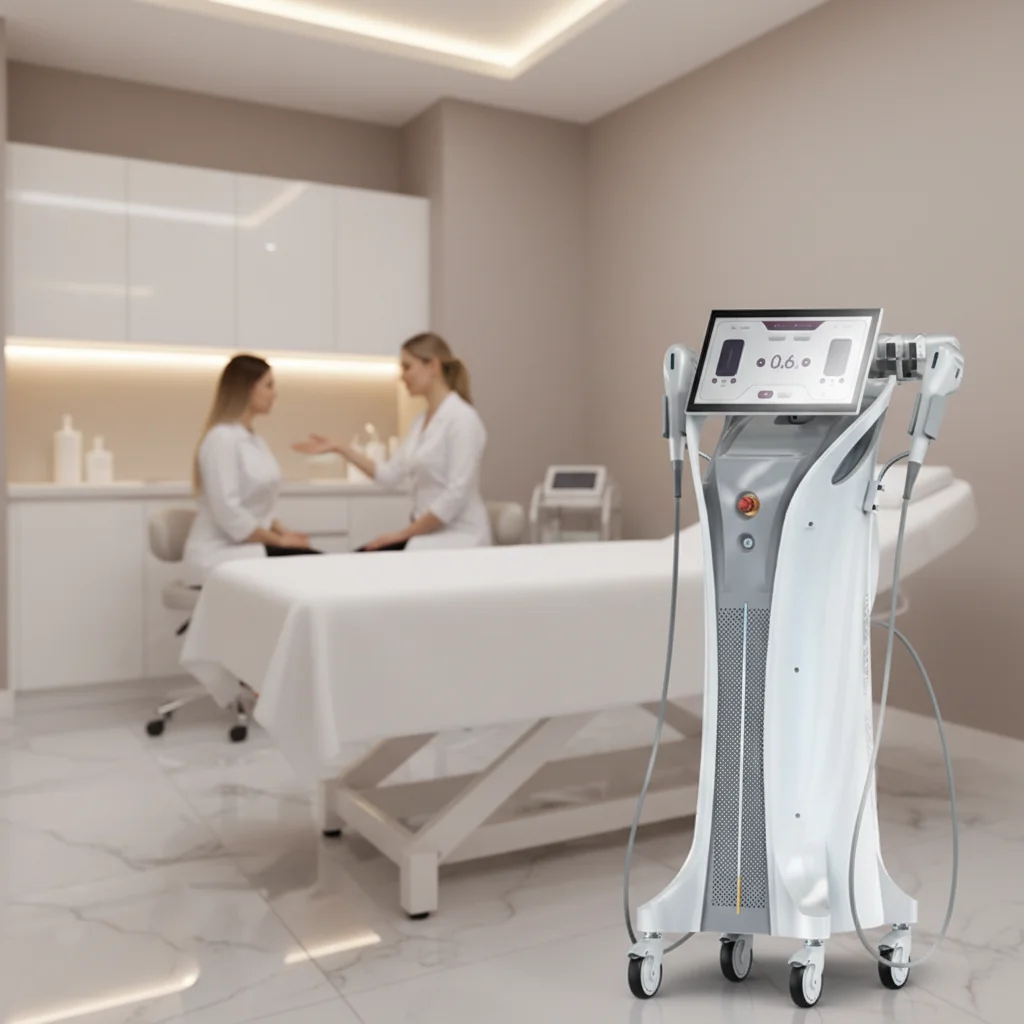
The pursuit of youthful, radiant skin has led patients to increasingly question the lasting value of their aesthetic investments. While traditional facials have long been the cornerstone of skincare routines, their temporary results often leave clients seeking more sustainable solutions. The emergence of High-Intensity Focused Ultrasound (HIFU) technology has fundamentally shifted patient preferences, offering a compelling alternative that delivers results lasting years rather than weeks. Understanding why patients are making this transition requires examining the stark differences in treatment longevity, cost-effectiveness over time, and the transformative nature of HIFU's collagen-stimulating mechanism.
The fundamental difference between HIFU and traditional facials lies in their approach to skin rejuvenation and the duration of their effects. Traditional facials primarily work on the skin's surface, providing immediate but short-lived improvements through exfoliation, hydration, and temporary plumping. In contrast, HIFU penetrates deep into the skin's foundational layers, triggering natural collagen production that continues for months after treatment. This biological regeneration process creates results that patients can observe and appreciate for 12 to 18 months, making HIFU an increasingly attractive option for those seeking long-term aesthetic value from their skincare investments.
The Science Behind HIFU's Extended Results
Deep Tissue Penetration and Collagen Stimulation
HIFU technology operates on a principle that traditional facials simply cannot replicate: the ability to deliver precise energy to specific depths within the skin without damaging the surface. This targeted approach allows HIFU treatments to reach the superficial muscular aponeurotic system (SMAS) layer, the same tissue layer addressed in surgical facelifts. By heating these deep tissues to temperatures between 60-70 degrees Celsius, HIFU triggers immediate collagen contraction and initiates a prolonged healing response that continues producing new collagen for months.
The collagen stimulation process induced by HIFU follows a predictable timeline that explains its extended results. Immediately following treatment, existing collagen fibers contract, providing some immediate tightening effect. Over the subsequent 2-3 months, the body's natural wound healing response kicks into high gear, producing fresh collagen to replace the deliberately damaged tissue. This neocollagenesis process continues for up to six months post-treatment, with patients typically seeing progressive improvement throughout this period.
Traditional facials, by comparison, work primarily through surface-level mechanisms such as exfoliation, hydration, and temporary product penetration. While these treatments can provide immediate improvements in skin texture and radiance, they do not trigger the deep structural changes that HIFU achieves. The molecular-level changes induced by focused ultrasound energy create a foundation for lasting improvement that traditional facial treatments cannot match.
Precise Energy Delivery and Treatment Depth Control
The technological sophistication of modern HIFU systems allows practitioners to deliver energy at multiple depths simultaneously, creating a comprehensive treatment approach that traditional facials cannot achieve. Advanced HIFU devices can target tissues at 1.5mm, 3.0mm, and 4.5mm depths, addressing different skin layers and concerns in a single session. This multi-depth approach ensures that the treatment addresses both superficial skin quality issues and deeper structural concerns.
The precision of HIFU energy delivery means that practitioners can customize treatments based on individual patient needs and facial anatomy. Areas requiring more intensive lifting, such as the jawline or brow area, can receive focused attention at deeper depths, while more delicate areas like the periorbital region can be treated with shallower penetration. This level of customization contributes to the longevity of results by ensuring that each treatment is optimally designed for the patient's specific concerns.
Traditional facials lack this precision and customization capability. While different facial techniques and products can be selected based on skin type and concerns, the fundamental limitations of surface-level treatment mean that these customizations have minimal impact on long-term results. The inability to target specific depths or trigger controlled tissue responses limits traditional facials to temporary improvements that require frequent maintenance.
Cost-Effectiveness and Long-Term Value Proposition
Financial Analysis of Treatment Frequency
When patients evaluate the true cost of their skincare investments, the financial advantage of HIFU becomes increasingly apparent. Traditional facials typically require monthly treatments to maintain optimal results, with many patients receiving treatments every 3-4 weeks for continuous benefit. Over an 18-month period, this frequency translates to 18-24 individual facial sessions, each requiring time away from work and ongoing financial commitment.
HIFU treatments, while requiring a higher initial investment, deliver results that last 12-18 months with a single session. This dramatic difference in treatment frequency creates substantial savings in both direct costs and opportunity costs. Patients often find that the total cost of maintaining their appearance with HIFU is significantly lower than the cumulative expense of regular facial treatments, even when factoring in the higher per-session cost of HIFU procedures.
The value proposition extends beyond pure financial considerations to include the convenience factor and treatment predictability. Patients appreciate the ability to schedule a single HIFU session and enjoy progressive improvements for over a year, rather than maintaining a regular appointment schedule that can be disrupted by travel, work commitments, or lifestyle changes. This convenience factor has become increasingly important to busy professionals who value both results and time efficiency.
Return on Investment and Treatment Satisfaction
Patient satisfaction surveys consistently demonstrate higher long-term satisfaction rates with HIFU compared to traditional facial treatments. This increased satisfaction stems partly from the dramatic difference in result duration, but also from the progressive nature of HIFU improvements. Unlike traditional facials that provide immediate gratification followed by gradual decline, HIFU treatments often show their best results 3-6 months post-treatment, creating a positive experience arc that reinforces patient satisfaction.
The investment return calculation for HIFU becomes even more favorable when considering the reduced need for complementary treatments. Patients who undergo HIFU often find they can reduce their use of expensive skincare products, other cosmetic procedures, and maintenance treatments during the 12-18 month result period. This comprehensive cost reduction contributes to the overall value proposition that drives patient preference toward HIFU treatments.
Professional feedback from aesthetic practitioners confirms that patients who choose HIFU treatments demonstrate higher treatment compliance and satisfaction scores compared to those following traditional facial regimens. The psychological benefits of seeing continuous improvement over months, rather than the cyclical ups and downs of short-term treatments, contribute significantly to overall patient satisfaction and treatment success.
Biological Mechanisms and Sustainable Skin Improvement
Collagen Architecture and Structural Enhancement
The biological foundation of HIFU's extended results lies in its ability to fundamentally alter the skin's collagen architecture. Traditional facials work primarily with existing collagen and elastin fibers, providing temporary improvements through hydration, product penetration, and surface treatment. HIFU, however, initiates a controlled wound healing response that results in the formation of new, more organized collagen structures throughout the treatment area.
This newly formed collagen exhibits superior structural properties compared to the existing aged collagen it replaces. The heat-induced coagulation points created by HIFU energy serve as anchoring sites for new collagen formation, creating a more robust support structure within the skin. This enhanced collagen architecture provides the foundation for sustained lifting, tightening, and texture improvement that can be maintained for 12-18 months without additional intervention.
The contrast with traditional facial treatments is stark in this regard. While facials can temporarily plump existing collagen through hydration and product application, they cannot alter the fundamental structure or create new supportive tissue. The improvements achieved through traditional facials are essentially cosmetic enhancements to existing structures, rather than the structural rebuilding that HIFU accomplishes.
Tissue Remodeling and Progressive Improvement
HIFU treatments trigger a tissue remodeling process that continues long after the initial treatment session, explaining why patients often report that their results improve over time rather than immediately declining. This remodeling process involves not only collagen production but also improvements in skin elasticity, texture, and overall tissue quality. The extended timeline of improvement creates a unique treatment experience where patients see progressive enhancement for months following their HIFU session.
The tissue remodeling induced by HIFU also affects the skin's support structures beyond just collagen. Elastin fiber organization improves, blood circulation enhances, and cellular turnover rates optimize during the healing process. These comprehensive improvements contribute to the natural, progressive enhancement that patients experience and help explain why HIFU results often appear more natural and sustainable than the temporary improvements achieved through traditional facial treatments.
Traditional facials, while beneficial for skin health and appearance, do not trigger significant tissue remodeling processes. The improvements achieved are primarily related to temporary hydration, surface texture enhancement, and product-based benefits that begin to diminish within days to weeks of treatment. This fundamental difference in biological mechanism explains why patients seeking long-term improvement increasingly choose HIFU over traditional facial options.
Patient Experience and Lifestyle Integration
Treatment Schedule and Convenience Factors
The lifestyle integration advantages of HIFU treatments represent a significant factor in patient preference, particularly among busy professionals and individuals with demanding schedules. Traditional facial regimens require consistent monthly or bi-weekly appointments to maintain results, creating an ongoing commitment that can be challenging to sustain. Patients often report difficulty maintaining regular facial appointment schedules due to travel, work demands, or personal commitments, leading to inconsistent results and frustration with the treatment approach.
HIFU's annual or bi-annual treatment schedule eliminates these scheduling challenges while providing superior results. Patients appreciate the ability to plan their aesthetic treatments around major life events, vacation schedules, or professional commitments without worrying about maintaining a complex treatment regimen. This scheduling flexibility has become increasingly important as patients seek aesthetic solutions that complement rather than complicate their lifestyles.
The psychological benefits of HIFU's extended treatment intervals extend beyond mere convenience. Patients report feeling less dependent on regular aesthetic interventions and more confident in their appearance sustainability. This psychological shift from maintenance-focused thinking to enhancement-focused planning represents a significant quality of life improvement that traditional facial treatments cannot provide.
Social and Professional Considerations
Professional and social considerations increasingly influence patient treatment choices, with HIFU offering distinct advantages in both areas. The minimal downtime associated with HIFU treatments allows patients to maintain their professional commitments without extended recovery periods or visible treatment effects. Traditional facials, while generally having minimal downtime, require frequent appointments that can interfere with work schedules and professional responsibilities.
The discrete nature of HIFU improvements also appeals to patients who prefer subtle, natural-looking enhancement over the more obvious effects that can result from frequent traditional facial treatments. Colleagues, friends, and family members often notice that HIFU patients look refreshed and youthful without being able to identify specific changes or treatment indicators. This natural appearance progression aligns with many patients' preferences for aesthetic improvement that enhances rather than obviously alters their appearance.
The confidence boost associated with sustained improvement rather than cyclical enhancement periods creates positive feedback loops in both professional and personal relationships. Patients report feeling more confident in important meetings, social events, and personal interactions when they know their appearance improvements are stable and progressive rather than dependent on recent treatment timing.
FAQ
How long do HIFU results typically last compared to traditional facials?
HIFU results typically last 12-18 months, with many patients seeing continued improvement for up to 6 months post-treatment followed by stable maintenance of results. Traditional facials provide immediate improvements that generally fade within 2-4 weeks, requiring monthly treatments to maintain optimal appearance. The dramatic difference in result duration is due to HIFU's ability to trigger deep collagen regeneration versus traditional facials' surface-level improvements.
Why do HIFU results improve over time while facial results diminish immediately?
HIFU results improve over time because the treatment triggers a controlled wound healing response that continues producing new collagen for 3-6 months post-treatment. The focused ultrasound energy creates coagulation points deep in the skin that serve as foundation points for new collagen formation. Traditional facials work primarily through surface hydration and product application, which begin to diminish as soon as the treatment products are metabolized or washed away.
Is the higher upfront cost of HIFU justified compared to regular facials?
Yes, when calculated over time, HIFU treatments typically cost less than maintaining equivalent results through traditional facials. A single HIFU session lasting 12-18 months costs less than 18-24 monthly facial treatments. Additionally, HIFU patients often reduce their need for expensive skincare products and other cosmetic procedures during the result period, creating additional cost savings beyond the direct treatment comparison.
Can patients combine HIFU with traditional facials for optimal results?
Yes, many patients successfully combine HIFU with traditional facials, using HIFU for structural improvement and deep collagen stimulation while using facials for surface-level skin health maintenance. However, most patients find that their need for frequent facials decreases significantly after HIFU treatment due to the overall improvement in skin quality and texture. The optimal combination approach typically involves annual HIFU treatments supplemented by quarterly rather than monthly facials.