


 EN
EN



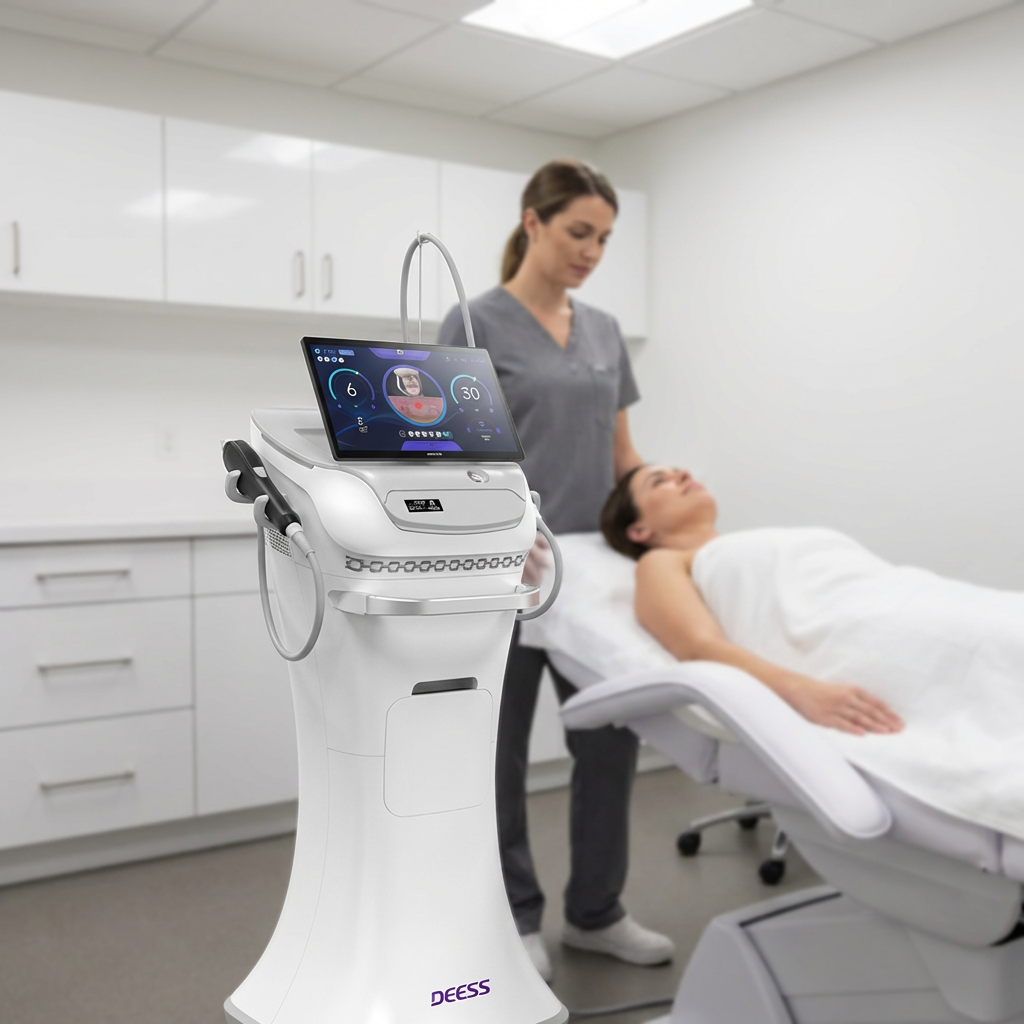
The design of an rf microneedling device extends far beyond its clinical capability. Modern practitioners recognize that how a device feels in hand, how it responds to movement, and how it reduces fatigue during extended treatment sessions directly impacts both the quality of results and the longevity of a thriving aesthetic practice. The ergonomic foundation of today's leading rf microneedling device technologies represents a thoughtful integration of clinical precision, operator comfort, and patient safety into a single coherent system.
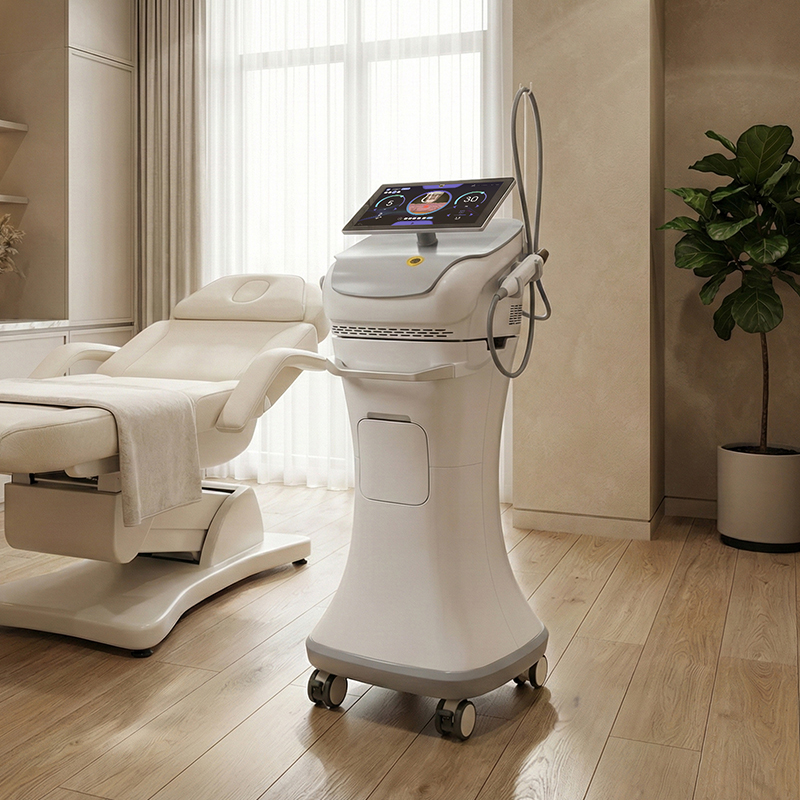
An rf microneedling device engineered with operator comfort at its core enables practitioners to maintain precise hand positioning, consistent energy delivery, and optimal visualization of the treatment area throughout extended clinic hours. When an rf microneedling device places excessive weight or requires awkward grip angles, practitioner fatigue sets in quickly, compromising treatment consistency and increasing the risk of patient discomfort. The innovation behind today's best rf microneedling device models reflects a deeper understanding that ergonomic design is not a luxury feature but rather a clinical requirement for delivering safe, reproducible, and professional results.
Handpiece Weight Distribution and Balance
Strategic Mass Centering
A well-designed rf microneedling device distributes its operational mass in ways that reduce strain on the wrist and forearm. When the active tip of an rf microneedling device sits too far forward or when heavy components concentrate at the distal end, operators experience compounding fatigue stress during extended sessions. Modern rf microneedling device engineering places heavier components, such as radio frequency generators and cooling systems, within the base station rather than the handheld portion. This strategic distribution ensures an rf microneedling device remains light enough for precision work while maintaining the power delivery necessary for clinical efficacy.
Grip Zone Comfort Optimization
The grip section of an rf microneedling device must accommodate various hand sizes and support multiple grip styles without causing pressure points or slipping. Advanced rf microneedling device designs incorporate ergonomic contouring that guides the hand into the most neutral wrist position possible during treatment. Textured, temperature-neutral materials in the grip zone of an rf microneedling device prevent perspiration buildup and reduce repetitive strain injuries common in aesthetic medicine. When an rf microneedling device grip combines these features thoughtfully, practitioners report greater control, reduced hand fatigue, and improved treatment consistency even after eight hours of continuous clinical work.
Control Interface Accessibility and Responsiveness
Intuitive Button Placement
An rf microneedling device must position its key controls within easy reach of the operator's natural thumb and finger positioning without requiring hand repositioning during treatment. Leading rf microneedling device models integrate power modulation, tip selection, and energy adjustment buttons directly into the handpiece so practitioners never need to remove their attention from the treatment area. When controls on an rf microneedling device require looking down or reaching awkwardly, treatment rhythm suffers and patient safety may be compromised. Thoughtfully placed buttons on a modern rf microneedling device allow real-time adjustments without interrupting the procedural flow, significantly enhancing both practitioner confidence and clinical precision.
Tactile Feedback and Responsiveness
The tactile response of an rf microneedling device during active treatment provides critical information about energy delivery, skin contact, and treatment progress. A well-engineered rf microneedling device communicates its operational status through haptic feedback, audible tones, and visual displays that work together to keep the operator fully informed. This multi-sensory feedback loop means an rf microneedling device operator can detect impedance changes, energy fluctuations, or improper tip contact immediately and adjust technique in real-time. Devices lacking this responsiveness force practitioners to rely on visual inspection alone, reducing their ability to maintain consistent treatment parameters and increasing the likelihood of uneven results.
Visualization and Treatment Area Exposure
Optical Design for Clear Sightlines
An rf microneedling device with poor visibility of the treatment area forces practitioners into uncomfortable postures as they attempt to see past the handpiece to the skin being treated. Modern rf microneedling device engineering incorporates optical geometry that keeps the practitioner's line of sight clear while the handpiece delivers energy. This design principle means an rf microneedling device operator maintains neutral head and neck positioning throughout treatment, dramatically reducing neck and shoulder strain. When an rf microneedling device is designed with visibility as a core principle, practitioners can work efficiently from a standing position with proper ergonomic support, rather than bending or twisting to compensate for poor sightlines.
Energy Delivery and Safety Indicators
Practitioners rely on real-time feedback from an rf microneedling device to confirm proper positioning and energy delivery. An advanced rf microneedling device integrates illumination, audible confirmation tones, and visual readouts that eliminate guesswork about whether each pass is delivering optimal treatment parameters. This transparency in an rf microneedling device's operation reduces unnecessary repeat passes and minimizes the learning curve for new operators. When an rf microneedling device provides clear, immediate feedback about its operational state, practitioners work more confidently and efficiently, achieving superior clinical outcomes while maintaining better body mechanics throughout the treatment day.
Frequently Asked Questions
How does ergonomic design in an rf microneedling device improve treatment outcomes?
Ergonomic excellence in an rf microneedling device directly enables consistent technique, reduces fatigue-related errors, and allows practitioners to maintain optimal positioning throughout extended treatment sessions. When an rf microneedling device is comfortable to use, practitioners can focus entirely on clinical decision-making and precise energy delivery rather than managing discomfort or strain. This mental and physical focus translates directly into more uniform energy distribution, better patient outcomes, and stronger treatment consistency across multiple sessions.
What specific ergonomic features should practitioners prioritize when selecting an rf microneedling device?
The most critical ergonomic features of an rf microneedling device include lightweight yet balanced construction, strategically positioned controls, clear treatment area visibility, and tactile feedback systems. Practitioners should test an rf microneedling device hands-on for at least fifteen minutes to assess grip comfort, control accessibility, and overall balance. Additionally, an rf microneedling device should support neutral wrist positioning and accommodate various hand sizes without requiring grip adjustments during treatment. Investing time in selecting an rf microneedling device with superior ergonomics pays dividends in reduced operator fatigue, improved patient satisfaction, and enhanced clinical precision over years of practice.
Why does an rf microneedling device's weight distribution matter more than total weight?
An rf microneedling device's weight distribution determines how strain accumulates in the practitioner's hand, wrist, and forearm during extended use. A heavier rf microneedling device with optimal weight distribution centered at the base causes less cumulative fatigue than a lighter device with poor balance that forces compensatory muscle engagement. This principle explains why an rf microneedling device engineered with intelligent mass placement outperforms lighter alternatives that concentrate weight inefficiently. Practitioners using properly balanced rf microneedling device technology report significantly reduced end-of-day soreness and better treatment consistency across full clinic schedules.