radio frequency microneedling machine
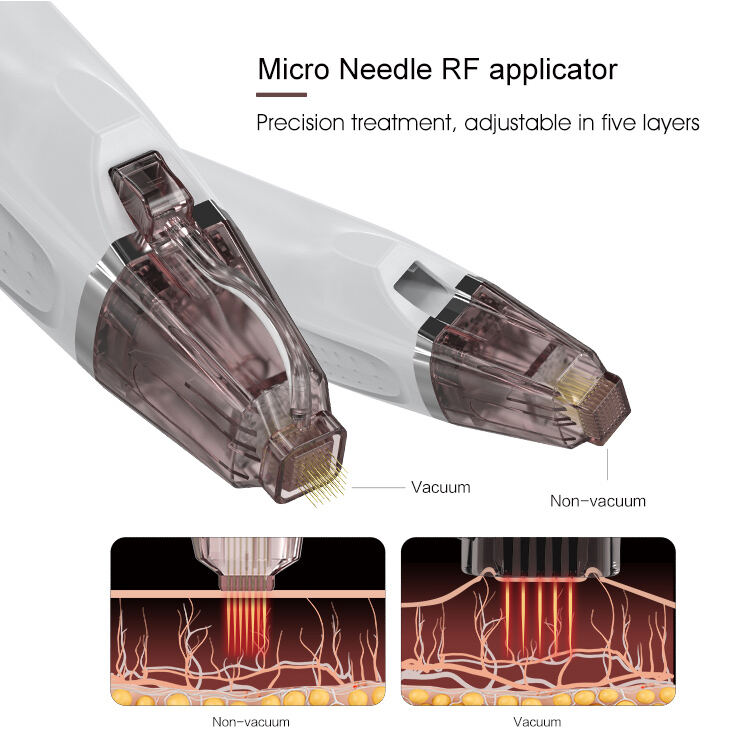
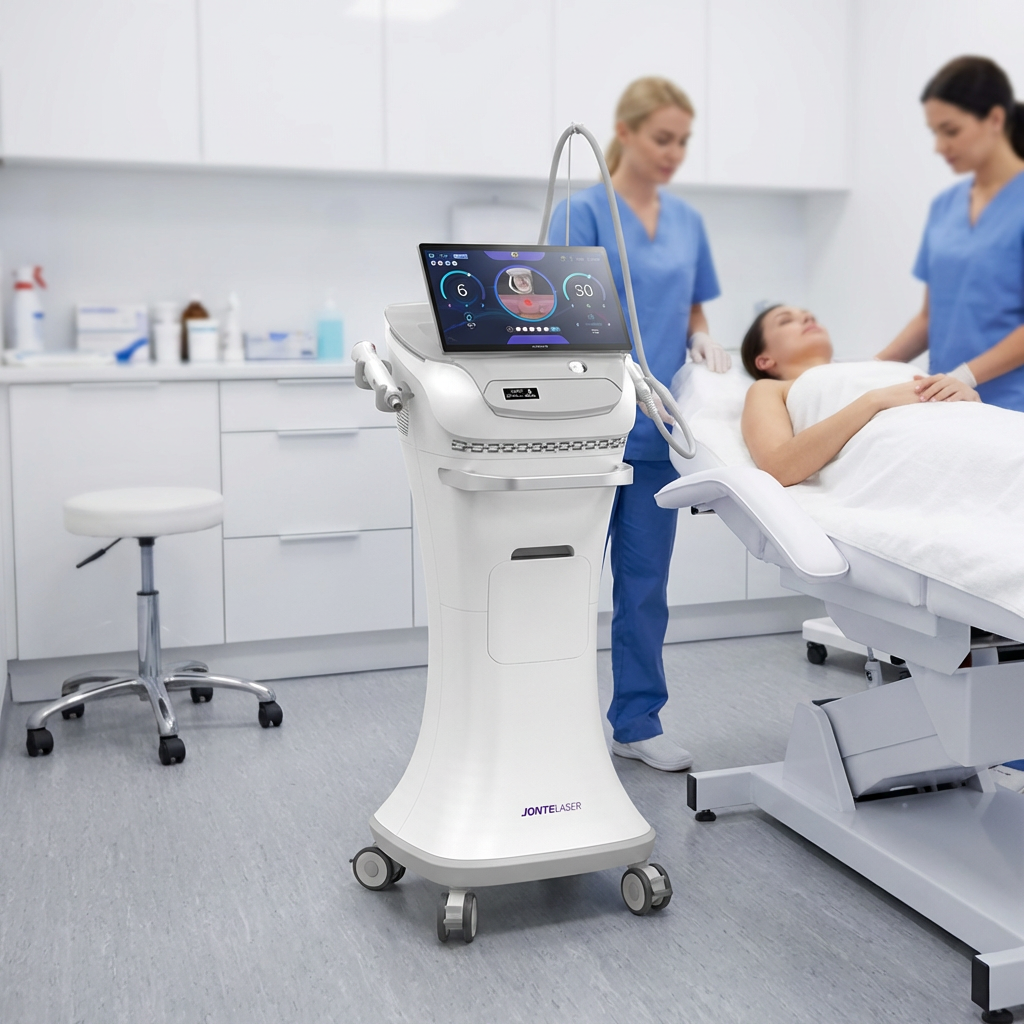
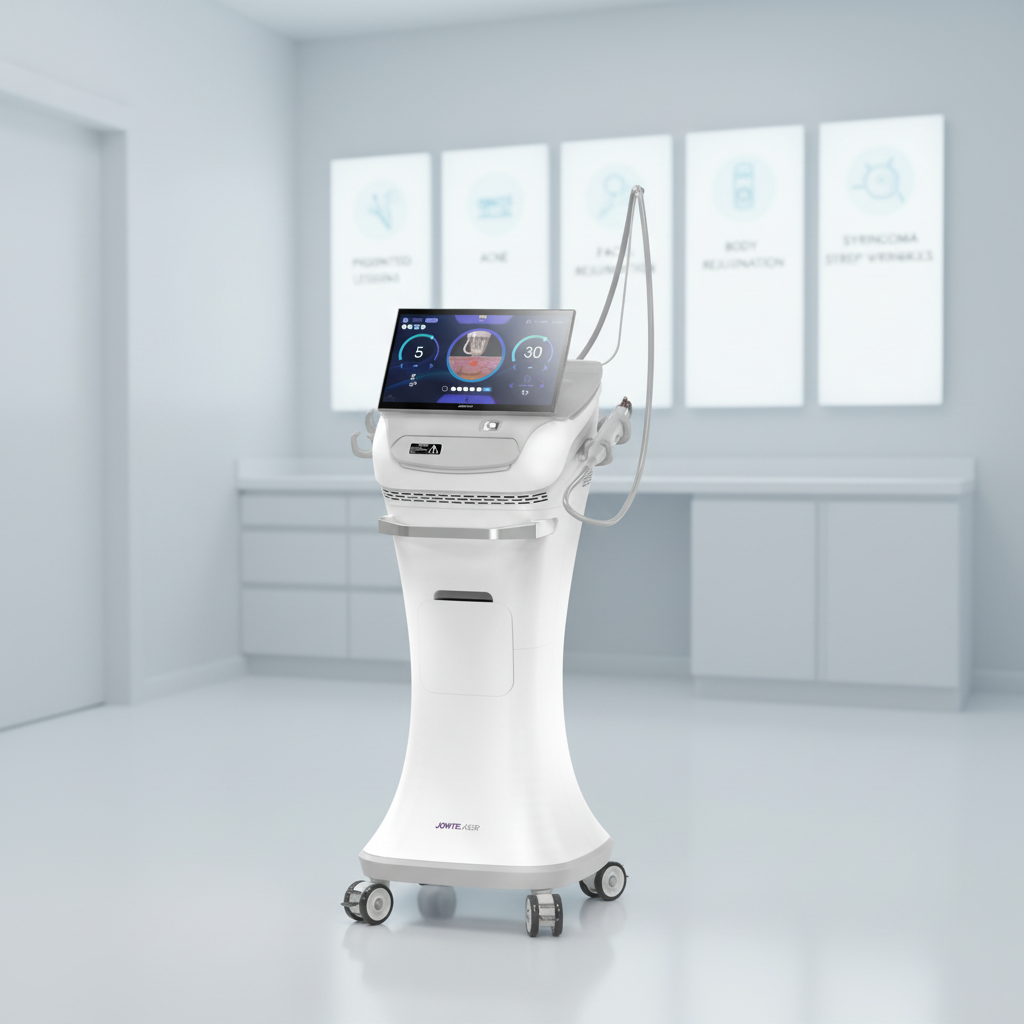
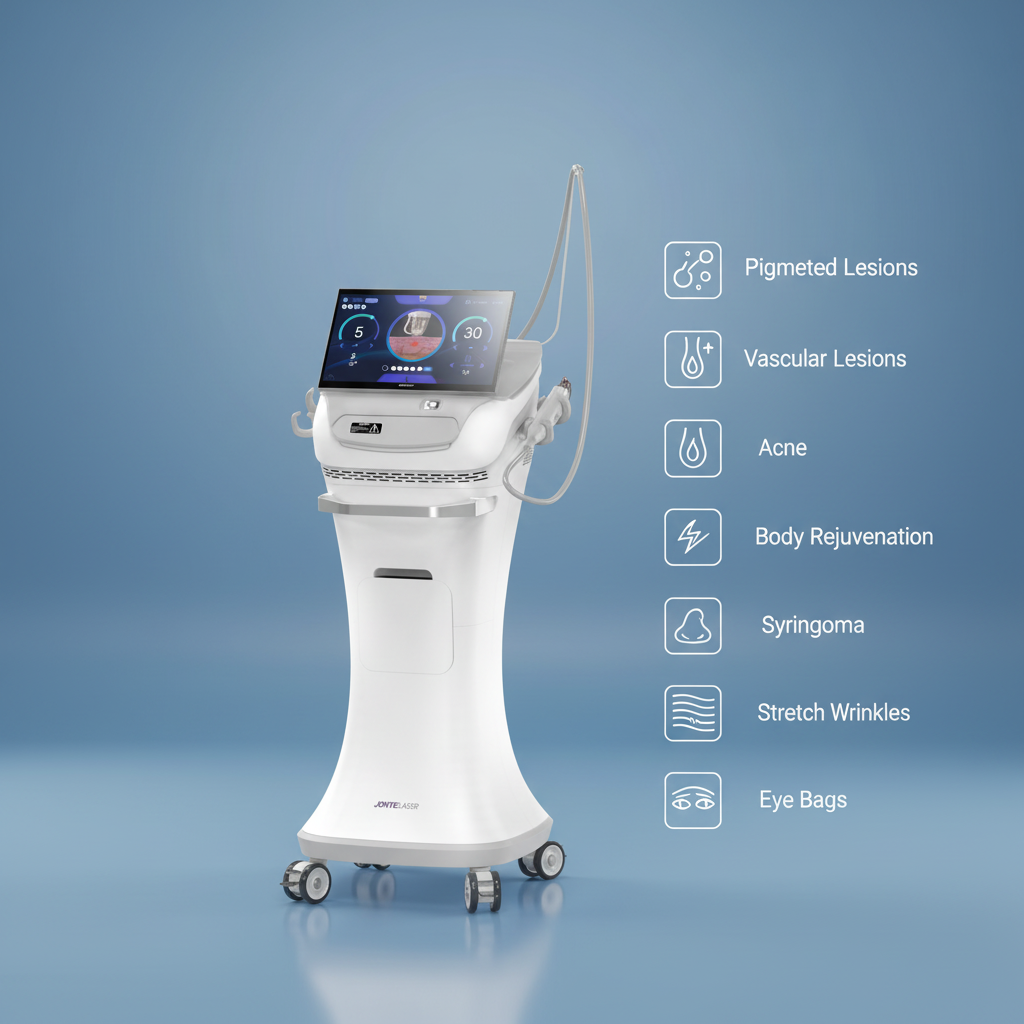
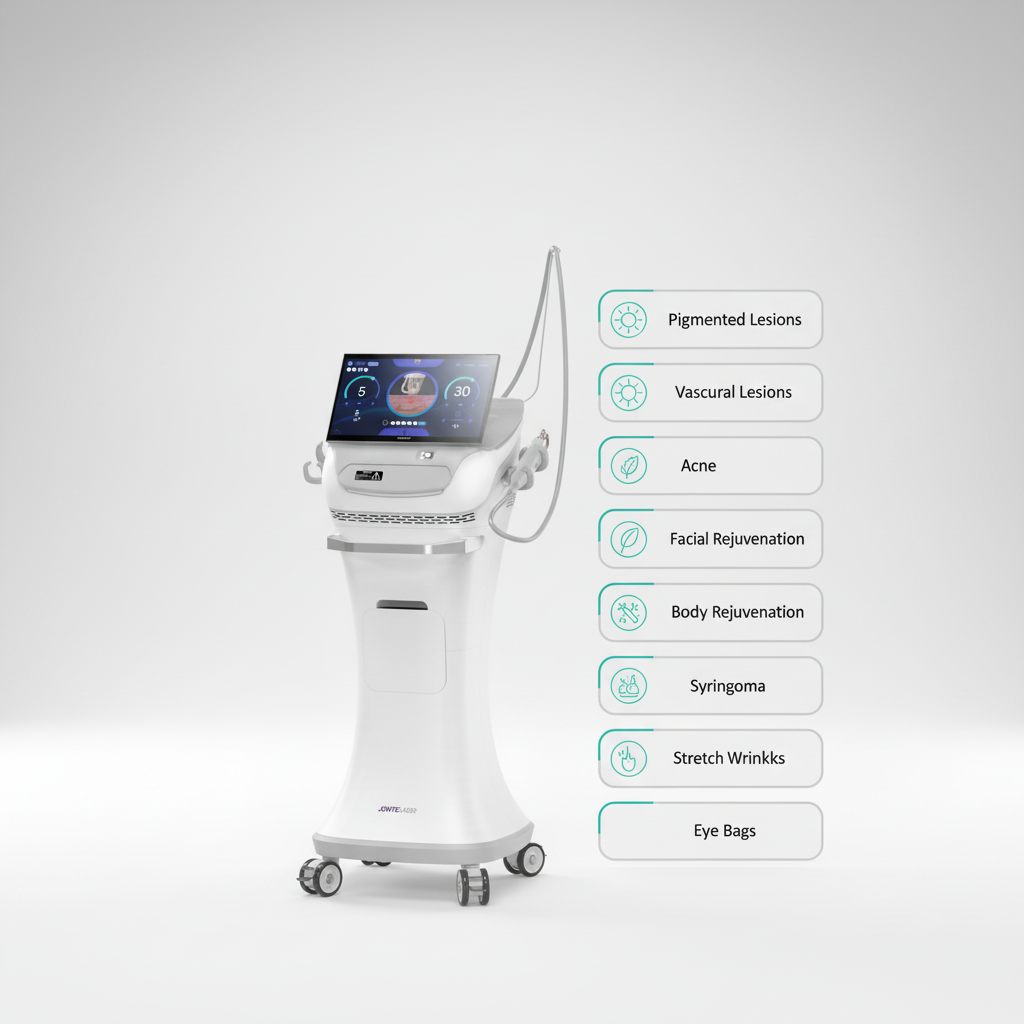
The radio frequency microneedling machine represents a groundbreaking advancement in aesthetic technology, combining traditional microneedling techniques with sophisticated radiofrequency energy delivery. This innovative device creates controlled micro-injuries in the skin while simultaneously delivering targeted thermal energy to deeper dermal layers. The radio frequency microneedling machine operates through precision-engineered needles that penetrate the skin at predetermined depths, ranging from 0.5mm to 3.5mm, allowing practitioners to customize treatment protocols based on individual patient needs and specific skin concerns. The integrated radiofrequency component generates heat within the tissue, stimulating natural collagen production and promoting cellular regeneration processes. This dual-action approach maximizes treatment efficacy while minimizing patient downtime compared to traditional standalone procedures. The radio frequency microneedling machine incorporates advanced temperature monitoring systems that ensure consistent energy delivery throughout each treatment session. Modern units feature programmable settings that allow precise control over needle depth, radiofrequency intensity, and pulse duration. The technology addresses multiple skin concerns simultaneously, including fine lines, wrinkles, acne scarring, stretch marks, and skin laxity. Clinical applications extend beyond facial treatments to include body contouring and skin tightening procedures on various anatomical areas. The radio frequency microneedling machine utilizes insulated needles that protect the epidermis from excessive heat exposure while concentrating thermal energy in target tissue zones. This selective heating mechanism promotes neocollagenesis and elastogenesis, resulting in improved skin texture, tone, and overall appearance. The device's versatility makes it suitable for all skin types and phototypes, expanding treatment possibilities for diverse patient populations. Safety features include automatic needle sterilization systems, real-time impedance monitoring, and emergency stop functions that ensure optimal patient protection during procedures.


 EN
EN