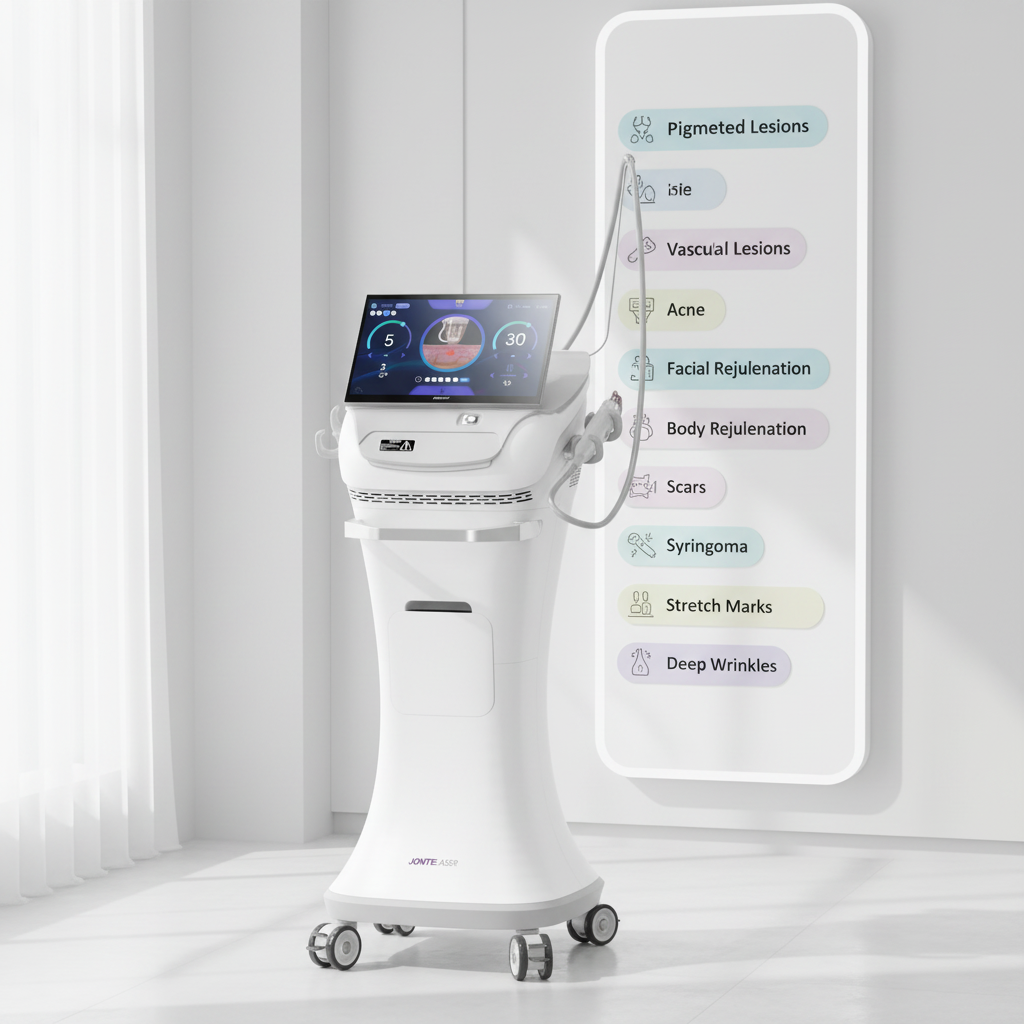
Versatile Treatment Applications and Practice Integration Benefits
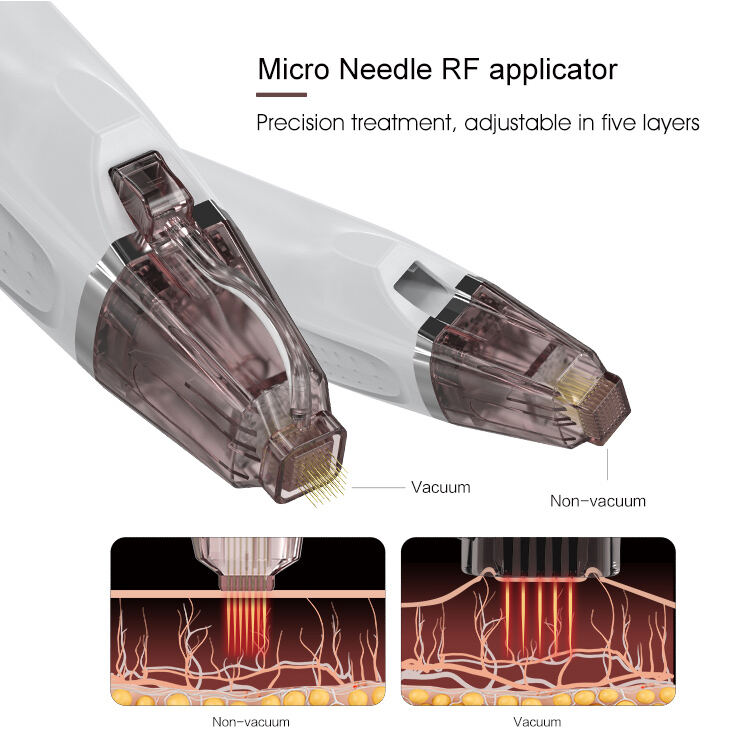
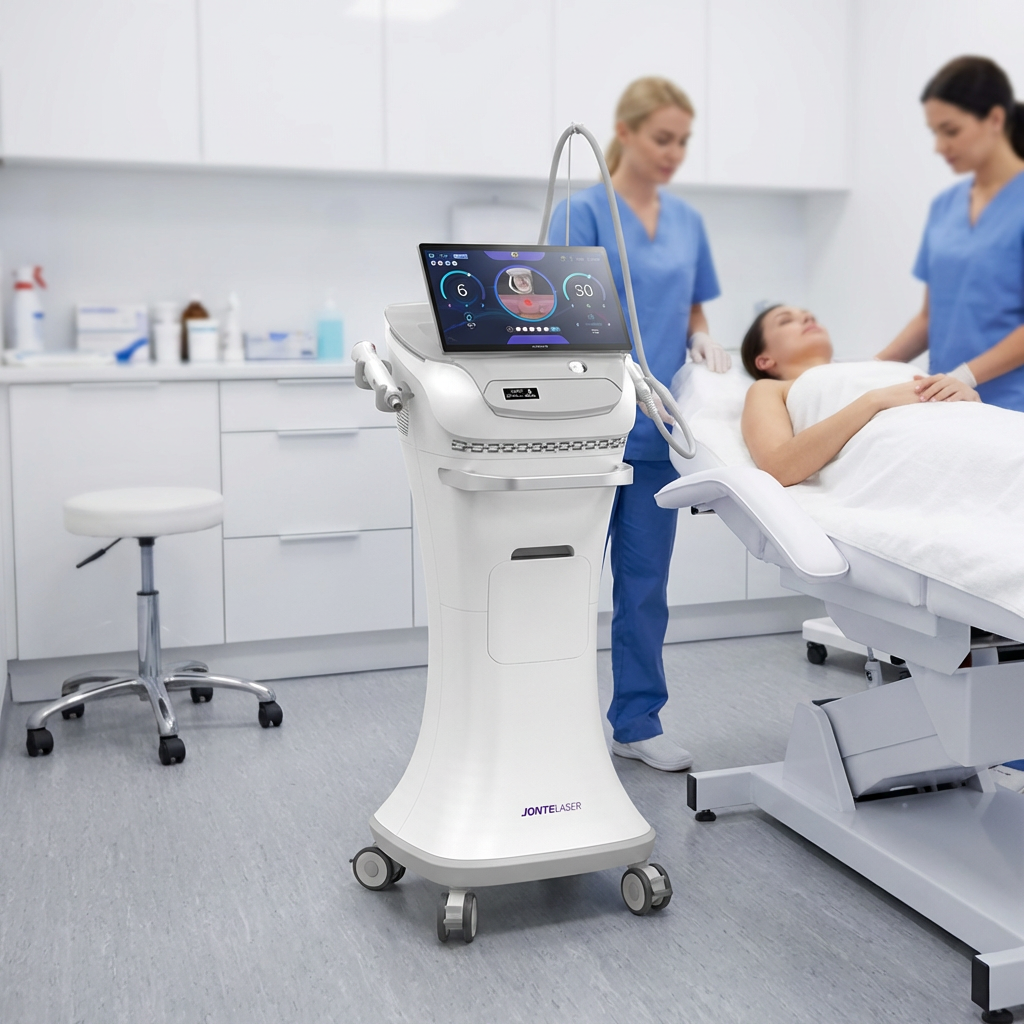
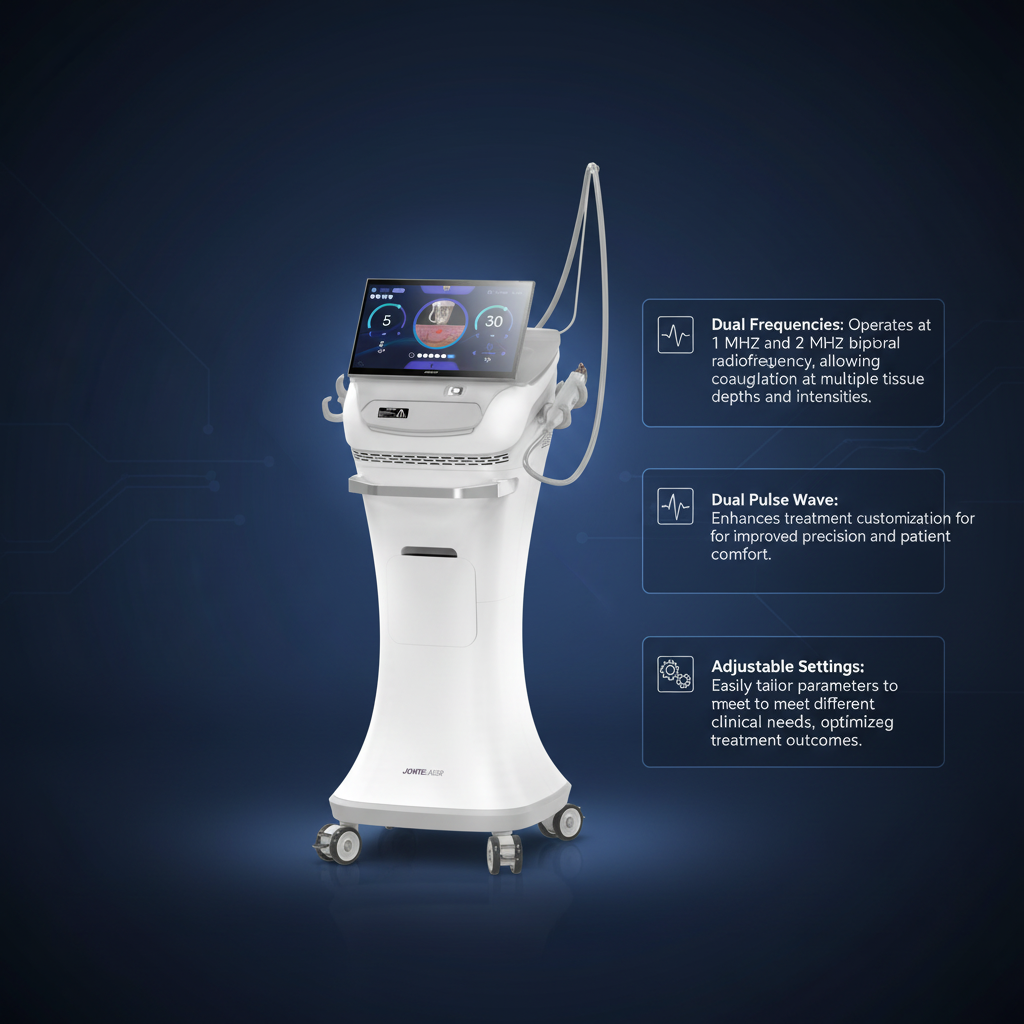
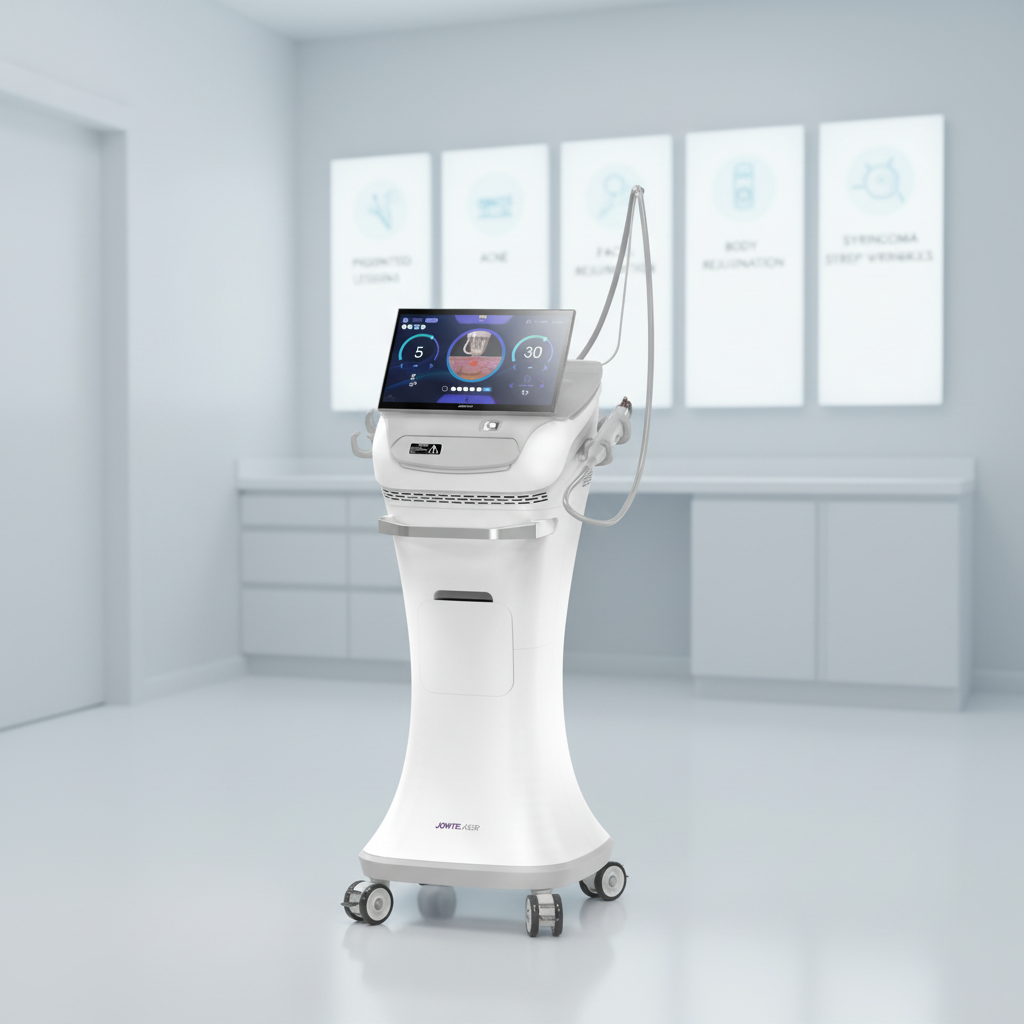
Professional rf microneedling devices offer exceptional versatility in treatment applications, making them valuable investments for aesthetic practices seeking comprehensive solutions for diverse patient populations and skin concerns. This adaptability extends across multiple treatment areas, patient demographics, and clinical objectives, providing practitioners with a single platform capable of addressing numerous aesthetic concerns that previously required multiple specialized devices or treatment modalities. The facial applications of professional rf microneedling devices encompass a broad range of concerns including acne scarring, fine lines, wrinkles, skin texture irregularities, enlarged pores, hyperpigmentation, and overall skin laxity. The ability to adjust treatment parameters allows practitioners to customize approaches for different facial areas, accounting for varying skin thickness and sensitivity levels across the face and neck regions. Beyond facial treatments, these devices excel in body applications, addressing concerns such as stretch marks, surgical scars, cellulite appearance, and skin laxity on areas like the abdomen, thighs, arms, and décolletage. This body treatment capability significantly expands revenue opportunities for practices while providing comprehensive patient care under a single treatment platform. The integration benefits for aesthetic practices prove substantial, as professional rf microneedling devices can replace multiple single-purpose devices while providing superior treatment outcomes. This consolidation reduces equipment costs, simplifies staff training requirements, and streamlines treatment protocols. The relatively quick treatment sessions, typically lasting 30 to 60 minutes depending on treatment area size, allow practices to accommodate more patients daily while maintaining high service quality. Professional rf microneedling devices also demonstrate excellent compatibility with other aesthetic treatments, creating opportunities for combination therapy protocols that enhance overall results. These devices can be effectively combined with topical treatments, chemical peels, and other non-invasive procedures to create comprehensive treatment programs tailored to individual patient needs. The minimal downtime associated with these treatments makes them attractive options for patients with busy schedules, expanding the potential patient base for practices offering these services.


 EN
EN