cryolipolysis machine exporter
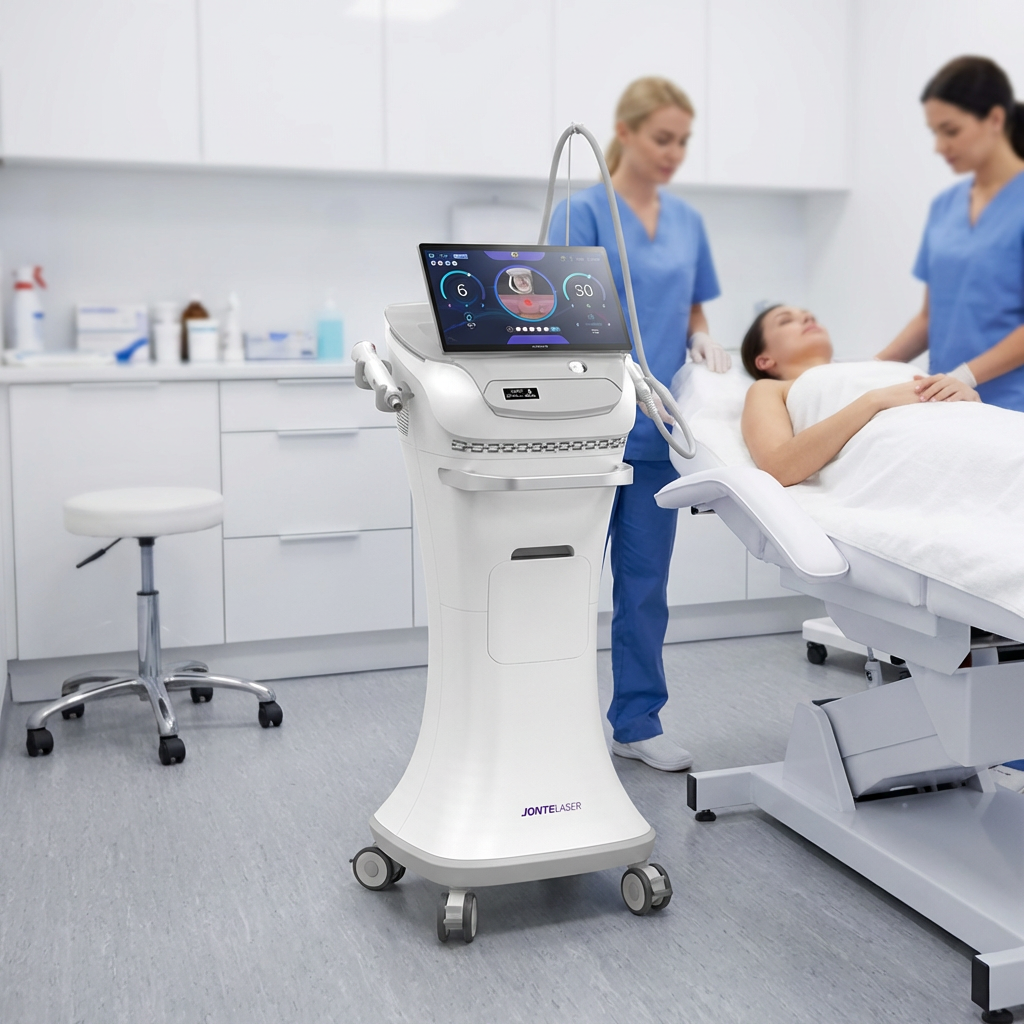
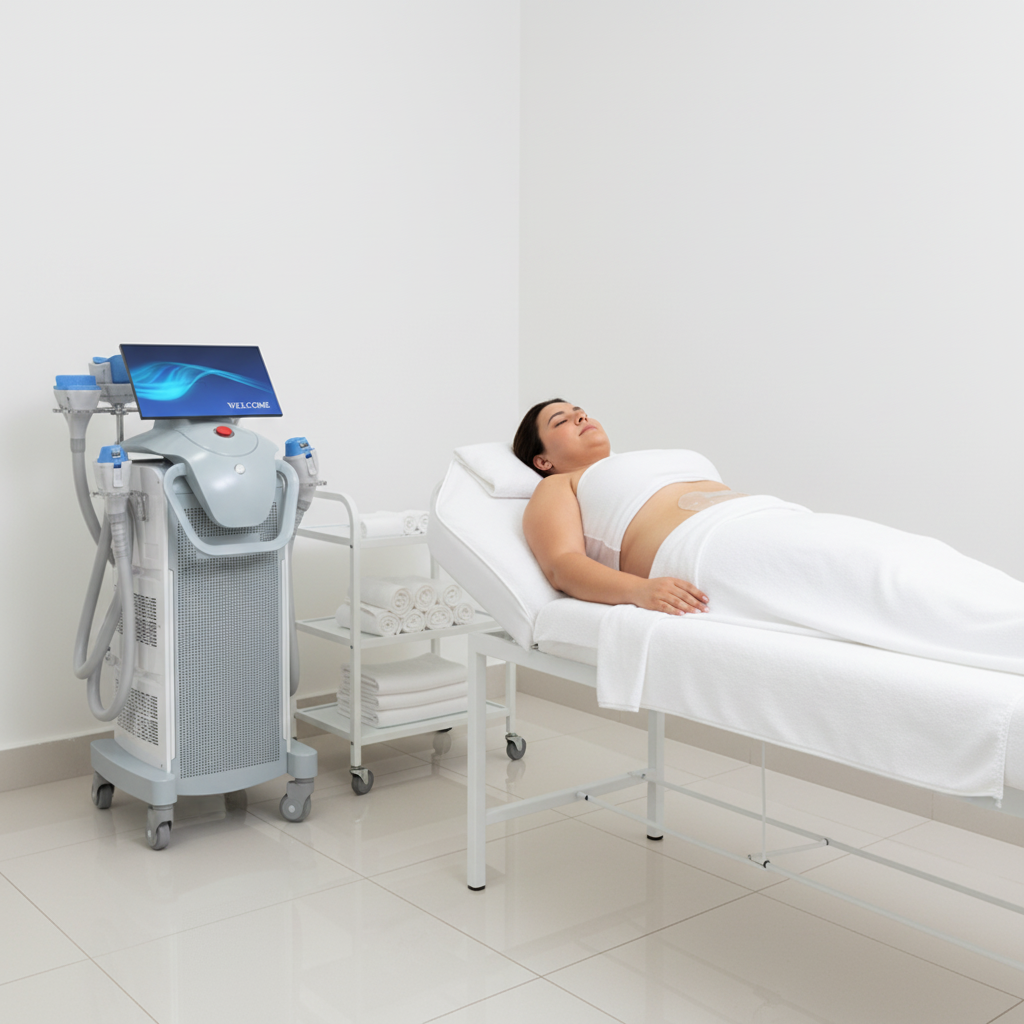
A cryolipolysis machine exporter serves as a crucial intermediary in the global distribution of advanced fat reduction technology. These specialized exporters focus on delivering cutting-edge cryolipolysis equipment to international markets, connecting manufacturers with medical professionals, aesthetic clinics, and wellness centers worldwide. The primary function of a cryolipolysis machine exporter involves sourcing high-quality cooling technology devices that utilize controlled freezing temperatures to eliminate stubborn fat cells permanently. These machines employ sophisticated thermal management systems that precisely target adipose tissue while protecting surrounding skin and muscle structures. The technological features of exported cryolipolysis equipment include multi-zone cooling capabilities, real-time temperature monitoring, and automated safety protocols that ensure consistent treatment outcomes. Modern units feature ergonomic applicator designs that conform to various body contours, enabling practitioners to treat multiple areas effectively. The export process encompasses comprehensive quality assurance testing, international certification compliance, and thorough documentation to meet diverse regulatory standards across different countries. Applications for these machines span numerous medical and aesthetic fields, including dermatology clinics, cosmetic surgery centers, medical spas, and wellness facilities. Professional cryolipolysis machine exporters maintain extensive networks with certified manufacturers, ensuring access to the latest technological innovations and FDA-approved devices. They provide comprehensive support services including technical training, maintenance protocols, and ongoing customer assistance to facilitate successful implementation. The export business model emphasizes building long-term partnerships with international distributors and end-users, focusing on delivering reliable equipment that meets stringent medical device standards. These exporters often specialize in specific geographic regions, understanding local market requirements, import regulations, and cultural preferences that influence purchasing decisions.


 EN
EN