


 EN



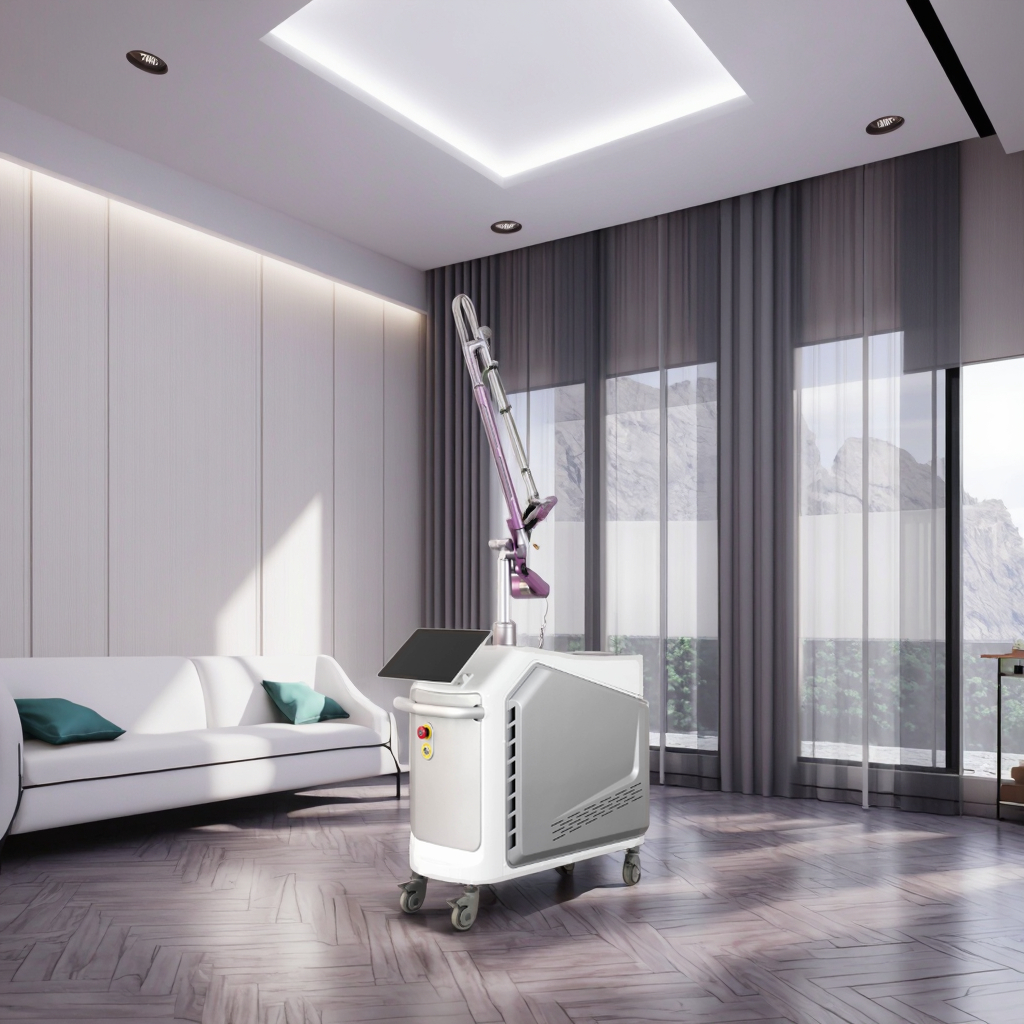
Tattoo removal has evolved dramatically over the past decade, and the introduction of the picosecond laser machine has fundamentally changed how practitioners approach unwanted ink elimination. Unlike older nanosecond laser systems, a picosecond laser machine operates at trillionths of a second, delivering energy in shorter pulses that shatter tattoo pigment with unprecedented efficiency. This technological leap means faster clearance rates, fewer treatment sessions, and superior results for patients seeking to remove or fade tattoos. For medical professionals, dermatologists, and aesthetic clinics, understanding why a picosecond laser machine represents the fastest solution available is critical to offering cutting-edge tattoo removal services.

The speed advantage of a picosecond laser machine stems from its revolutionary pulse duration technology. When tissue encounters the ultra-short bursts of laser energy produced by a picosecond laser machine, pigment particles fragment into smaller, more easily eliminated debris. The body's lymphatic system then removes these microscopic particles more rapidly than with conventional laser treatments. This mechanism explains why patients using a picosecond laser machine experience visible ink fading after fewer sessions and with reduced risk of collateral skin damage. Understanding this physics-based advantage clarifies why clinics investing in a picosecond laser machine gain a significant competitive edge in the tattoo removal market.
How Picosecond Pulse Duration Accelerates Ink Elimination
Photoacoustic Effect and Pigment Fragmentation
A picosecond laser machine generates its speed advantage through the photoacoustic effect, a phenomenon where ultra-short laser pulses create pressure waves that mechanically shatter tattoo pigment. Traditional nanosecond lasers deliver energy over longer timeframes, causing more heat diffusion into surrounding tissue and less precise ink targeting. In contrast, a picosecond laser machine concentrates energy density so intensely that pigment shatters into sub-micron particles—often ten to one hundred times smaller than fragments created by older technologies. This superior fragmentation directly correlates to faster clearance because smaller particles traverse the lymphatic system more efficiently. Clinics using a picosecond laser machine report pigment elimination rates that are often 40% to 50% faster than nanosecond alternatives, dramatically reducing the total number of treatment sessions patients endure.
Wavelength Versatility and Multi-Color Removal
A picosecond laser machine typically operates across multiple wavelengths—commonly 1064nm, 532nm, 755nm, and 405nm—each targeting specific ink colors. This wavelength diversity means a picosecond laser machine can address the entire visible spectrum of tattoo pigments in single treatment sessions, rather than requiring sequential laser modalities. Black ink responds optimally to 1064nm wavelengths, while greens and blues respond to 532nm, and reds benefit from 755nm delivery. By consolidating multi-color removal into one picosecond laser machine, practitioners eliminate downtime between different laser appointments and accelerate overall ink removal velocity. Patients see faster, more comprehensive results, making a picosecond laser machine the speed leader in multi-color tattoo elimination.
Clinical Evidence Supporting Picosecond Laser Machine Superiority
Treatment Session Reduction and Patient Timeline Acceleration
Clinical studies comparing a picosecond laser machine to nanosecond lasers demonstrate consistent evidence of faster tattoo clearance. Patients treated with a picosecond laser machine achieve 75% to 90% ink removal in 6 to 8 sessions, while traditional nanosecond systems typically require 10 to 15 sessions for comparable results. This reduction in session count directly translates to shorter overall treatment timelines—often cutting patient commitment from 18 to 24 months down to 12 to 14 months. For aesthetic practices, this faster outcome delivery increases patient satisfaction, reduces long-term follow-up overhead, and enables higher treatment throughput. A picosecond laser machine thus represents both a clinical and operational speed advantage that nanosecond alternatives cannot match. The faster healing between sessions with a picosecond laser machine also means patients can schedule treatments at shorter intervals, further accelerating the removal timeline.
Reduced Side Effects and Safety Profile
The precision of a picosecond laser machine contributes to its speed advantage in another critical way: minimized collateral thermal damage to surrounding skin. Because a picosecond laser machine delivers energy in ultra-short bursts, heat has minimal time to diffuse into healthy tissue, reducing post-treatment inflammation, scarring risk, and skin texture changes. Patients experience less downtime between sessions, can resume normal activities faster, and suffer fewer adverse reactions. This safety profile enables practitioners to space a picosecond laser machine treatments more closely together without exceeding safe healing intervals. The combination of faster pigment elimination, reduced side effects, and shorter healing windows makes a picosecond laser machine the objectively fastest solution available today for tattoo removal applications.
Why Speed Matters in Tattoo Removal Practice Management
Patient Satisfaction and Retention Outcomes
Patients seeking tattoo removal prioritize visible results and shortened treatment duration. A picosecond laser machine directly satisfies both demands by delivering faster ink clearance than competing modalities. When patients see tangible fading after each session and complete removal within 8 to 10 months instead of 20 months, satisfaction scores rise substantially. This accelerated outcome timeline converts curious prospects into committed patients and encourages referrals to friends and family. Practices investing in a picosecond laser machine report higher patient retention rates and increased case volumes because word-of-mouth marketing from satisfied patients drives consistent demand. The speed advantage of a picosecond laser machine thus creates a virtuous cycle of patient satisfaction, referrals, and business growth that slower laser systems cannot replicate.
Clinical Efficiency and Revenue Optimization
From an operational standpoint, a picosecond laser machine improves practice efficiency by reducing total treatment sessions per patient and enabling higher patient throughput per week. If a patient requires 8 sessions with a picosecond laser machine versus 14 sessions with a nanosecond system, the practice completes removal faster, frees appointment slots earlier, and maintains steadier cash flow. A picosecond laser machine also commands premium pricing compared to older laser technologies, justifying the initial capital investment through improved treatment fees. Practices using a picosecond laser machine leverage faster tattoo removal as a key marketing differentiator, attracting price-conscious and time-sensitive patient demographics. The combination of faster patient outcomes, higher treatment fees, and improved appointment efficiency makes a picosecond laser machine a speed-driven revenue multiplier for aesthetic and dermatological practices.
FAQ
What makes a picosecond laser machine faster than nanosecond lasers?
A picosecond laser machine operates with pulse durations one thousand times shorter than nanosecond lasers, enabling the photoacoustic effect to shatter pigment into smaller fragments more efficiently. These micro-fragments are cleared by the lymphatic system faster, resulting in visible ink fading within fewer treatment sessions. The concentrated energy delivery of a picosecond laser machine also minimizes thermal damage, allowing shorter intervals between sessions and accelerating overall removal timelines.
How many sessions does a picosecond laser machine typically require for complete tattoo removal?
Most tattoos treated with a picosecond laser machine achieve 75% to 90% clearance within 6 to 8 sessions, compared to 10 to 15 sessions with traditional lasers. Complete removal timelines are typically 12 to 14 months with a picosecond laser machine, significantly faster than the 18 to 24 months required by older technologies. Session spacing with a picosecond laser machine can often be reduced to 6 to 8 week intervals due to minimal side effects and rapid healing.
Does a picosecond laser machine work on all tattoo colors?
Yes, a modern picosecond laser machine includes multiple wavelengths—1064nm, 532nm, 755nm, and 405nm—to target every visible ink color spectrum. Black and dark ink respond to 1064nm, green and blue to 532nm, red to 755nm, and light blue to 405nm. A single picosecond laser machine can therefore address multi-color tattoos in unified treatment sessions, eliminating the need for separate laser modalities and further accelerating the removal process.