


 EN
EN



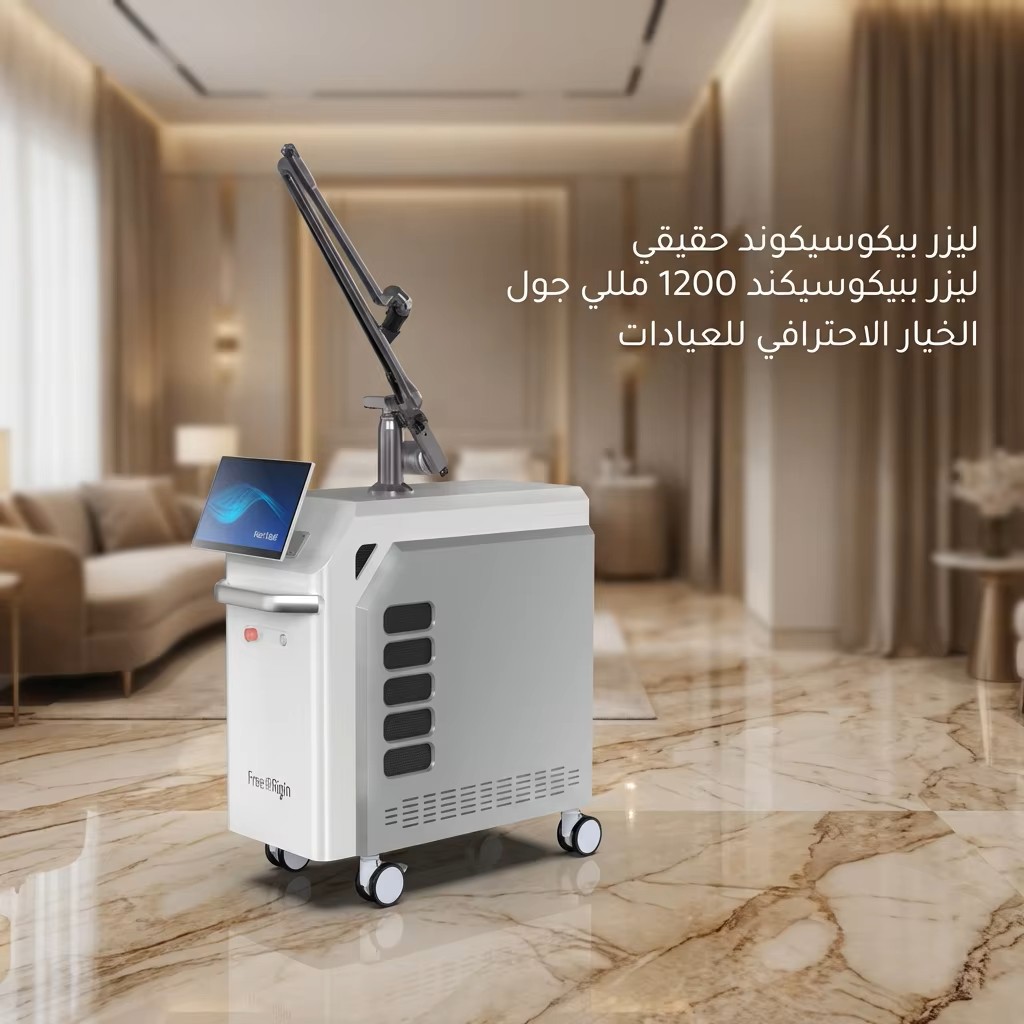
For a professional medical aesthetic website like JONTELASER, this topic is a high-traffic "Golden Keyword." When explaining the effectiveness of picosecond lasers for melasma and dark spots, you need to highlight the transition from Photo-thermal to Photo-acoustic technology.
Here is a professional breakdown (English version) optimized for your blog or product description, followed by SEO tags.
Why Picosecond Laser is the Ultimate Solution for Melasma and Dark Spots
In the world of laser dermatology, the Picosecond laser represents a quantum leap in technology. Unlike traditional Q-switched lasers that have been used for decades, picosecond technology operates at a speed of one-trillionth of a second. This ultra-short pulse duration is exactly why it is exceptionally effective for stubborn pigmentary issues like melasma and deep-seated dark spots.
1. The Photo-Acoustic Effect: Shattering vs. Heating
Traditional lasers (Nanosecond/Q-switch) rely on a photo-thermal effect, meaning they use intense heat to break down pigment. However, heat can be a "double-edged sword"—excessive heat can trigger inflammation and worsen melasma (rebound hyperpigmentation).
Picosecond lasers use a photo-acoustic effect. The pulse is so fast that it creates a mechanical pressure wave that shatters the melanin into tiny, "dust-like" particles without overheating the surrounding skin tissue.
2. "Dust" vs. "Pebbles": Easier Clearance
Because the pigment is shattered into microscopic "dust" rather than larger "pebbles" (the result of traditional lasers), the body’s lymphatic system can eliminate these particles much faster and more efficiently. This leads to:
Fewer Sessions: Significant clearing in 3–4 sessions compared to 6–10 with older tech.
Faster Results: Visible fading of dark spots in a shorter timeframe.
3. Why it’s the "Gold Standard" for Melasma
Melasma is notoriously difficult to treat because it is highly sensitive to heat.
Minimal Thermal Damage: The picosecond pulse is so rapid that heat doesn't have time to spread to the surrounding skin.
Reduced Risk of PIH: This precision significantly lowers the risk of Post-Inflammatory Hyperpigmentation (PIH), making it the safest option for patients with darker skin tones (Fitzpatrick IV-VI).
4. Skin Rejuvenation Bonus: LIOB Effect
Beyond just removing spots, picosecond lasers create Laser-Induced Optical Breakdown (LIOB) in the dermis. This creates tiny pressure pockets that stimulate the production of new collagen and elastin, improving skin texture, reducing pore size, and giving the patient a "glow" alongside the pigment removal.