


 EN
EN



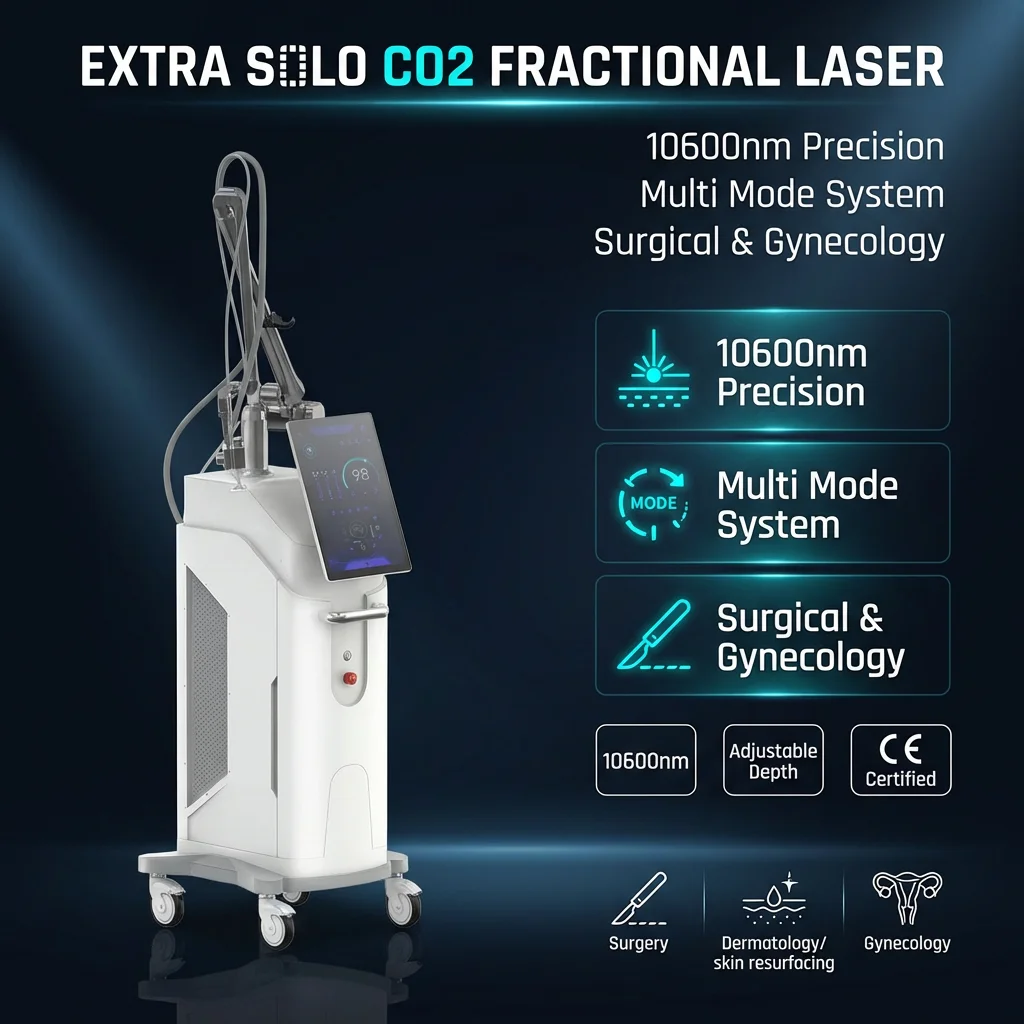
The co2 fractional laser has established itself as a cornerstone of modern dermatological practice, delivering results that consistently outperform alternative modalities across multiple treatment categories. From acne scars to age-related skin damage, this technology addresses structural skin concerns with a precision that non-invasive treatments simply cannot match. The co2 fractional laser works by creating microscopic zones of controlled thermal injury, stimulating deep collagen remodeling while preserving surrounding tissue integrity. This selective approach has made the co2 fractional laser the preferred choice for clinicians seeking predictable outcomes and patient satisfaction rates that justify the investment in professional-grade equipment.
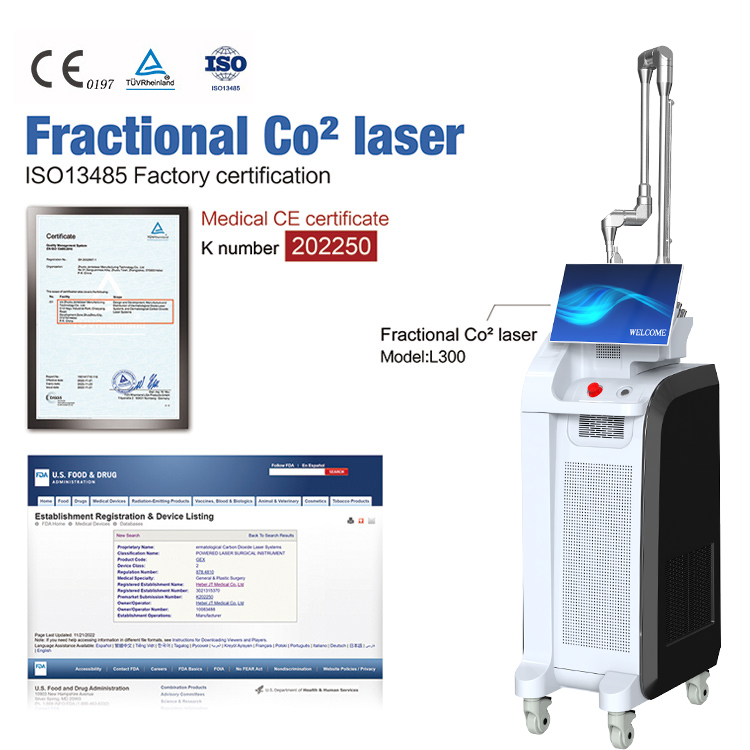
Understanding why the co2 fractional laser has retained its clinical dominance requires examining both its technical capabilities and real-world clinical performance. Over two decades of refinement have transformed this technology from a one-size-fits-all ablative tool into a sophisticated platform capable of precise customization. The co2 fractional laser continues to evolve with innovations in scanning patterns, pulse duration, and energy delivery, yet the fundamental principle remains unchanged: fractional photothermolysis produces superior skin remodeling compared to non-fractional alternatives. This article explores the technical, clinical, and practical reasons why practitioners continue to prioritize the co2 fractional laser for their most demanding skin restoration cases.
Mechanical Precision and Collagen Remodeling Depth
How Fractional Injury Triggers Sustained Collagen Response
The co2 fractional laser operates on a principle that distinguishes it fundamentally from surface-level treatments: it creates controlled thermal columns that penetrate deep into the dermis while leaving intervening tissue intact. This fractional pattern ensures faster healing compared to full-surface ablation while still achieving the dermal remodeling necessary for dramatic clinical improvement. Each pulse of the co2 fractional laser generates temperatures exceeding 100 degrees Celsius within the treatment zone, instantly vaporizing water content and triggering an immediate collagen contraction response. This initial mechanical effect is only the beginning; the wound-healing cascade initiated by the co2 fractional laser stimulates new collagen synthesis over weeks and months, producing continued improvement well beyond the immediate post-treatment period.
The depth capability of the co2 fractional laser directly addresses the structural nature of many skin concerns that topical or non-invasive treatments cannot touch. Atrophic scars, for example, result from permanent collagen loss in the dermis and subdermis; only a technology capable of reaching these depths and triggering new collagen deposition can produce meaningful correction. The co2 fractional laser achieves consistent penetration depths of 1.5 to 3 millimeters depending on settings, accessing tissue layers where scar tissue and photodamage originate. This mechanical precision explains why clinicians repeatedly choose the co2 fractional laser over gentler alternatives when patients present with deep textural concerns or significant volume loss.
Energy Customization for Variable Tissue Conditions
Modern co2 fractional laser systems offer unprecedented control over treatment parameters, allowing clinicians to tailor energy delivery to individual patient anatomy, skin type, and specific clinical indication. The co2 fractional laser can be programmed to deliver energy in fractional patterns ranging from 10 to 30 percent of the treatment surface, enabling fine-tuning between efficacy and downtime. This customization capability has extended the applications of the co2 fractional laser well beyond traditional full-face resurfacing into targeted body area treatments, combination protocols, and staged approaches for patients unwilling to accept significant recovery periods. The ability to modulate the co2 fractional laser intensity explains its sustained popularity across diverse clinical settings, from high-volume cosmetic practices to specialized scar centers and reconstructive surgery departments.
Clinical Efficacy Across Multiple Indications
Acne Scar Revision and Textural Improvement
Acne scarring represents one of the most challenging clinical problems in dermatology, yet the co2 fractional laser has emerged as the gold standard treatment for both atrophic and rolling scar morphologies. The co2 fractional laser addresses scarring through multiple mechanisms: the initial thermal injury creates controlled inflammation that reorients existing collagen, while the subsequent healing phase generates new collagen synthesis within the scar tissue. Multiple clinical studies have documented that the co2 fractional laser produces 50 to 80 percent improvement in acne scar appearance after three to five treatment sessions, with results that persist or improve over time as additional collagen remodeling occurs. Patients with severe acne scarring who had previously resigned themselves to permanent textural irregularity now achieve cosmetically acceptable results through serial co2 fractional laser treatments, fundamentally changing expectations for this historically difficult indication.
The mechanism through which the co2 fractional laser corrects rolling scars differs subtly from its approach to atrophic scars, yet both benefit from the same core technology. Rolling scars result from tethered subcutaneous tissue; the thermal injury created by the co2 fractional laser causes contraction of this tethered tissue while the fractional pattern promotes new collagen deposition that fills residual depression. The co2 fractional laser's ability to address multiple scar morphologies with a single platform makes it more versatile than boxcar or icepick scar-specific surgical techniques, which often require combination approaches. This clinical versatility has contributed significantly to the enduring popularity of the co2 fractional laser in scar revision programs.
Photoaging Reversal and Skin Texture Restoration
Chronic sun exposure creates cumulative photodamage affecting both epidermis and dermis, manifesting as irregular pigmentation, loss of skin texture, and accelerated formation of fine lines and rhytids. The co2 fractional laser addresses photoaging through its dual action: the ablative component removes damaged epidermis containing dyschromic melanin and solar elastotic material, while the fractional pattern preserves dermal architecture and stimulates new collagen synthesis. Patients treated with the co2 fractional laser for generalized photoaging experience dramatic improvements in skin quality, with reduction in visible pores, normalization of pigmentation, and restoration of the smooth texture associated with younger skin. These improvements exceed what non-ablative laser technologies can achieve, making the co2 fractional laser the preferred choice for patients with significant photodamage seeking maximum improvement.
The longevity of results from the co2 fractional laser treatment for photoaging often surprises patients accustomed to temporary effects from non-invasive modalities. Because the co2 fractional laser produces genuine structural remodeling through new collagen synthesis, improvements persist indefinitely unless new photodamage accumulates through continued unprotected sun exposure. Many patients undergo single co2 fractional laser treatment sessions and maintain results for five to ten years or longer, occasionally undergoing maintenance treatments to address new photodamage. This extended durability, combined with the dramatic single-session improvement, explains why the co2 fractional laser remains the treatment of choice for patients seeking permanent photoaging reversal.
Practical Clinical Advantages and Workflow Integration
Rapid Healing and Predictable Recovery Timeline
The fractional treatment pattern that defines the co2 fractional laser creates a critical practical advantage compared to full-surface ablative resurfacing: significantly accelerated healing and reduced downtime. Because intervening tissue remains undamaged, the co2 fractional laser harnesses the body's natural wound healing processes to restore the epidermis more rapidly than complete ablation would allow. Most patients experience complete re-epithelialization within seven to ten days following co2 fractional laser treatment, though residual erythema may persist for several weeks. This predictable recovery timeline allows patients to schedule co2 fractional laser procedures around work and social commitments, dramatically improving acceptance and treatment uptake compared to traditional full-surface ablation requiring two to three weeks of visible healing.
The co2 fractional laser's rapid healing also reduces the infection risk and complications associated with prolonged open wound management. Faster re-epithelialization means the co2 fractional laser-treated skin normalizes its barrier function within days rather than weeks, reducing vulnerability to secondary infection, contact sensitization, and pigmentation disturbances. Clinicians appreciate these practical safety advantages, as they translate to fewer post-treatment complications, improved patient satisfaction, and reduced liability exposure. The combination of dramatic clinical efficacy with manageable downtime has made the co2 fractional laser accessible to mainstream aesthetic practices, not merely specialized scar centers or reconstructive departments.
Integration with Combination Therapeutic Protocols
Contemporary cosmetic and dermatological practice frequently employs combination protocols that address multiple aspects of facial aging simultaneously; the co2 fractional laser serves as the structural foundation for many successful multimodality approaches. The co2 fractional laser handles textural concerns and structural skin laxity, while concurrent or sequential injectable therapy addresses volume deficiency and dynamic wrinkles, and topical maintenance regimens preserve and extend results. Practitioners find that the co2 fractional laser integrates seamlessly into these combination protocols, as its mechanism complements rather than conflicts with other modalities. This versatility has cemented the position of the co2 fractional laser as a core platform technology rather than a specialized single-purpose tool, contributing to its sustained clinical relevance across evolving treatment paradigms.
FAQ
Why does co2 fractional laser outperform non-ablative laser treatments for deep scars?
Non-ablative lasers deposit energy below the epidermis without removing the surface layer, limiting penetration depth and the intensity of collagen remodeling they can trigger. The co2 fractional laser removes the epidermis completely within treatment zones, allowing energy to penetrate 1.5 to 3 millimeters into the dermis where scar tissue originates. This superior depth access, combined with the fractional pattern that promotes accelerated healing, makes the co2 fractional laser dramatically more effective for structural scarring. Non-ablative alternatives may produce subtle improvement in superficial textural concerns but cannot match the transformative results the co2 fractional laser delivers for atrophic or rolling scars.
How long do results from co2 fractional laser treatment typically last?
Results from co2 fractional laser treatment are largely permanent because the procedure creates genuine structural remodeling through new collagen deposition, not temporary volumization or surface hydration. Patients frequently maintain improvements for five to ten years or longer after a single co2 fractional laser session. New photodamage from sun exposure or progressive gravitational changes may eventually necessitate maintenance treatments, but the underlying structural improvements from the co2 fractional laser persist indefinitely. This exceptional longevity distinguishes the co2 fractional laser from temporary treatments, making it a superior long-term investment.
Is co2 fractional laser appropriate for all skin types and ethnicities?
Modern co2 fractional laser systems can be safely applied across diverse skin types through customized parameter selection and appropriate pre- and post-treatment skin care protocols. However, patients with darker skin types require more conservative energy settings to minimize the risk of post-inflammatory hyperpigmentation, which represents the primary complication in melanized skin. The co2 fractional laser remains an excellent choice for patients of all ethnicities when administered by experienced clinicians who understand the nuances of treating diverse skin. Proper patient selection, informed consent regarding pigmentation considerations, and appropriate post-treatment sun protection ensure that the co2 fractional laser delivers excellent results across all skin types.