


 EN
EN



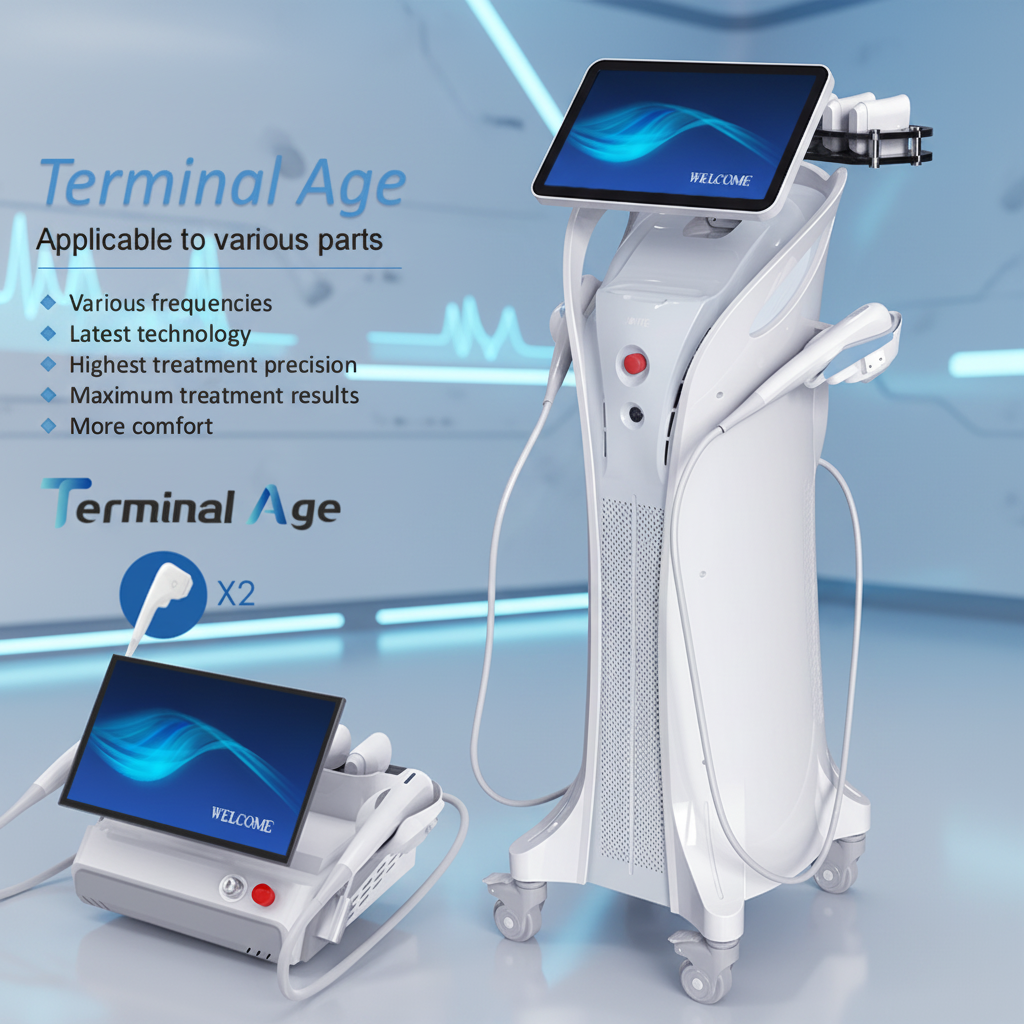
High-Intensity Focused Ultrasound (HIFU) has emerged as the gold standard for non-invasive facial contouring, particularly for double chin reduction and jawline carving. This revolutionary treatment technology delivers precise ultrasonic energy to targeted tissue layers, creating controlled thermal coagulation that stimulates collagen production and tissue tightening. Unlike traditional surgical approaches, HIFU offers patients a minimally invasive alternative that requires no incisions, minimal downtime, and delivers natural-looking results that improve over time.
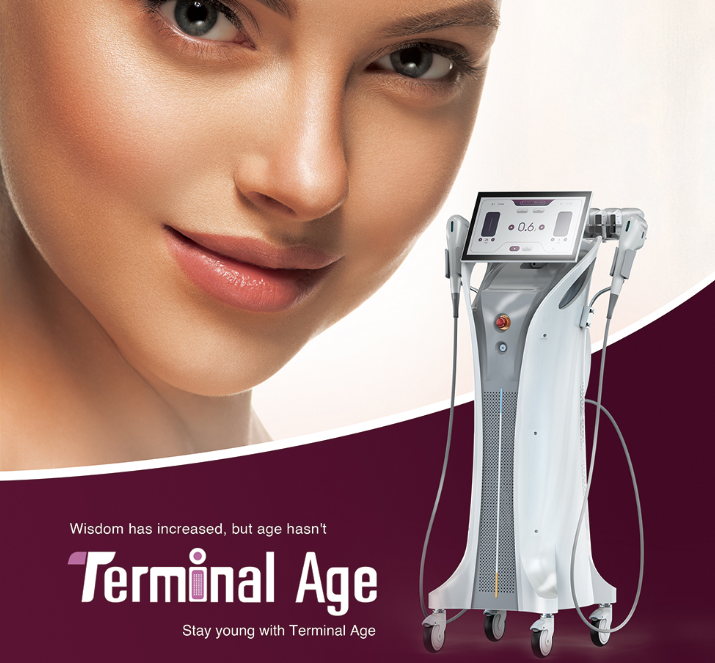
The preference for HIFU technology in aesthetic medicine stems from its unique ability to target specific tissue depths with millimeter precision while preserving surface skin integrity. This focused approach addresses the underlying structural causes of double chin formation and jawline sagging, including weakened fascia layers and reduced collagen density. The treatment's effectiveness in stimulating neocollagenesis makes it particularly valuable for patients seeking long-term facial rejuvenation without the risks and recovery time associated with surgical procedures.
Scientific Foundation of HIFU Technology for Facial Contouring
Ultrasonic Energy Delivery Mechanism
HIFU technology operates by delivering focused ultrasonic waves to precise tissue depths, creating controlled thermal zones that reach temperatures between 60-70 degrees Celsius. This targeted heating process induces immediate tissue contraction while simultaneously triggering the body's natural healing response. The ultrasonic energy bypasses surface skin layers entirely, concentrating its effects on deeper tissue structures including the superficial muscular aponeurotic system (SMAS) and subcutaneous fat layers.
The focal point creation allows practitioners to target specific anatomical layers responsible for facial sagging and double chin formation. Multiple focal depths enable comprehensive treatment of various tissue layers during a single session, making HIFU exceptionally efficient for addressing complex contouring needs. The precision of energy delivery ensures that surrounding tissues remain unaffected, minimizing side effects while maximizing therapeutic outcomes.
Modern HIFU systems incorporate real-time imaging capabilities that allow practitioners to visualize tissue layers during treatment. This visualization ensures optimal energy placement and helps avoid critical structures such as nerves and blood vessels. The combination of precise targeting and real-time monitoring makes HIFU a highly predictable treatment modality for facial contouring applications.
Collagen Stimulation and Tissue Remodeling
The thermal effect generated by hifu treatment initiates a complex cascade of biological responses that drive tissue tightening and remodeling. Initial tissue contraction occurs immediately following treatment, providing patients with visible improvement within hours of the procedure. This immediate effect results from the denaturation of existing collagen fibers and their subsequent contraction.
The longer-term benefits of HIFU emerge through neocollagenesis, the production of new collagen fibers over the following months. This process typically peaks at 12-16 weeks post-treatment, resulting in progressive improvement in skin tightness and facial contours. The newly formed collagen exhibits enhanced structural properties compared to aged collagen, providing superior support for facial tissues and contributing to more defined jawline contours.
Elastin fiber regeneration occurs concurrently with collagen production, further enhancing skin elasticity and firmness. This dual mechanism of action addresses both the structural support deficits and elasticity loss that contribute to double chin formation and jawline softening. The combination of immediate and progressive effects makes HIFU particularly appealing to patients seeking both rapid improvement and long-term benefits.
Superior Efficacy in Double Chin Reduction
Targeted Fat Reduction Mechanisms
HIFU technology excels in double chin reduction through its ability to selectively target submental adipose tissue while preserving surrounding structures. The focused ultrasonic energy creates thermal zones within fat compartments, leading to adipocyte membrane disruption and subsequent fat cell death. This process, known as thermal lipolysis, results in permanent reduction of fat volume in treated areas without affecting skin surface or underlying muscle tissue.
The precision of HIFU targeting allows practitioners to address specific fat accumulation patterns that contribute to double chin appearance. Unlike systemic fat reduction methods, HIFU provides localized treatment that can be customized to individual anatomical variations and aesthetic goals. The treatment can effectively address both superficial and deep fat layers, providing comprehensive contouring of the submental region.
Multiple treatment depths available with advanced HIFU systems enable practitioners to address the complex three-dimensional structure of submental fat deposits. This multi-layered approach ensures thorough treatment of all contributing factors to double chin formation, resulting in more complete and natural-looking outcomes. The ability to treat various tissue depths during a single session maximizes efficiency while optimizing patient comfort and convenience.
Skin Tightening and Firming Effects
The skin tightening capabilities of HIFU technology address the loose, crepey skin often associated with double chin concerns. By targeting the deeper dermis and superficial fascia layers, HIFU stimulates structural protein production that directly improves skin firmness and elasticity. This tightening effect is particularly important in double chin treatment, where both fat reduction and skin contraction are necessary for optimal results.
HIFU treatment promotes the reorganization of existing collagen fibers in addition to stimulating new collagen production. This dual action results in improved skin texture and reduced appearance of fine lines and wrinkles in the treatment area. The tightening effects extend beyond the immediate treatment zone, creating a lifting effect that enhances overall facial contours and jawline definition.
The gradual nature of HIFU-induced skin tightening ensures natural-looking results that avoid the artificial appearance sometimes associated with surgical procedures. The progressive improvement allows skin to adapt naturally to new contours, preventing the formation of irregularities or unnatural creases. This gradual transformation contributes to high patient satisfaction rates and natural-appearing outcomes.
Jawline Carving and Definition Enhancement
Mandibular Border Accentuation
HIFU technology provides exceptional capabilities for enhancing jawline definition through targeted treatment of tissues along the mandibular border. The focused ultrasonic energy can be precisely directed to areas where tissue laxity has diminished the sharp definition of the jaw angle and mandibular edge. This precision allows practitioners to create more pronounced jawline contours without the need for surgical intervention or dermal filler injection.
The treatment addresses multiple factors contributing to jawline softening, including skin laxity, subcutaneous fat accumulation, and fascia weakening. By targeting these underlying causes, HIFU provides comprehensive rejuvenation that restores youthful jawline contours. The ability to treat various tissue depths ensures that all contributing factors are addressed during treatment, maximizing the enhancement of jaw definition.
Advanced HIFU systems allow for precise energy calibration based on individual tissue characteristics and desired outcomes. This customization ensures optimal treatment parameters for each patient's specific anatomy and aesthetic goals. The ability to modify treatment intensity and focus depth enables practitioners to achieve subtle refinements or more dramatic contouring effects based on patient preferences and clinical assessment.
Facial Profile Optimization
The facial profile enhancement achieved through HIFU jawline carving extends beyond simple jaw border definition to include comprehensive lower face contouring. The treatment addresses the transition zones between the jawline and neck, creating smoother, more youthful facial contours. This comprehensive approach ensures harmonious results that complement natural facial architecture while enhancing overall aesthetic appeal.
HIFU technology enables practitioners to address the complex three-dimensional nature of facial aging and contour loss. The treatment can target specific areas of concern while maintaining natural proportions and avoiding over-correction. This precision is particularly important in jawline carving, where subtle changes can have dramatic effects on overall facial appearance and balance.
The long-lasting effects of HIFU treatment contribute to sustained facial profile improvement over extended periods. The continued collagen production and tissue remodeling that occur following treatment ensure that results continue to improve and maintain over time. This longevity makes HIFU a cost-effective alternative to repeated injectable treatments or more invasive surgical procedures.
Comparative Advantages Over Alternative Treatments
Non-Invasive Nature and Safety Profile
The non-invasive nature of HIFU technology represents a significant advantage over surgical alternatives for double chin reduction and jawline enhancement. Unlike procedures such as liposuction or surgical facelifts, HIFU requires no incisions, anesthesia, or extended recovery periods. This safety profile makes the treatment accessible to a broader range of patients, including those who may not be suitable candidates for surgical intervention due to medical conditions or lifestyle constraints.
The absence of surgical risk factors such as infection, scarring, and anesthesia complications makes HIFU an attractive option for patients seeking facial enhancement with minimal risk. The treatment's excellent safety record has been established through extensive clinical studies and real-world application across diverse patient populations. Side effects are typically limited to mild swelling and temporary tenderness that resolve within days of treatment.
HIFU technology allows patients to resume normal activities immediately following treatment, making it ideal for busy professionals and individuals with demanding schedules. The absence of visible signs of treatment means that patients can undergo HIFU sessions without disrupting their professional or social commitments. This convenience factor significantly contributes to the treatment's growing popularity among aesthetic medicine patients.
Long-Term Results and Cost-Effectiveness
The durability of HIFU results represents a significant economic advantage compared to alternative treatments that require frequent maintenance sessions. While injectable treatments may provide temporary improvement, HIFU stimulates natural collagen production that provides lasting enhancement for 12-24 months or longer. This extended duration of effect makes HIFU more cost-effective over time despite higher initial treatment costs.
The natural aging process continues following HIFU treatment, but the enhanced collagen structure provides better resistance to further tissue degradation. Many patients find that subsequent HIFU treatments are needed less frequently and may require lower intensity settings to maintain desired results. This progressive improvement in treatment efficiency contributes to the overall value proposition of HIFU technology.
The comprehensive nature of HIFU treatment addresses multiple aesthetic concerns simultaneously, reducing the need for additional procedures or treatments. The combination of fat reduction, skin tightening, and tissue lifting achieved with a single HIFU session eliminates the need for multiple treatment modalities to achieve comparable results. This efficiency makes HIFU an attractive option for patients seeking comprehensive facial enhancement with minimal time investment.
Treatment Customization and Patient Selection
Individual Assessment and Treatment Planning
Successful HIFU treatment for double chin reduction and jawline carving begins with comprehensive patient assessment and customized treatment planning. Practitioners must evaluate individual anatomical characteristics, skin quality, fat distribution, and patient expectations to develop optimal treatment protocols. This personalized approach ensures that HIFU parameters are adjusted to achieve the best possible outcomes for each patient's specific needs and goals.
The assessment process includes evaluation of tissue elasticity, subcutaneous fat thickness, and underlying bone structure to determine appropriate treatment depths and energy levels. Advanced imaging techniques may be employed to visualize tissue layers and plan optimal focal zone placement. This thorough evaluation process ensures that HIFU treatment is both safe and effective for each individual patient.
Patient selection criteria for HIFU treatment include adequate skin elasticity, realistic expectations, and absence of contraindications such as pregnancy or certain medical conditions. The ideal candidate exhibits mild to moderate skin laxity and localized fat accumulation that can be effectively addressed through focused ultrasonic treatment. Proper patient selection is crucial for achieving optimal outcomes and ensuring high satisfaction rates.
Technology Advancement and Equipment Selection
Modern HIFU systems incorporate advanced features that enhance treatment precision and patient comfort. Multi-focal depth capabilities allow practitioners to address various tissue layers during a single session, while real-time imaging provides visual confirmation of energy placement. These technological advancements have significantly improved treatment outcomes and expanded the range of conditions that can be effectively addressed with HIFU.
The selection of appropriate HIFU equipment depends on the specific treatment applications and patient population being served. Systems designed for facial applications typically offer smaller focal zones and more precise energy control compared to body contouring devices. The availability of multiple transducer options ensures that practitioners can select optimal treatment parameters for different anatomical regions and patient characteristics.
Continuous technological development in HIFU systems has led to improved energy delivery efficiency and reduced treatment discomfort. Newer systems incorporate advanced cooling mechanisms and optimized energy distribution patterns that enhance patient comfort while maintaining treatment effectiveness. These improvements have contributed to increased patient acceptance and satisfaction with HIFU procedures.
FAQ
How many HIFU sessions are typically needed for optimal double chin reduction?
Most patients achieve significant double chin reduction with 1-2 HIFU treatment sessions spaced 3-6 months apart. The number of sessions required depends on individual factors including the amount of excess fat, skin elasticity, and desired degree of improvement. Some patients with mild concerns may see satisfactory results after a single session, while others with more pronounced double chin may benefit from additional treatments for optimal outcomes.
What is the expected downtime following HIFU treatment for jawline carving?
HIFU treatment requires minimal downtime, with most patients returning to normal activities immediately following the procedure. Some mild swelling and tenderness may occur for 1-3 days post-treatment, but these effects are typically manageable with over-the-counter pain medication if needed. Makeup can be applied immediately after treatment, and there are no restrictions on exercise or normal daily activities.
How long do HIFU results last for double chin and jawline enhancement?
HIFU results for double chin reduction and jawline carving typically last 12-24 months, with some patients experiencing benefits for up to 36 months. The longevity of results depends on individual factors including age, skin quality, lifestyle habits, and the natural aging process. Maintenance treatments can be performed to sustain results, often requiring less intensive sessions than the initial treatment.
Can HIFU be combined with other aesthetic treatments for enhanced results?
HIFU can be safely combined with other non-invasive treatments such as radiofrequency, dermal fillers, and neurotoxin injections to achieve comprehensive facial enhancement. The timing of combination treatments should be carefully planned to avoid interference between modalities and ensure optimal healing. Many practitioners recommend spacing different treatments several weeks apart to allow proper tissue recovery and maximize the benefits of each intervention.
Table of Contents
- Scientific Foundation of HIFU Technology for Facial Contouring
- Superior Efficacy in Double Chin Reduction
- Jawline Carving and Definition Enhancement
- Comparative Advantages Over Alternative Treatments
- Treatment Customization and Patient Selection
-
FAQ
- How many HIFU sessions are typically needed for optimal double chin reduction?
- What is the expected downtime following HIFU treatment for jawline carving?
- How long do HIFU results last for double chin and jawline enhancement?
- Can HIFU be combined with other aesthetic treatments for enhanced results?