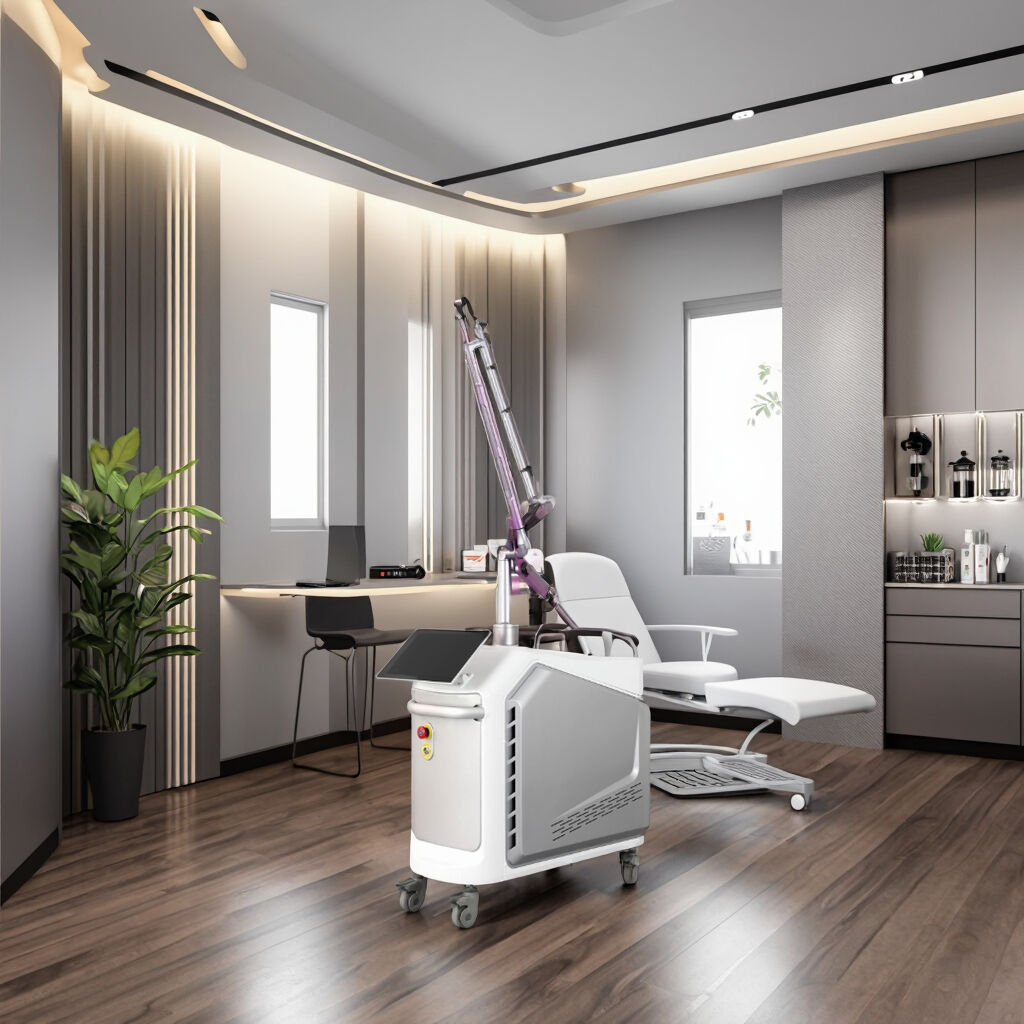
Advanced Picosecond Laser Machine Technology - Precision Processing Solutions

Get a Free Quote

Our representative will contact you soon.
Email
Name
WhatsApp
Company Name
Message
0/1000

picosecond laser machine

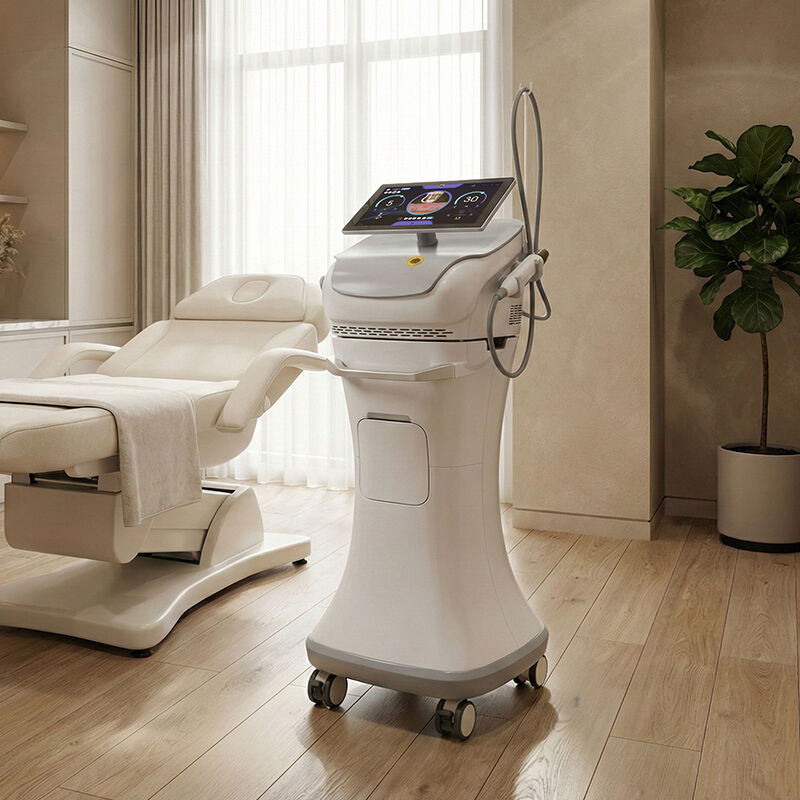
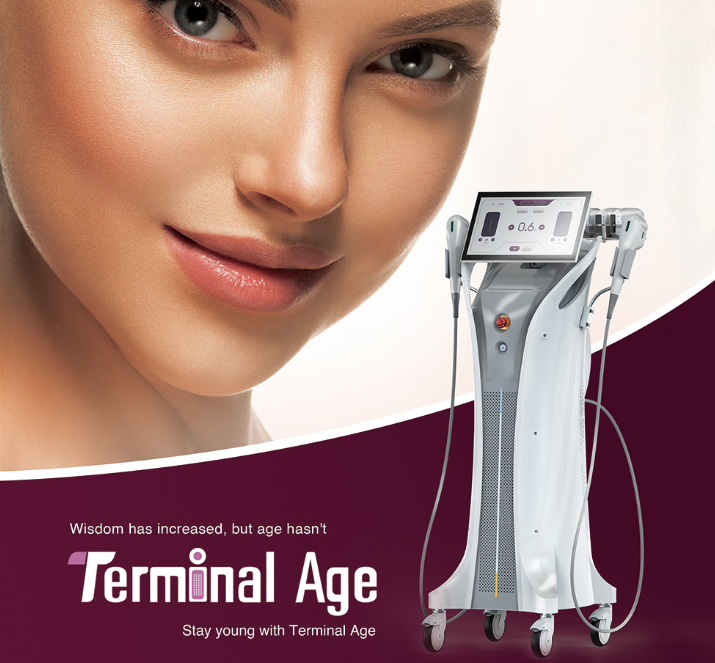
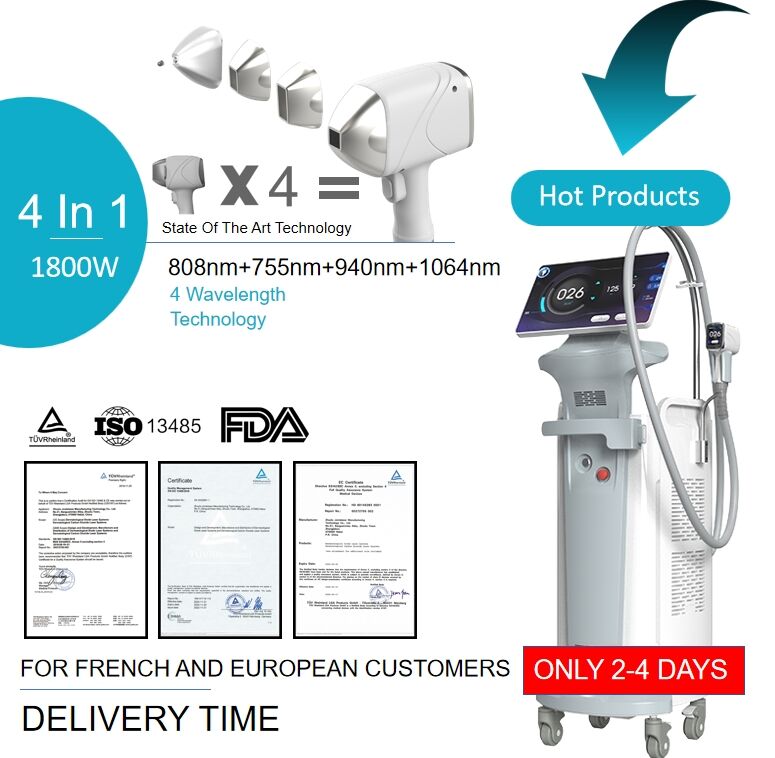
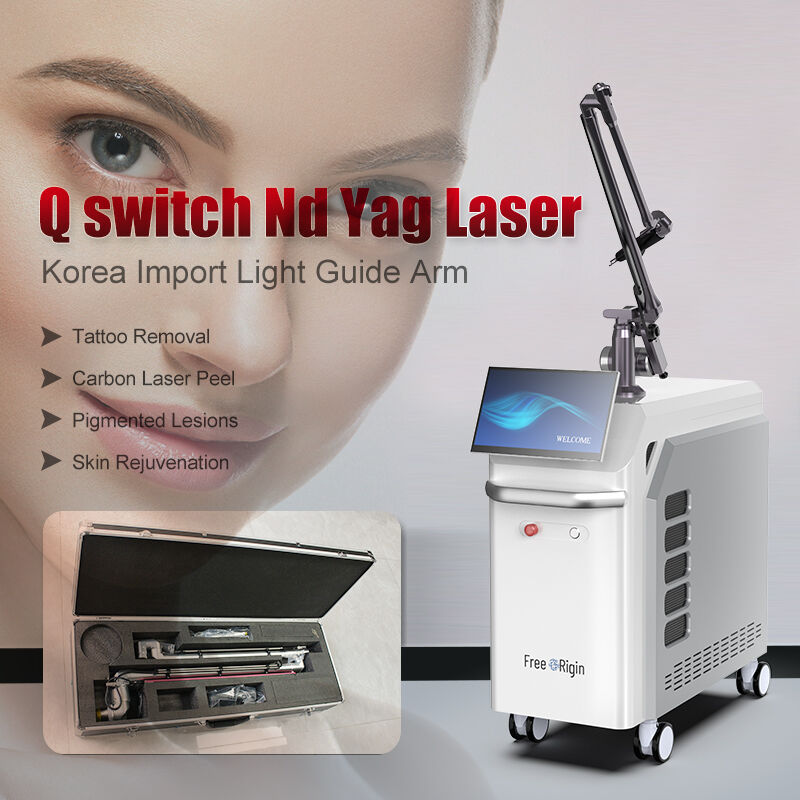
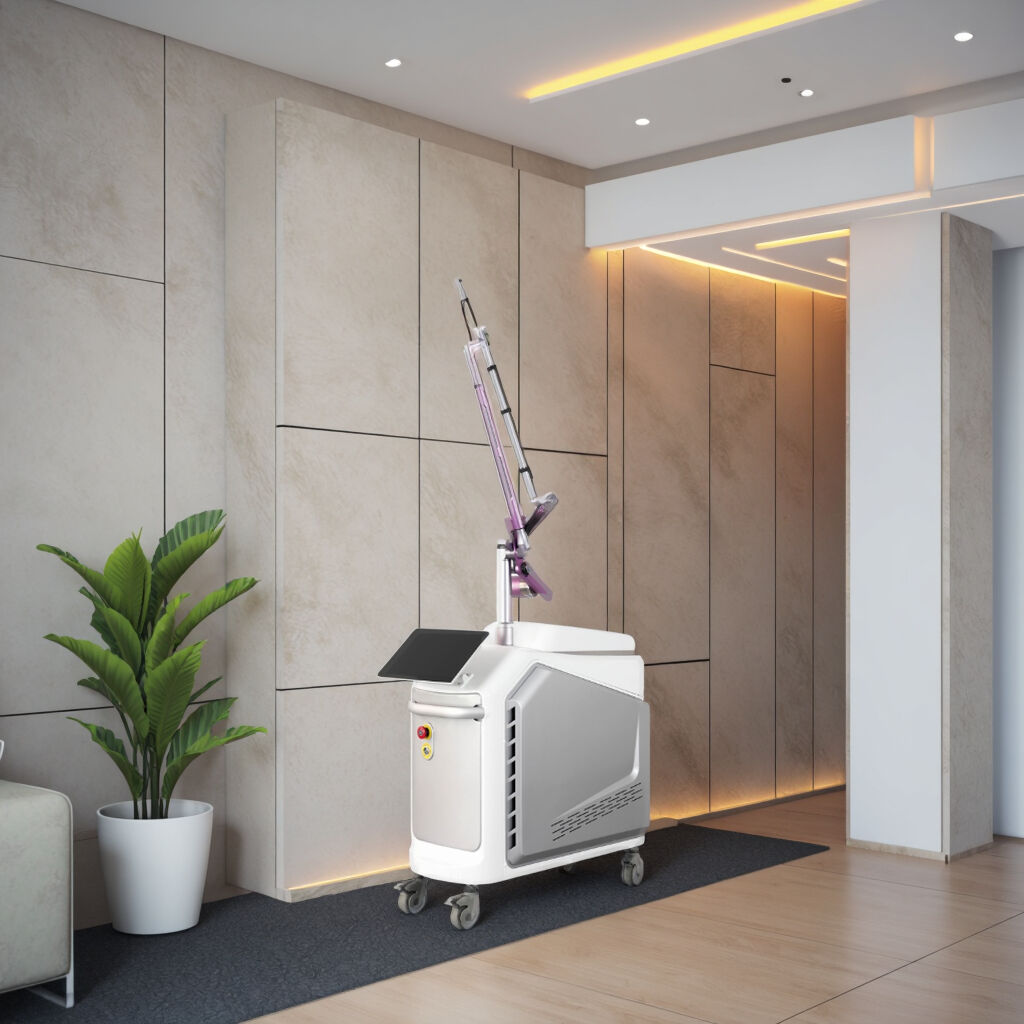
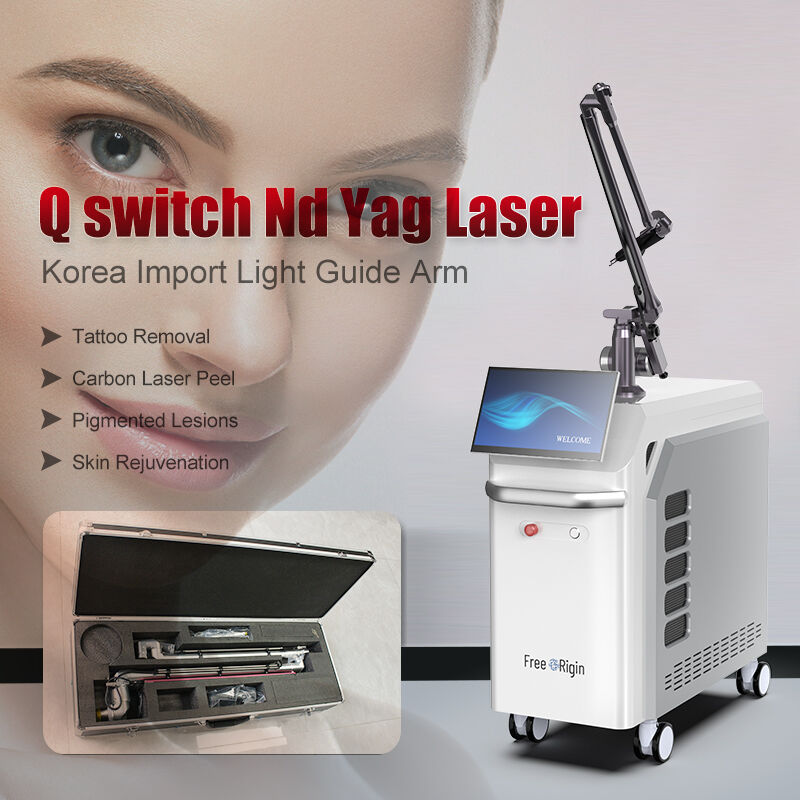
The picosecond laser machine represents a revolutionary advancement in precision laser technology, delivering ultra-short pulse durations measured in picoseconds - one trillionth of a second. This cutting-edge device generates extremely brief, high-intensity light pulses that interact with target materials in fundamentally different ways compared to traditional laser systems. The core technology behind the picosecond laser machine relies on sophisticated optical amplification and pulse compression techniques that create incredibly short bursts of concentrated energy. The main functions of this advanced equipment encompass precision material processing, medical treatments, scientific research applications, and industrial manufacturing tasks. The technological architecture incorporates state-of-the-art components including high-quality laser diodes, precision mirrors, advanced cooling systems, and computerized control interfaces that ensure consistent performance and reliability. Key technological features include adjustable pulse frequencies, variable energy outputs, precise beam focusing capabilities, and comprehensive safety monitoring systems. The picosecond laser machine excels in applications requiring minimal heat generation, exceptional precision, and reduced collateral damage to surrounding materials. Medical applications include dermatological treatments, ophthalmology procedures, and cosmetic enhancements where tissue preservation is critical. Industrial applications span semiconductor manufacturing, micro-machining, surface texturing, and quality control processes. Scientific research facilities utilize these systems for spectroscopy, materials analysis, and experimental physics studies. The versatility of the picosecond laser machine makes it invaluable across diverse sectors including aerospace, automotive, electronics, healthcare, and academic research institutions. Modern picosecond laser machine designs incorporate user-friendly interfaces, automated calibration systems, and remote monitoring capabilities that streamline operation and maintenance procedures while ensuring optimal performance consistency.

New Products

The picosecond laser machine delivers exceptional precision that surpasses conventional laser technologies by generating ultra-short pulses that minimize thermal effects on target materials. This precision translates into cleaner cuts, smoother surfaces, and reduced material waste during processing operations. Users benefit from significantly improved quality outcomes because the picosecond laser machine creates minimal heat-affected zones, preserving the structural integrity of delicate materials and components. The enhanced control offered by these systems allows operators to achieve consistent results across various materials including metals, ceramics, polymers, and biological tissues. Cost-effectiveness becomes apparent through reduced material consumption, decreased processing time, and lower maintenance requirements compared to traditional laser systems. The picosecond laser machine operates with remarkable efficiency, consuming less energy while delivering superior performance, which directly impacts operational expenses and environmental sustainability. Safety improvements are substantial as the controlled pulse delivery reduces risks associated with excessive heat generation, making the workplace safer for operators and protecting valuable equipment from thermal damage. The versatility of the picosecond laser machine enables single equipment to handle multiple applications, eliminating the need for specialized machinery and reducing capital investment requirements. Productivity gains are significant because the rapid pulse repetition rates and automated features allow for faster processing speeds without compromising quality standards. The reliability of modern picosecond laser machine designs ensures consistent operation with minimal downtime, supporting continuous production schedules and meeting demanding delivery timelines. Maintenance costs decrease substantially due to the robust construction and advanced diagnostic systems that predict service needs before failures occur. The compact design of contemporary picosecond laser machine models optimizes floor space utilization while providing full functionality, making them suitable for various facility sizes and layouts. Long-term value proposition includes extended equipment lifespan, retained precision over time, and adaptability to evolving application requirements through software updates and modular enhancements.

Practical Tips

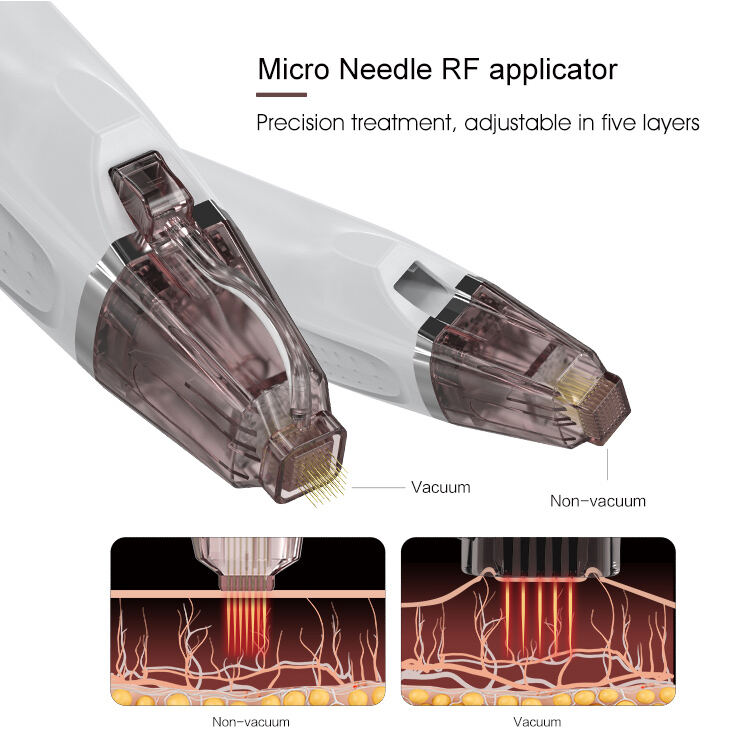
Vacuum Microneedling & Insulated Needles: What Really Makes the Difference?

06

Mar

Vacuum Microneedling & Insulated Needles: What Really Makes the Difference?

In the current aesthetic device market, many microneedling RF systems claim to include vacuum technology and insulated needles.However, the real question is not simply whether these features exist, but how precisely they function during clinical trea...
View More
50W vs 12W RF Microneedling: Why Higher Power Doesn’t Always Mean Better Results

06

Mar

50W vs 12W RF Microneedling: Why Higher Power Doesn’t Always Mean Better Results

In the aesthetic device market, parameter comparisons are common.Among them, device power (W) is often highlighted as a key selling point. However, from a clinical perspective, the reality is quite different. In many cases, the so-called “power...
View More

Get a Free Quote

Our representative will contact you soon.
Email
Name
WhatsApp
Company Name
Message
0/1000

picosecond laser machine

Unmatched Precision with Minimal Thermal Impact

Unmatched Precision with Minimal Thermal Impact

The picosecond laser machine achieves unprecedented precision levels through its revolutionary ultra-short pulse technology that fundamentally changes how laser energy interacts with materials. Traditional laser systems generate continuous or longer pulse durations that create significant thermal effects, often resulting in material distortion, melting, or unwanted chemical changes. The picosecond laser machine eliminates these issues by delivering energy in extremely brief bursts lasting mere picoseconds, allowing the material to absorb energy without sufficient time for heat conduction to surrounding areas. This breakthrough approach enables processing of temperature-sensitive materials that would otherwise be damaged by conventional laser systems. The precision achieved extends beyond simple cutting or marking applications, encompassing complex micro-machining tasks requiring tolerances measured in micrometers. Medical applications particularly benefit from this precision, as surgeons can perform delicate procedures on sensitive tissues without causing thermal damage to adjacent healthy cells. The controlled energy delivery ensures consistent results regardless of material type, thickness, or environmental conditions. Quality control processes become more reliable because the picosecond laser machine produces repeatable outcomes with minimal variation between successive operations. The absence of thermal effects eliminates post-processing requirements such as edge finishing, surface cleaning, or stress relief treatments, significantly reducing overall production time and costs. Manufacturing efficiency improves dramatically as operators achieve first-pass success rates approaching 100 percent, eliminating waste and rework expenses. The precision capabilities extend to multi-layer materials where selective processing of individual layers becomes possible without affecting underlying or overlying materials, opening new possibilities for advanced manufacturing techniques and product designs.
Superior Versatility Across Multiple Industries

Superior Versatility Across Multiple Industries

The extraordinary versatility of the picosecond laser machine stems from its ability to process an unprecedented range of materials and applications with consistent excellence, making it an invaluable asset across diverse industrial sectors. Unlike specialized laser systems designed for specific materials or applications, the picosecond laser machine adapts seamlessly to various requirements through adjustable parameters and modular configurations. In semiconductor manufacturing, these systems perform precise dicing, drilling, and surface modification tasks essential for microelectronics production. The automotive industry relies on picosecond laser machine technology for component marking, sensor manufacturing, and precision welding applications where quality and reliability are paramount. Aerospace applications benefit from the ability to process advanced composites, titanium alloys, and other specialized materials without compromising structural integrity. Medical device manufacturing utilizes the picosecond laser machine for creating intricate components such as stents, surgical instruments, and diagnostic equipment requiring biocompatible surface finishes. The jewelry industry has embraced this technology for precise engraving, cutting, and surface texturing that preserves valuable materials while achieving artistic designs. Scientific research institutions employ picosecond laser machine systems for materials characterization, spectroscopy studies, and experimental physics applications requiring controlled energy delivery. The adaptability extends to emerging applications as researchers discover new possibilities enabled by the unique characteristics of picosecond pulse technology. Software-controlled parameter adjustment allows single equipment to transition between applications quickly, maximizing utilization and return on investment. The modular design philosophy enables future upgrades and enhancements, ensuring long-term relevance as application requirements evolve and new technologies emerge.
Advanced Technology with User-Friendly Operation

Advanced Technology with User-Friendly Operation

The picosecond laser machine incorporates sophisticated technology wrapped in intuitive interfaces that make advanced laser processing accessible to operators regardless of their technical background or experience level. Modern systems feature comprehensive automation capabilities that handle complex parameter calculations, beam alignment, and quality monitoring tasks traditionally requiring specialized expertise. The user interface design prioritizes simplicity without sacrificing functionality, presenting essential controls and monitoring information through clear graphical displays and logical menu structures. Automated calibration systems ensure optimal performance by continuously monitoring beam characteristics, pulse timing, and energy output parameters, making real-time adjustments to maintain consistent results. Safety features are seamlessly integrated into operation procedures, providing multiple layers of protection including beam shutters, interlock systems, and emergency stops that activate automatically when potential hazards are detected. Training requirements are minimized through built-in tutorials, guided setup procedures, and context-sensitive help systems that support operators during initial learning phases and complex application development. Remote monitoring capabilities allow technical support teams to diagnose issues, optimize settings, and provide assistance without on-site visits, reducing downtime and operational disruptions. Predictive maintenance systems analyze performance data to forecast service requirements, enabling proactive scheduling that prevents unexpected failures and extends equipment lifespan. The integration of artificial intelligence algorithms enables the picosecond laser machine to learn from processing history, automatically optimizing parameters for recurring applications and suggesting improvements for new applications. Documentation systems automatically record processing parameters, quality metrics, and maintenance activities, supporting quality assurance programs and regulatory compliance requirements. The scalable architecture accommodates future technological advances through software updates and hardware modules, protecting investment value while enabling access to emerging capabilities and applications.

Get a Free Quote

Our representative will contact you soon.
Email
Name
WhatsApp
Company Name
Message
0/1000