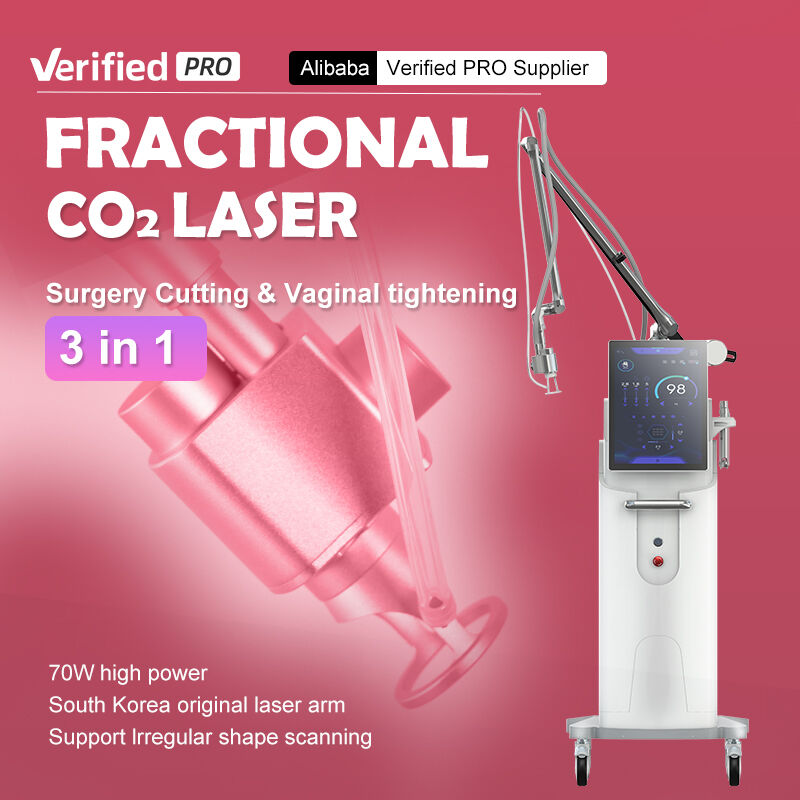
co2 fractional laser equipment
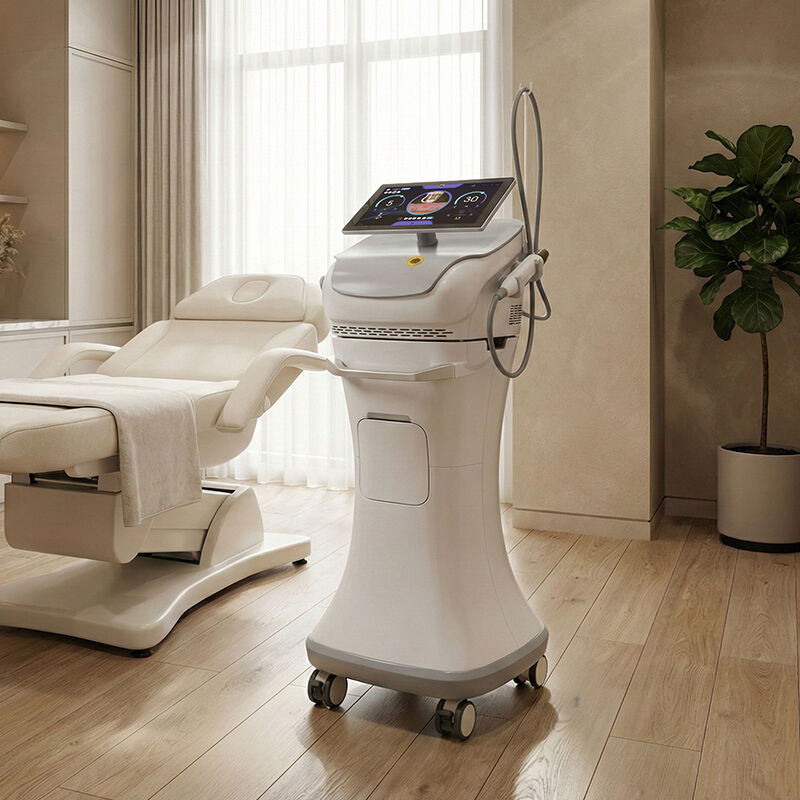
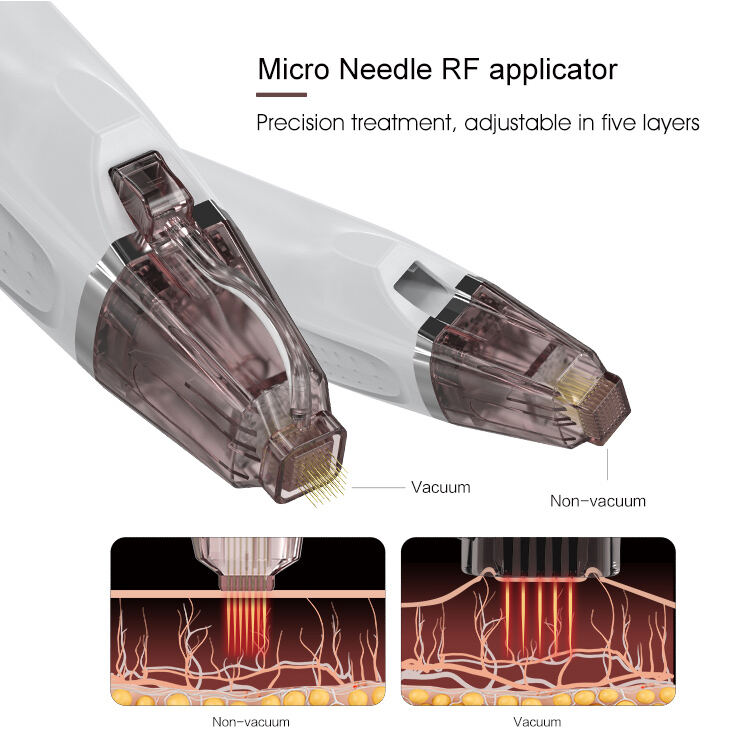
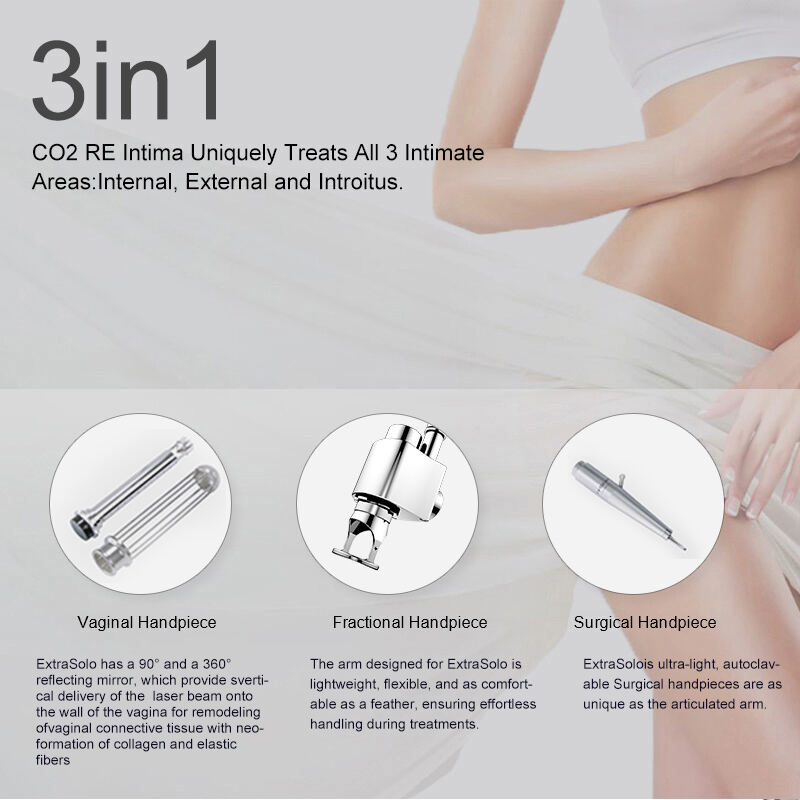
CO2 fractional laser equipment represents a revolutionary advancement in aesthetic medicine and dermatological treatments. This cutting-edge technology utilizes carbon dioxide laser beams delivered through a fractional approach, creating microscopic treatment zones while preserving surrounding healthy tissue. The co2 fractional laser equipment operates by emitting concentrated light energy at a wavelength of 10,600 nanometers, which is highly absorbed by water molecules in skin tissue. This precise targeting allows for controlled thermal damage that stimulates natural healing processes and collagen regeneration. The fractional delivery system divides the laser beam into thousands of tiny micro-beams, treating only a fraction of the skin surface area while leaving intact bridges of tissue between treatment zones. This innovative approach significantly reduces healing time compared to traditional ablative laser treatments while maintaining excellent clinical results. The co2 fractional laser equipment features adjustable parameters including pulse energy, density, and depth penetration, allowing practitioners to customize treatments for individual patient needs and specific skin conditions. Modern systems incorporate advanced scanning technology and integrated cooling mechanisms to enhance patient comfort and treatment precision. The equipment typically includes multiple handpieces designed for different anatomical areas and treatment protocols. Computerized controls enable precise energy delivery and pattern selection, ensuring consistent and predictable outcomes. Safety features such as automatic shut-off mechanisms, real-time temperature monitoring, and built-in calibration systems protect both patients and operators. The co2 fractional laser equipment finds extensive applications in treating acne scars, wrinkles, sun damage, age spots, surgical scars, and skin texture irregularities. It effectively addresses both superficial and deep skin concerns through its variable depth penetration capabilities. The technology proves particularly valuable for facial rejuvenation procedures, helping restore youthful appearance by promoting cellular renewal and improving overall skin quality and elasticity.


 EN
EN