best co2 fractional laser machine
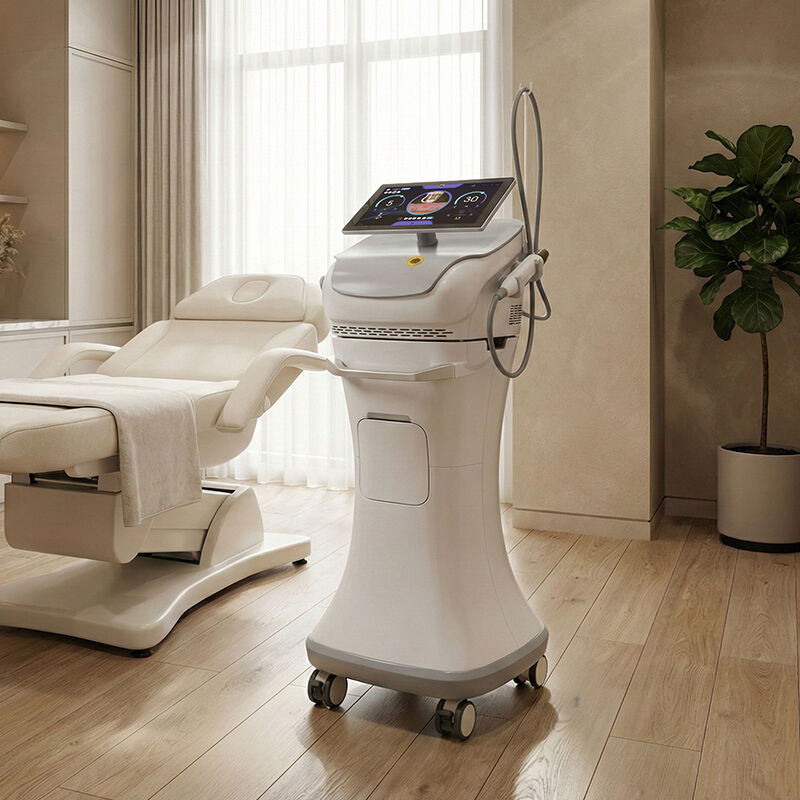
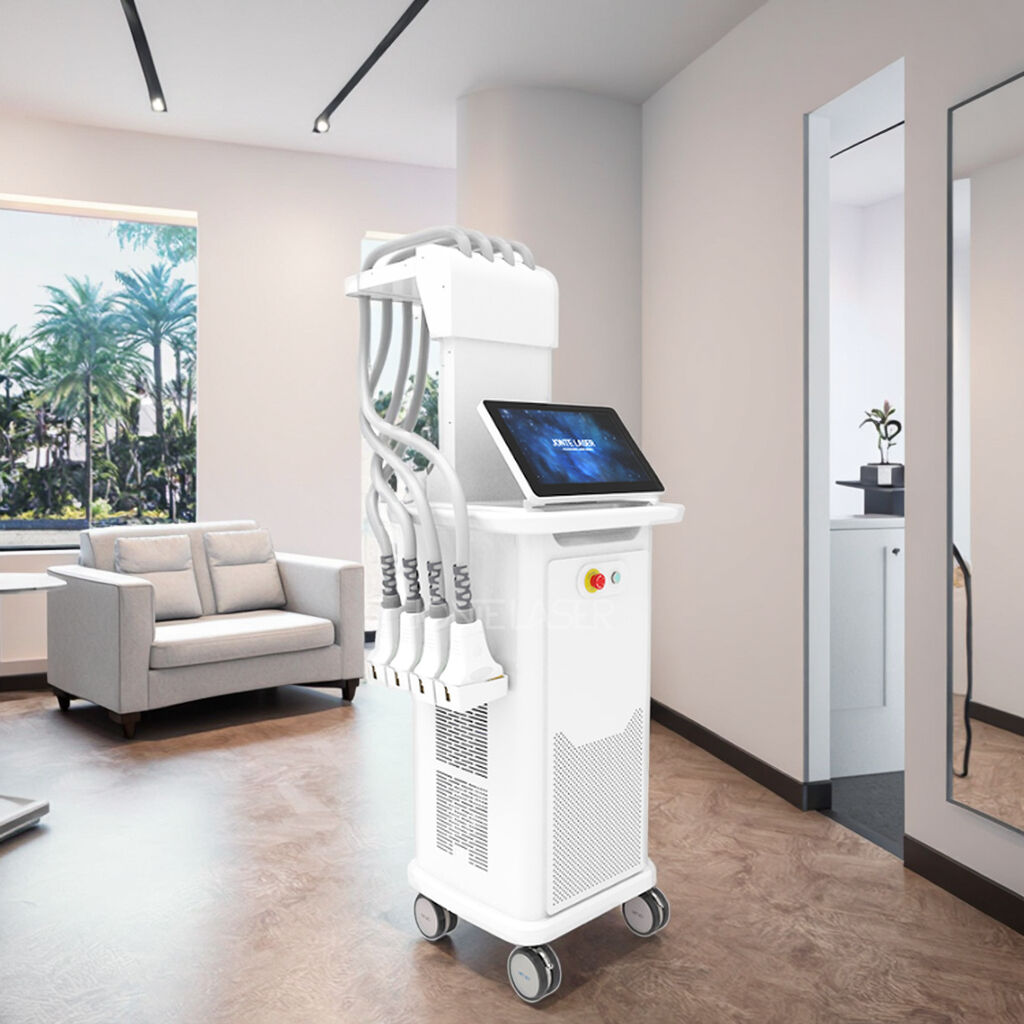
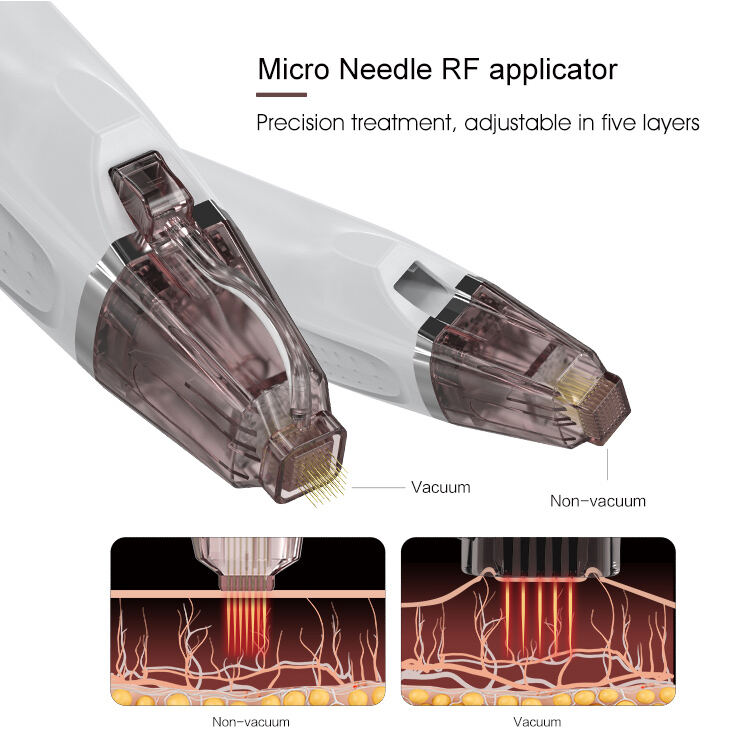
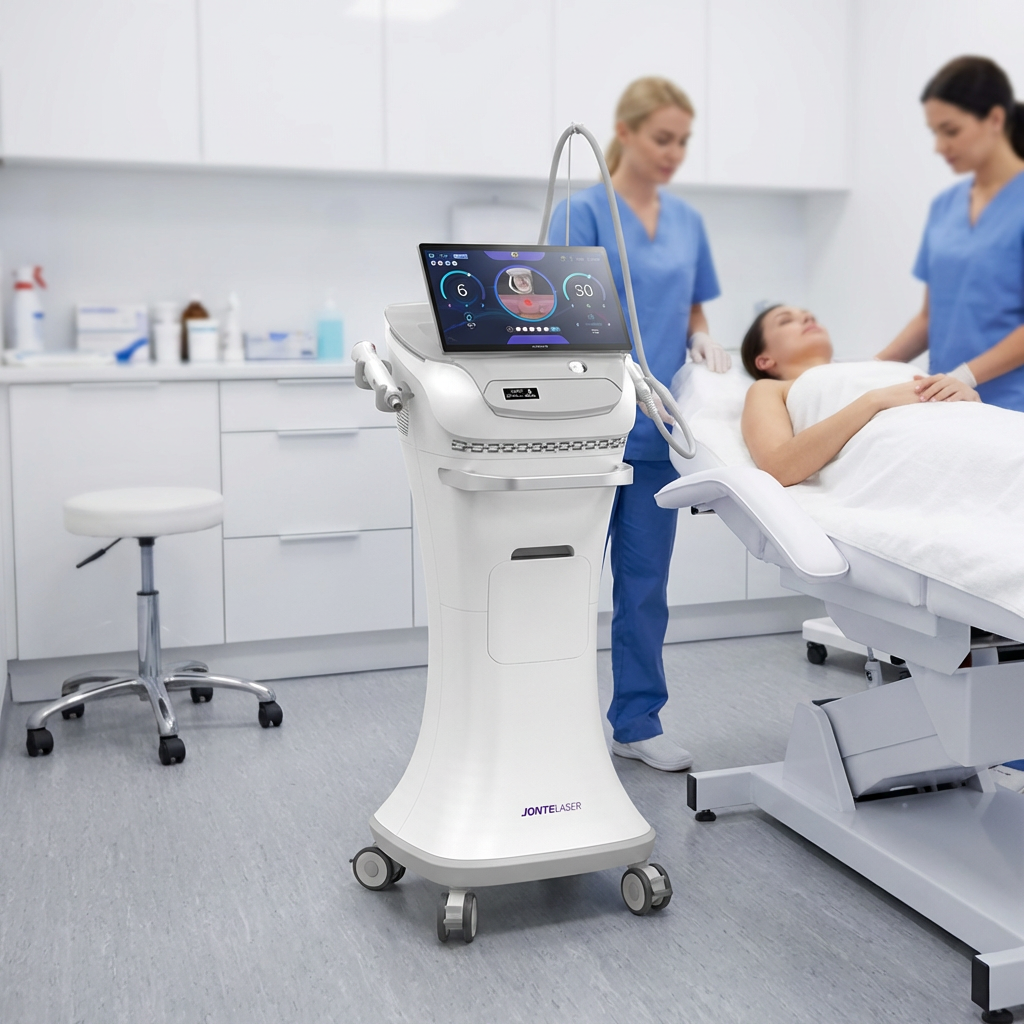
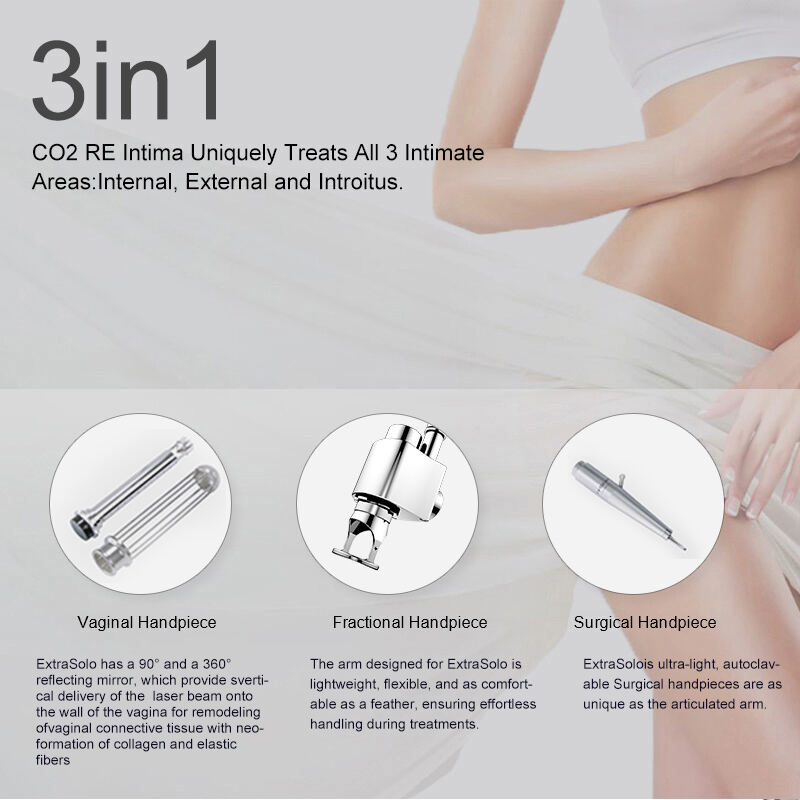
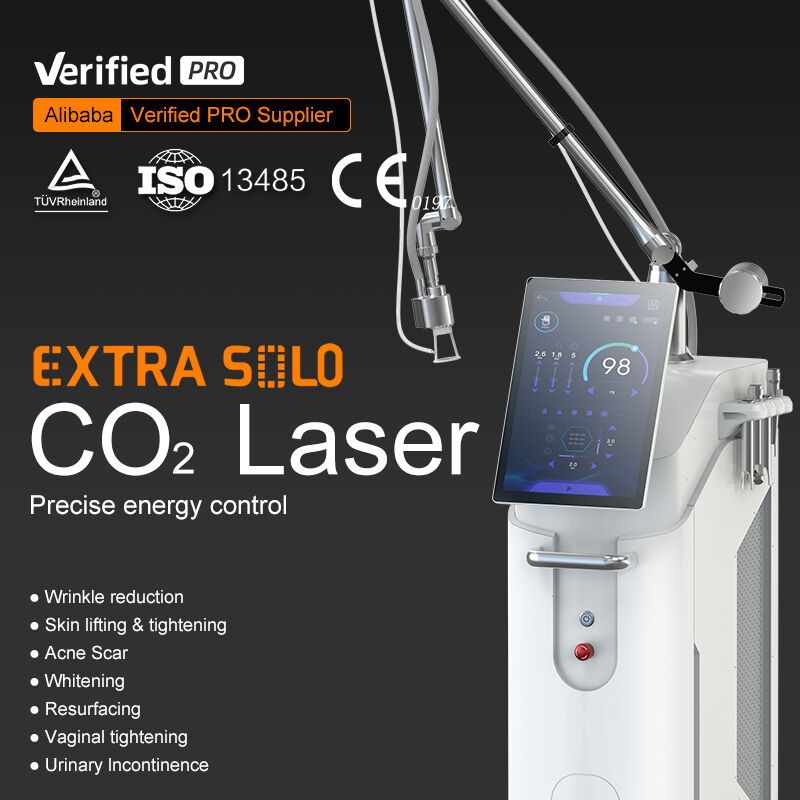
The best co2 fractional laser machine represents cutting-edge aesthetic technology that revolutionizes skin resurfacing and rejuvenation treatments. This advanced medical device utilizes carbon dioxide laser technology to deliver precise, controlled energy pulses that create microscopic treatment zones in the skin. The fractional approach means only a fraction of the skin surface receives direct laser treatment, leaving surrounding tissue intact to promote rapid healing and minimize downtime. The best co2 fractional laser machine incorporates sophisticated scanning systems that ensure uniform treatment coverage while maintaining optimal safety parameters. Modern units feature adjustable pulse duration, variable energy levels, and customizable treatment patterns to address diverse skin concerns. The technology operates by creating controlled thermal damage in targeted areas, stimulating collagen production and cellular regeneration processes. Key technological features include real-time temperature monitoring, integrated cooling systems, and advanced beam delivery mechanisms that ensure consistent results. The machine's computer-controlled scanning system allows practitioners to customize treatment parameters based on individual patient needs and specific skin conditions. Applications for the best co2 fractional laser machine span multiple aesthetic and medical dermatology areas, including acne scar reduction, wrinkle treatment, skin texture improvement, pigmentation correction, and surgical scar revision. The device effectively addresses photodamage, age spots, melasma, and various forms of skin irregularities. Professional-grade units offer multiple treatment modes, from superficial skin refreshing to deep dermal remodeling. The fractional delivery system enables practitioners to treat delicate areas around the eyes, mouth, and neck with precision. Advanced models incorporate artificial intelligence algorithms that optimize treatment parameters automatically, ensuring consistent outcomes across different skin types and conditions while minimizing operator dependency for optimal results.


 EN
EN