


 EN
EN


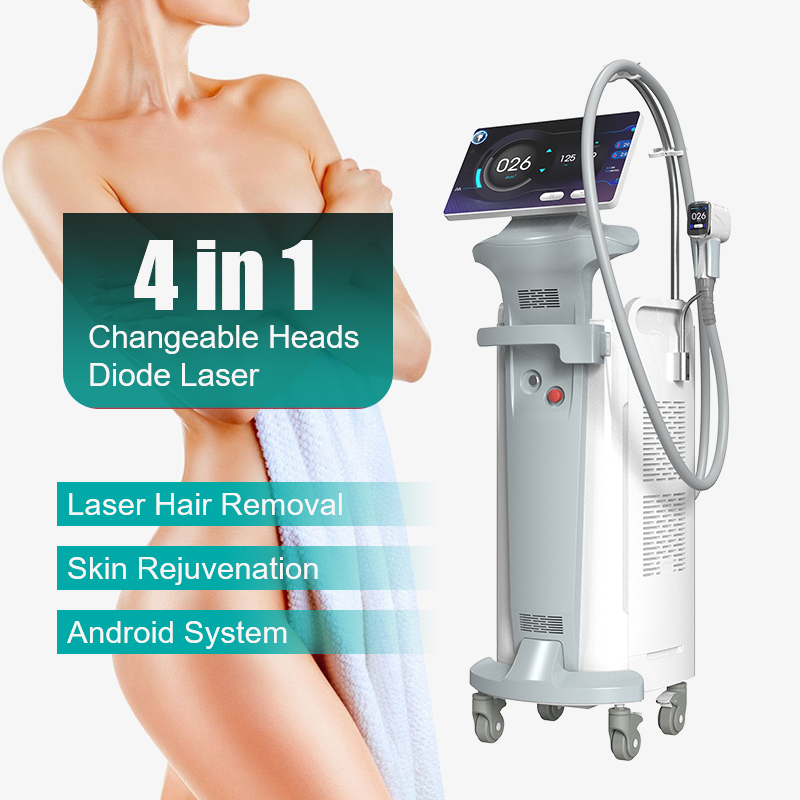
Modern aesthetic clinics require advanced technology to remain competitive and meet growing client expectations. Upgrading to professional-grade diode laser hair removal systems represents one of the most strategic investments a clinic can make, delivering superior results while expanding service offerings and revenue potential. This comprehensive guide walks you through the process of integrating diode laser hair removal into your clinic, from initial planning through successful implementation and ongoing operation.
The transition to diode laser hair removal technology requires careful assessment of your current infrastructure, staff capabilities, and client demand. Understanding the technical specifications, regulatory requirements, and operational workflows ensures a smooth upgrade that maximizes return on investment and maintains high safety and efficacy standards throughout your practice.
Evaluating Your Clinic's Current Technology and Infrastructure
Assessing Existing Equipment and Capabilities
Before implementing diode laser hair removal, conduct a thorough audit of your clinic's existing aesthetic equipment and technological infrastructure. Evaluate whether your current electrical systems, treatment spaces, and cooling capacity can support advanced laser equipment. Professional diode laser hair removal machines operate at high wattages and require stable power supplies, adequate ventilation, and proper room design to function safely and effectively. Document the condition, age, and performance of equipment you currently operate to identify gaps in your service lineup.
Your staff's technical proficiency matters significantly when adopting diode laser hair removal technology. Assess whether your team has experience with laser-based treatments, understands safety protocols, and possesses the foundational knowledge needed for operation and maintenance. Consider the learning curve required for diode laser hair removal and whether your current personnel can quickly become proficient or whether additional hiring and training will be necessary.
Identifying Market Demand and Client Demographics
Analyze your client base to understand demand for diode laser hair removal services within your geographic area. Survey existing clients about their interest in laser hair removal, their current spending patterns on aesthetic treatments, and their preferred treatment frequency. Market research specific to diode laser hair removal helps quantify potential revenue and guides decisions about equipment specifications and treatment pricing strategies.
Different client demographics show varying adoption rates for diode laser hair removal services. Urban practices often see stronger demand than rural locations; clients seeking full-body treatments differ from those interested in facial hair removal. Understanding these patterns helps you select diode laser hair removal equipment with appropriate spot sizes, cooling technology, and wavelength options that match your target market's preferences and treatment needs.
Selecting and Implementing the Right Diode Laser Hair Removal System
Understanding Key Technical Specifications
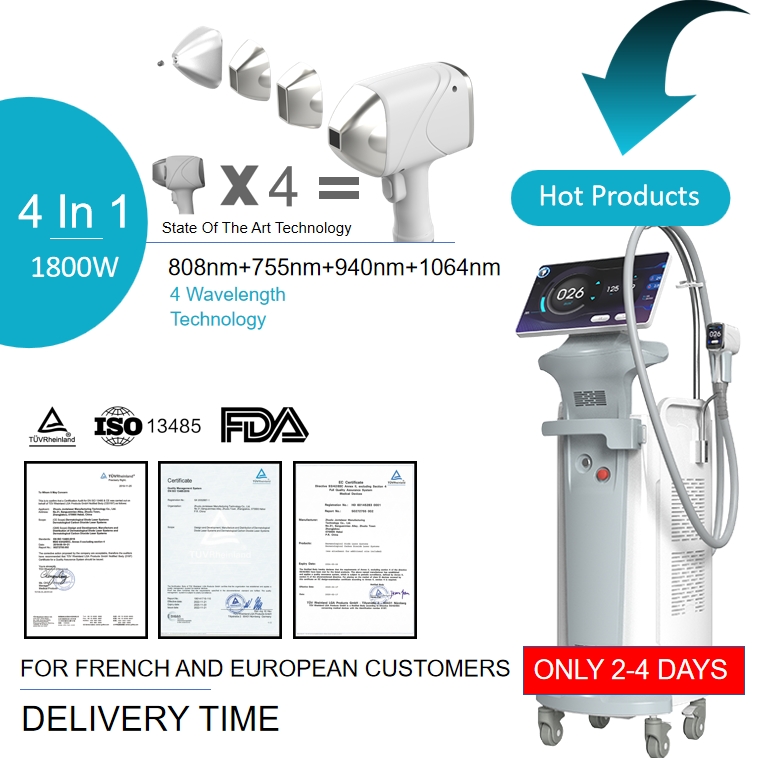
Professional diode laser hair removal systems vary significantly in power output, wavelength options, spot size configurations, and cooling mechanisms. Power levels typically range from 600W to over 3000W, with higher-powered diode laser hair removal equipment enabling faster treatment sessions and handling higher client volumes. Multi-wavelength diode laser hair removal machines offering 755nm, 808nm, 940nm, and 1064nm options provide maximum versatility, allowing customized treatment protocols for different skin types and hair characteristics.
Cooling technology directly impacts both safety and client comfort during diode laser hair removal treatments. Advanced systems incorporate integrated cooling to prevent epidermal damage while allowing higher energy delivery to hair follicles. Adjustable spot sizes in diode laser hair removal equipment—such as 1cm², 2cm², 3cm², and 4cm² options—enable efficient treatment of both large body areas and precise facial regions. Verify that your selected diode laser hair removal system supports these specifications to maximize treatment flexibility and client satisfaction.
Navigating Regulatory Compliance and Certifications
Diode laser hair removal equipment must meet strict regulatory standards before clinical use. In the United States, FDA approval ensures that diode laser hair removal systems meet safety and efficacy requirements. For international markets, MDR certification and MDSAP compliance demonstrate that your diode laser hair removal equipment meets rigorous quality and performance standards. Verify that any equipment you purchase carries appropriate certifications for your jurisdiction and verify documentation before finalizing procurement.
Compliance extends beyond equipment certification to encompassing staff training, treatment protocols, and safety documentation. Ensure your clinic maintains records of diode laser hair removal operator certifications, client consent forms, pre- and post-treatment care instructions, and adverse event documentation. Regulatory bodies periodically audit aesthetic clinics that offer diode laser hair removal services, making comprehensive compliance documentation essential for maintaining operational licenses and protecting your practice legally.
Training Your Team and Optimizing Treatment Protocols
Implementing Comprehensive Staff Training Programs
Successful adoption of diode laser hair removal requires intensive training that covers equipment operation, safety protocols, client assessment, and troubleshooting procedures. Manufacturers of professional diode laser hair removal equipment typically provide certification courses covering fundamental principles, hands-on operation, emergency procedures, and maintenance schedules. Beyond initial training, ongoing education ensures your team stays current with emerging techniques in diode laser hair removal and maintains certification compliance.
Create role-specific training programs within your clinic for diode laser hair removal operations. Treatment specialists need detailed operational training, while front-desk staff require knowledge of scheduling constraints specific to diode laser hair removal sessions, pre-treatment preparation requirements, and post-treatment care instructions. Medical directors or senior clinicians should receive advanced training in protocol development and troubleshooting complex cases with diode laser hair removal applications.
Developing and Optimizing Treatment Protocols
Standardized treatment protocols for diode laser hair removal ensure consistent results and minimize adverse events. Develop protocols that specify wavelength selection based on client skin tone and hair type, appropriate energy settings for different body areas, and treatment intervals for achieving optimal hair reduction. Your diode laser hair removal protocols should address pre-treatment skin preparation, including avoiding sun exposure and depilation methods that preserve hair roots necessary for laser targeting.
Document post-treatment care requirements specific to diode laser hair removal services, including recommended sunscreen application, avoidance of heat exposure, and guidance on expected healing timelines. Most clients receiving diode laser hair removal require multiple sessions spaced four to eight weeks apart to achieve desired results, so your protocols should establish realistic expectations and reinforce adherence to treatment schedules. Track client outcomes systematically to refine your diode laser hair removal protocols over time and demonstrate treatment efficacy to prospective clients.
Maximizing Revenue and Client Satisfaction
Pricing Strategy and Service Bundling
Competitive pricing for diode laser hair removal requires understanding local market rates, your equipment capabilities, and treatment duration. Most clinics charge per session based on treatment area size, with full-body diode laser hair removal commanding premium pricing compared to smaller facial or underarm treatments. Consider offering package discounts for clients committing to multiple diode laser hair removal sessions, as this improves client retention and provides predictable revenue streams.
Bundling diode laser hair removal with complementary services like skin rejuvenation or pigmentation treatments creates opportunities for increased average transaction value. Seasonal promotions highlighting diode laser hair removal before summer months or special events capture price-sensitive clients while maintaining margins. Membership programs providing unlimited or quarterly diode laser hair removal sessions build loyal client bases and stabilize revenue predictability.
Building Client Retention and Referral Programs
Exceptional results from professional diode laser hair removal create natural opportunities for client referrals. Implement formal referral programs offering discounts or complementary services when existing clients successfully refer friends or family members for diode laser hair removal treatments. Track referral sources to identify your most effective marketing channels and allocate marketing resources accordingly.
Client satisfaction directly correlates with successful diode laser hair removal outcomes and professional staff conduct. Invest in client communication systems that send appointment reminders, pre-treatment preparation instructions, and post-treatment care guidance. Follow-up consultations after completing diode laser hair removal series help assess satisfaction, identify any concerns, and encourage future bookings or referrals. Positive reviews and testimonials from satisfied diode laser hair removal clients significantly influence prospective client decisions and enhance your clinic's reputation online.
FAQ
What skin types can safely receive diode laser hair removal treatments?
Advanced diode laser hair removal systems with multiple wavelength options can safely treat clients across all skin types, from very light to deeply pigmented skin. The 1064nm wavelength penetrates deeper and suits darker skin tones, while shorter wavelengths work effectively on lighter skin. Proper pre-treatment assessment and patch testing ensure safe diode laser hair removal for each individual client, though darker skin types require careful energy settings to avoid adverse effects.
How many diode laser hair removal sessions does achieving permanent reduction typically require?
Most clients need between six to eight diode laser hair removal sessions spaced four to eight weeks apart to achieve significant permanent hair reduction. Results depend on hair density, growth cycles, skin tone, and individual factors. Some areas like the face may require additional diode laser hair removal sessions due to hormonal influences on hair growth, while underarms typically show faster results. Establishing realistic expectations during consultations helps clients understand the diode laser hair removal timeline.
What maintenance does professional diode laser hair removal equipment require?
Professional diode laser hair removal systems require regular maintenance including optical alignment checks, cooling system inspections, and software updates from manufacturers. Scheduled preventive maintenance extends equipment lifespan and ensures consistent performance for diode laser hair removal treatments. Establish relationships with authorized service providers who can quickly address any diode laser hair removal equipment issues, minimizing downtime and maintaining clinic operations.