


 EN
EN



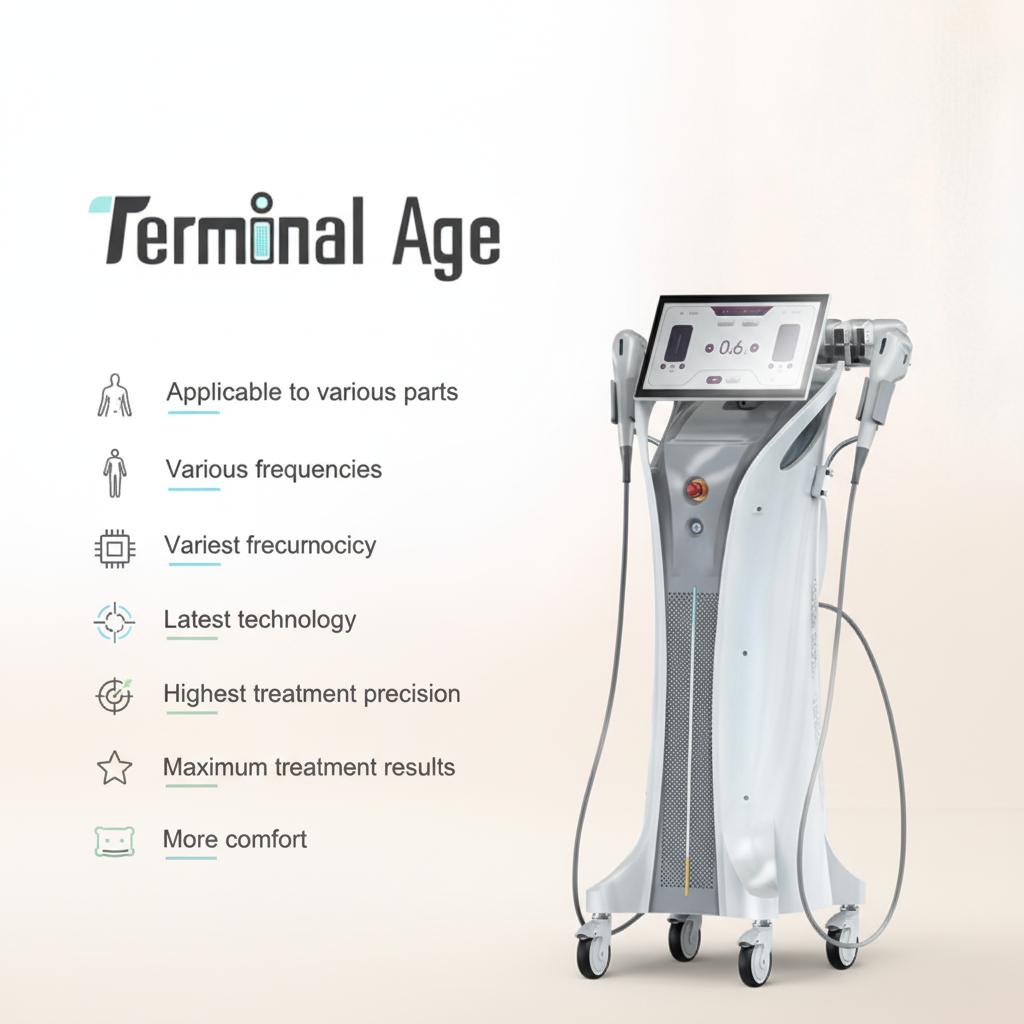
SMAS lifting represents a revolutionary advancement in non-invasive facial rejuvenation, targeting the same deep tissue layer that plastic surgeons address during traditional facelifts. The Superficial Muscular Aponeurotic System, or SMAS, is a fibromuscular layer that lies beneath the skin and subcutaneous fat, serving as the structural foundation for facial contours and youthful appearance. Understanding how High-Intensity Focused Ultrasound technology precisely targets this critical layer reveals why SMAS lifting has become a cornerstone of modern aesthetic medicine, offering patients significant lifting and tightening results without surgical intervention.
The mechanism behind SMAS lifting through HIFU technology involves the precise delivery of focused ultrasound energy to specific tissue depths, creating controlled thermal coagulation points that stimulate immediate tissue contraction and long-term collagen remodeling. This targeted approach allows practitioners to reach the SMAS layer at depths of 3.0mm to 4.5mm beneath the skin surface, bypassing the epidermis and dermis to create lifting effects at the foundational level. The technology's ability to visualize and target these exact depths ensures that SMAS lifting treatments deliver consistent, predictable results while maintaining the integrity of surrounding tissues.
The Anatomical Foundation of SMAS Lifting
Understanding the SMAS Layer Structure
The SMAS layer represents a continuous fibromuscular network that extends from the temporal region down to the neck, functioning as the primary support system for facial soft tissues. This anatomical structure, first identified and named by plastic surgeons in the 1970s, consists of collagen fibers, elastin, and muscle fascicles that work together to maintain facial volume and contour. SMAS lifting targets this specific layer because it provides the structural foundation that determines facial shape and position, making it the ideal target for achieving natural-looking lift results.
The depth and thickness of the SMAS layer varies across different facial regions, requiring precise targeting protocols for effective SMAS lifting treatments. In the cheek area, the SMAS typically lies at a depth of 3.5-4.5mm, while in the jawline region it may be found at 3.0-4.0mm beneath the skin surface. Understanding these anatomical variations allows HIFU technology to deliver energy at the exact depths needed for optimal SMAS lifting effects, ensuring that thermal coagulation occurs within the target tissue while protecting overlying structures.
How SMAS Degradation Affects Facial Aging
Age-related changes in the SMAS layer directly contribute to the visible signs of facial aging, including sagging skin, loss of jawline definition, and the development of jowls. As collagen and elastin fibers within the SMAS weaken and become less organized, the supportive network loses its ability to maintain tissue position against gravitational forces. This deterioration process begins in the thirties and accelerates through subsequent decades, making SMAS lifting an essential intervention for addressing the root causes of facial aging rather than just surface-level concerns.
The connection between SMAS integrity and facial appearance explains why traditional skincare approaches have limited effectiveness in addressing significant sagging and volume loss. Surface treatments cannot reach the depth required to influence SMAS layer function, highlighting the importance of HIFU technology's ability to deliver precise energy to these deep tissue layers. SMAS lifting addresses aging at its source by stimulating the regeneration and reorganization of supportive fibers within this critical anatomical structure.
HIFU Technology and Deep Tissue Targeting
Ultrasound Physics in SMAS Lifting
High-Intensity Focused Ultrasound technology achieves SMAS lifting through the principle of acoustic focusing, where sound waves are concentrated into precise focal points at predetermined tissue depths. The ultrasound transducers used in SMAS lifting treatments operate at specific frequencies, typically 4-7 MHz, that allow optimal penetration and absorption within the target tissue layers. When these focused sound waves reach the SMAS layer, they create rapid tissue heating to temperatures between 65-70°C, triggering immediate protein denaturation and collagen contraction.
The precision of HIFU technology in SMAS lifting applications stems from its ability to create thermal coagulation points measuring just 1-2mm in diameter while leaving surrounding tissues unaffected. This selective heating mechanism ensures that SMAS lifting effects occur specifically within the target layer, preserving the integrity of overlying skin and underlying structures. The controlled nature of this thermal response allows for predictable tissue contraction and subsequent collagen remodeling that characterizes successful SMAS lifting outcomes.
Treatment Depth Calibration for Optimal Results
Effective SMAS lifting requires precise calibration of treatment depths to ensure energy delivery reaches the target tissue layer while avoiding unintended effects in adjacent structures. Modern HIFU systems incorporate multiple transducer options with different focal depths, allowing practitioners to customize SMAS lifting treatments based on individual patient anatomy and specific treatment goals. The most commonly used depths for SMAS lifting include 3.0mm for superficial SMAS targeting, 4.5mm for deeper SMAS regions, and sometimes 6.0mm for addressing underlying muscular structures.
The selection of appropriate treatment depths for SMAS lifting depends on factors including skin thickness, age-related tissue changes, and desired lifting outcomes. Experienced practitioners often employ multiple depth settings within a single treatment session to achieve comprehensive SMAS layer stimulation and optimal lifting results. This multi-depth approach ensures that the entire vertical extent of the SMAS layer receives appropriate thermal stimulation, maximizing the tissue remodeling response that drives long-term improvement.
The Thermal Mechanism of SMAS Lifting
Immediate Thermal Effects on SMAS Tissue
The immediate effects of HIFU energy on SMAS tissue during lifting treatments involve rapid protein denaturation and collagen fiber contraction that creates measurable tissue tightening within minutes of treatment completion. When focused ultrasound energy reaches the SMAS layer, the sudden temperature elevation causes existing collagen fibers to contract and reorganize, resulting in immediate tissue shortening and lifting effects. This acute thermal response represents the foundation of SMAS lifting outcomes, providing patients with visible improvement that continues to develop over subsequent months.
The controlled thermal injury created during SMAS lifting treatments triggers a cascade of cellular responses that extend far beyond the immediate heating effects. Thermal coagulation points within the SMAS layer serve as focal areas for inflammatory cell recruitment and growth factor release, initiating the wound healing response that drives long-term tissue remodeling. Understanding this thermal mechanism helps explain why SMAS lifting results continue to improve over 3-6 months following treatment as new collagen formation and tissue reorganization progress.
Long-term Collagen Remodeling Process
The long-term benefits of SMAS lifting emerge through a complex collagen remodeling process that begins immediately after thermal injury and continues for several months following treatment. Initial inflammatory responses recruit fibroblasts to thermal coagulation sites within the SMAS layer, where these cells begin producing new collagen and elastin fibers to replace damaged tissue. This neocollagenesis process creates stronger, more organized supportive structures that enhance the lifting effects achieved during the initial thermal response.
Progressive tissue remodeling during the months following SMAS lifting treatments involves the gradual replacement of thermally modified tissue with newly formed collagen networks that exhibit improved tensile strength and elasticity. Studies tracking post-treatment tissue changes have documented continued improvement in SMAS layer organization and supportive function for up to six months after treatment, explaining why patients often report ongoing enhancement of lifting results throughout this period. This extended remodeling timeline distinguishes SMAS lifting from surface-level treatments that provide only temporary improvement.
Clinical Applications and Treatment Protocols
Patient Selection for SMAS Lifting
Optimal candidates for SMAS lifting treatments typically present with mild to moderate facial sagging and loss of definition in the lower face and jawline regions, representing ideal conditions for non-invasive intervention at the SMAS layer. Patients in their thirties through sixties often achieve the most dramatic results from SMAS lifting, as their tissue quality and healing capacity support robust collagen remodeling responses. The presence of adequate skin elasticity and absence of severe gravitational ptosis indicate favorable conditions for achieving significant lifting effects through HIFU technology.
Assessment protocols for SMAS lifting candidacy include evaluation of skin thickness, tissue laxity patterns, and realistic treatment expectations based on the degree of aging present. Patients with very thin skin may require modified treatment parameters to ensure safe energy delivery to the SMAS layer, while those with significant volume loss may benefit from combination approaches that address both structural support and volume restoration. Understanding these patient-specific factors ensures that SMAS lifting treatments are appropriately matched to individual needs and capabilities.
Treatment Planning and Execution
Effective SMAS lifting treatment planning involves careful mapping of facial anatomy to identify optimal energy delivery points and treatment densities for achieving desired lifting outcomes. Practitioners typically divide treatment areas into systematic grids that ensure comprehensive SMAS layer coverage while maintaining appropriate spacing between thermal coagulation points. The number of treatment lines and energy levels used for SMAS lifting depend on factors including treatment area size, tissue thickness, and specific lifting goals established during consultation.
Treatment execution for SMAS lifting requires precise transducer positioning and consistent energy delivery to maintain optimal thermal effects throughout the target tissue layer. Modern HIFU systems provide real-time feedback on energy delivery and tissue response, allowing practitioners to adjust parameters as needed to ensure effective SMAS stimulation. Post-treatment protocols for SMAS lifting typically involve minimal downtime with recommendations for gentle skincare and sun protection during the initial healing period.
Safety Considerations and Expected Outcomes
Managing Risks in SMAS Layer Targeting
The safety profile of SMAS lifting through HIFU technology stems from the precise nature of ultrasound focusing, which allows targeted tissue heating while preserving surrounding structures. Potential risks associated with SMAS lifting treatments include temporary nerve irritation, thermal injury to overlying skin, and uneven treatment effects due to anatomical variations. Understanding facial nerve pathways and vascular patterns helps practitioners avoid critical structures during SMAS lifting procedures, ensuring patient safety while achieving optimal results.
Risk mitigation strategies for SMAS lifting include thorough anatomical assessment, appropriate energy level selection, and systematic treatment planning that accounts for individual patient factors. Pre-treatment evaluation should identify any conditions that might contraindicate SMAS lifting, such as active infection, autoimmune disorders affecting healing, or realistic expectations that exceed treatment capabilities. Proper patient education about the SMAS lifting process and expected timeline helps ensure satisfaction with outcomes.
Realistic Expectations for SMAS Lifting Results
Patients undergoing SMAS lifting treatments can typically expect to see immediate mild improvement that progresses significantly over 3-6 months as collagen remodeling develops. The degree of lifting achieved through HIFU technology generally ranges from 1-3mm of tissue elevation, creating noticeable improvement in jawline definition and facial contours without the dramatic changes associated with surgical intervention. Understanding these realistic outcome parameters helps patients appreciate the natural-looking enhancement that SMAS lifting provides.
Long-term results from SMAS lifting treatments typically persist for 12-18 months before maintenance sessions become beneficial, though individual variation exists based on factors including age, lifestyle, and genetic predisposition to aging. The gradual nature of result development means that patients continue to see improvement for several months following SMAS lifting treatment, with peak effects often occurring around the 3-4 month mark. This extended improvement timeline distinguishes SMAS lifting from temporary treatments while providing longevity that exceeds surface-level interventions.
FAQ
How deep does HIFU energy penetrate during SMAS lifting treatments?
HIFU energy for SMAS lifting typically penetrates to depths of 3.0-4.5mm beneath the skin surface, precisely targeting the SMAS layer while bypassing overlying tissues. Different transducer configurations allow practitioners to select specific focal depths based on individual anatomy and treatment goals, ensuring optimal energy delivery to the target tissue layer.
What makes SMAS lifting different from other non-invasive skin tightening treatments?
SMAS lifting uniquely targets the deep fibromuscular layer that supports facial structure, addressing the same tissue level that plastic surgeons manipulate during surgical facelifts. This deeper targeting capability distinguishes SMAS lifting from surface treatments that only affect superficial skin layers, providing more significant and longer-lasting lifting results.
How long do the results from SMAS lifting treatments typically last?
Results from SMAS lifting treatments typically develop over 3-6 months and maintain effectiveness for 12-18 months before maintenance treatments become beneficial. The longevity of SMAS lifting outcomes depends on individual factors including age, skin quality, and lifestyle factors that influence ongoing aging processes.
Is there any downtime associated with SMAS lifting procedures?
SMAS lifting treatments typically involve minimal downtime, with most patients experiencing only mild redness and slight swelling that resolves within 24-48 hours. The non-invasive nature of HIFU technology allows patients to return to normal activities immediately following SMAS lifting procedures, making it an attractive option for those seeking significant results without surgical recovery time.