


 EN
EN



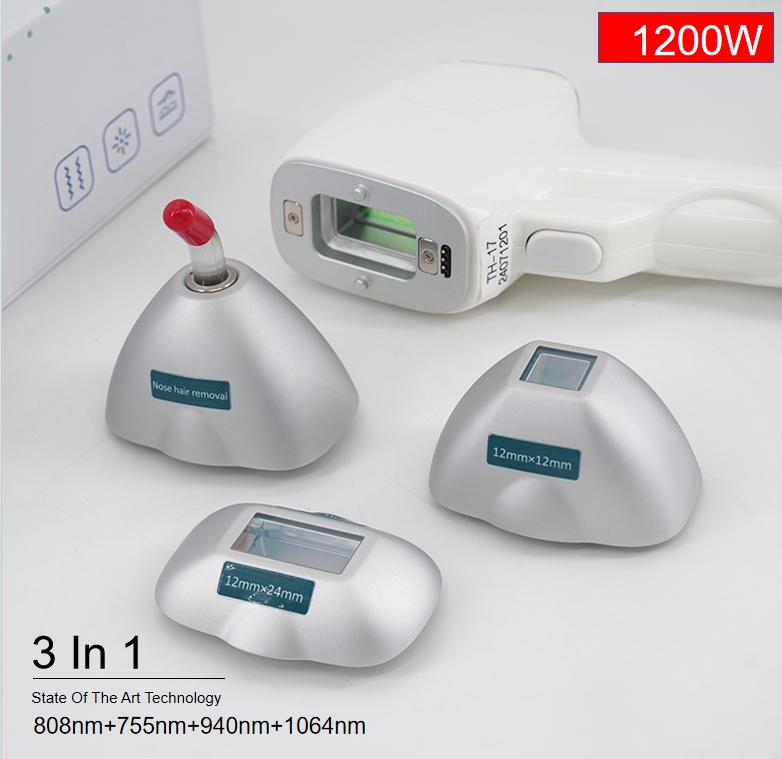
Understanding how a diode laser hair removal machine works across different skin types requires examining the precise science behind four specific wavelengths: 755nm, 808nm, 940nm, and 1064nm. Each wavelength represents a carefully engineered solution to target melanin in hair follicles while minimizing damage to surrounding skin tissue. The effectiveness of modern diode laser hair removal systems lies in their ability to combine multiple wavelengths, creating a comprehensive treatment protocol that adapts to various skin tones and hair characteristics. This multi-wavelength approach addresses the fundamental challenge of laser hair removal: achieving consistent results across the full spectrum of human skin pigmentation.
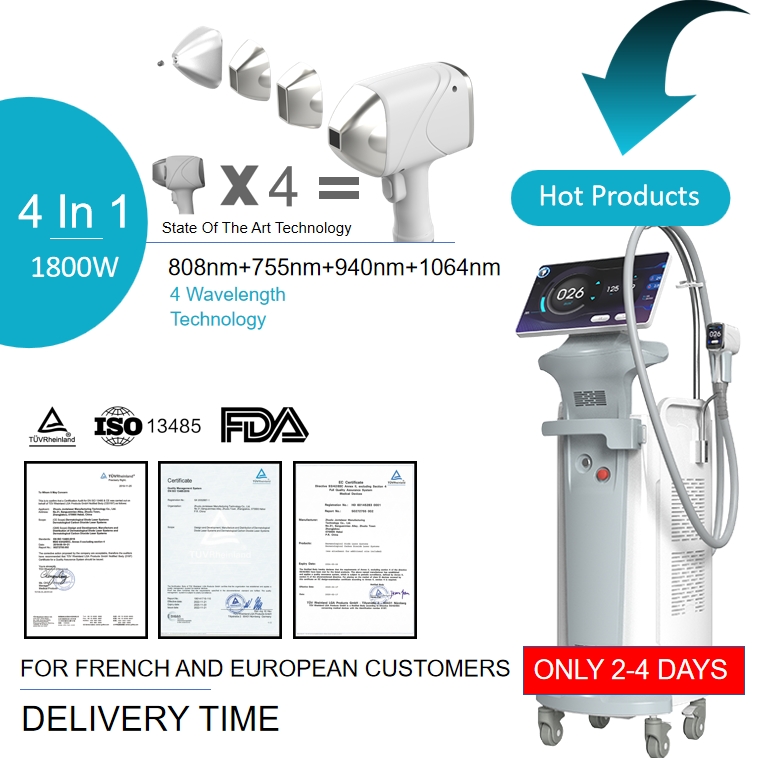
The scientific foundation of diode laser hair removal centers on selective photothermolysis, where specific wavelengths target chromophores in hair follicles without causing thermal damage to surrounding tissues. When a diode laser hair removal machine operates at multiple wavelengths simultaneously, it creates a synergistic effect that maximizes treatment efficacy while maintaining safety across diverse skin types. This technological advancement represents a significant evolution from single-wavelength systems, offering practitioners the flexibility to customize treatments based on individual patient characteristics and hair removal requirements.
The Physics of Wavelength Selection in Diode Laser Systems
Melanin Absorption Characteristics Across Different Wavelengths
The effectiveness of any diode laser hair removal machine depends fundamentally on how different wavelengths interact with melanin, the primary chromophore responsible for hair and skin pigmentation. At 755nm, the alexandrite wavelength demonstrates peak absorption by melanin, making it exceptionally effective for fine and light-colored hair on lighter skin types. This wavelength penetrates approximately 1-2mm into the skin, providing precise targeting of superficial hair follicles while minimizing thermal diffusion to surrounding tissues.
The 808nm wavelength represents the gold standard in diode laser hair removal technology, offering optimal balance between melanin absorption and tissue penetration depth. This wavelength penetrates 3-4mm into the dermis, reaching deeper hair follicles while maintaining sufficient selectivity for melanin over hemoglobin. The penetration characteristics of 808nm make it particularly effective for medium-depth hair follicles commonly found in areas like the legs, arms, and torso.
When examining 940nm and 1064nm wavelengths, the science shifts toward deeper tissue penetration with reduced melanin absorption. The 940nm wavelength provides intermediate penetration depth while maintaining reasonable melanin selectivity, making it suitable for coarse hair removal in patients with moderate skin pigmentation. Meanwhile, 1064nm offers the deepest penetration at 5-7mm, with reduced melanin absorption that makes it safer for darker skin types while still achieving effective hair follicle destruction.
Thermal Dynamics and Energy Distribution Patterns
The thermal dynamics within a multi-wavelength diode laser hair removal machine involve complex energy distribution patterns that vary significantly across the four primary wavelengths. Each wavelength creates distinct thermal profiles within the hair follicle and surrounding tissue, with temperature gradients that determine both treatment efficacy and safety margins. The 755nm wavelength generates rapid superficial heating, creating temperatures of 60-70°C within the hair shaft and upper follicle region within milliseconds of exposure.
At 808nm, the thermal profile extends deeper into the follicular structure, creating sustained temperatures of 50-60°C throughout the entire hair follicle length. This extended thermal zone ensures complete follicle destruction while maintaining controlled heating that prevents excessive damage to surrounding dermal structures. The thermal diffusion pattern at 808nm allows for effective treatment of both anagen and early catagen phase hair follicles.
The longer wavelengths of 940nm and 1064nm create broader thermal distribution patterns with lower peak temperatures but extended heating zones. These wavelengths generate temperatures of 45-55°C over larger tissue volumes, providing effective follicle heating while reducing the risk of epidermal damage in patients with higher melanin content in their skin. The extended thermal zones created by these wavelengths ensure complete follicular unit destruction even in cases where hair follicles extend deep into the subcutaneous tissue.
Skin Type Classification and Wavelength Matching Protocols
Fitzpatrick Skin Type Analysis and Treatment Parameters
Modern diode laser hair removal machine protocols utilize the Fitzpatrick skin classification system to determine optimal wavelength combinations for individual patients. Skin types I-II, characterized by fair skin with minimal melanin content, respond optimally to shorter wavelengths including 755nm and 808nm. These skin types can tolerate higher energy densities without risk of epidermal damage, allowing for aggressive treatment parameters that maximize hair follicle destruction while maintaining safety margins.
For skin types III-IV, representing medium complexion with moderate melanin content, the diode laser hair removal machine protocol emphasizes 808nm and 940nm wavelengths. These wavelengths provide sufficient melanin discrimination to target hair follicles while reducing competition from epidermal melanin. Treatment parameters for these skin types require careful balance between efficacy and safety, typically utilizing moderate energy densities with extended pulse durations to allow adequate thermal relaxation time.
Skin types V-VI present the greatest challenge for laser hair removal due to high epidermal melanin content that competes with follicular targets. For these darker skin types, the diode laser hair removal machine relies primarily on 1064nm wavelength with supplemental 940nm energy. The reduced melanin absorption at these longer wavelengths allows for safe treatment while still achieving effective hair follicle heating through deeper tissue penetration and extended pulse durations.
Hair Characteristics and Wavelength Optimization
The relationship between hair characteristics and optimal wavelength selection involves analyzing hair diameter, melanin density, and follicle depth to maximize treatment outcomes. Fine, light-colored hair requires the high melanin absorption provided by 755nm wavelengths, which can effectively target low-density melanin chromophores that longer wavelengths might not adequately heat. The precision of 755nm targeting makes it essential for treating vellus hair conversion and fine facial hair in appropriate skin types.
Medium to coarse hair responds optimally to 808nm wavelengths due to the balance between melanin absorption and penetration depth. This wavelength effectively heats hair shafts with moderate to high melanin content while penetrating sufficiently to reach the follicle bulb and dermal papilla. The 808nm wavelength remains the cornerstone of most diode laser hair removal machine protocols due to its versatility across various hair types and anatomical locations.
Coarse, deeply rooted hair requires the deeper penetration provided by 940nm and 1064nm wavelengths to ensure complete follicular destruction. These longer wavelengths can reach hair follicles that extend 4-6mm into the dermis, ensuring that even the deepest follicular structures receive adequate thermal damage. The combination of multiple wavelengths allows practitioners to address the full spectrum of hair characteristics present in any given treatment area.
Multi-Wavelength Synergy and Treatment Optimization
Simultaneous Wavelength Delivery Systems
Advanced diode laser hair removal machine systems utilize simultaneous multi-wavelength delivery to create synergistic effects that exceed the capabilities of single-wavelength treatments. When 755nm, 808nm, 940nm, and 1064nm wavelengths are delivered simultaneously, they create overlapping thermal zones that ensure comprehensive follicle destruction across varying depths and hair characteristics. This simultaneous delivery approach maximizes treatment efficiency while minimizing the number of sessions required for complete hair removal.
The engineering behind simultaneous wavelength delivery involves precise beam combining technologies that maintain the individual characteristics of each wavelength while creating a unified treatment beam. Each wavelength maintains its specific penetration depth and absorption characteristics, but the combined effect creates a thermal gradient that extends from the skin surface to the deepest follicular structures. This comprehensive heating pattern ensures that no follicular component escapes thermal damage regardless of the specific hair or skin characteristics.
Pulse timing coordination in multi-wavelength diode laser hair removal machine systems ensures optimal thermal accumulation without exceeding safety thresholds. The synchronization of multiple wavelengths requires sophisticated control systems that monitor tissue temperature in real-time and adjust energy delivery to maintain therapeutic temperatures while preventing overheating. This dynamic adjustment capability allows for consistent treatment outcomes across diverse patient populations.
Sequential Treatment Protocols and Wavelength Layering
Sequential wavelength delivery protocols offer an alternative approach to hair removal that allows for customized treatment depth control and selective targeting of different follicular components. In sequential protocols, the diode laser hair removal machine delivers wavelengths in specific sequences designed to optimize thermal accumulation while maintaining tissue safety. Typically, shorter wavelengths are delivered first to heat superficial follicular structures, followed by longer wavelengths that extend heating to deeper components.
The timing intervals between sequential wavelength deliveries are critical for maintaining therapeutic temperatures while allowing adequate thermal relaxation to prevent excessive tissue heating. Advanced systems incorporate real-time temperature monitoring that adjusts inter-pulse intervals based on measured tissue response, ensuring optimal thermal accumulation throughout the follicular structure. This adaptive approach maximizes treatment efficacy while maintaining safety margins across all skin types.
Sequential protocols also allow for real-time treatment adjustment based on patient response and tissue characteristics observed during the procedure. Practitioners can modify wavelength selection, energy levels, and pulse timing based on immediate tissue response, creating truly customized treatment protocols that optimize outcomes for each individual patient. This flexibility makes sequential delivery particularly valuable for treating challenging cases with mixed skin and hair characteristics.
Safety Mechanisms and Tissue Protection Strategies
Epidermal Cooling and Thermal Management
Effective thermal management in multi-wavelength diode laser hair removal machine systems requires sophisticated cooling technologies that protect epidermal structures while maintaining therapeutic temperatures in target follicles. Contact cooling systems maintain skin surface temperatures at 5-10°C throughout treatment, creating a thermal gradient that protects the epidermis while allowing follicular heating to proceed unimpeded. This temperature differential ensures that thermal damage remains confined to hair follicles rather than affecting surrounding skin structures.
Advanced cooling systems integrate with wavelength delivery protocols to provide dynamic thermal protection that adapts to the specific characteristics of each wavelength. Shorter wavelengths like 755nm require more aggressive cooling due to higher superficial absorption, while longer wavelengths like 1064nm allow for reduced cooling intensity due to deeper penetration patterns. The diode laser hair removal machine cooling system automatically adjusts cooling intensity based on wavelength selection and energy parameters.
Cryogenic cooling technologies represent the most advanced form of epidermal protection, utilizing temperatures as low as -20°C to create significant thermal protection for surface tissues. This extreme cooling allows for higher energy treatments that can achieve more complete follicle destruction while maintaining absolute safety for epidermal structures. The combination of multi-wavelength delivery and advanced cooling creates treatment windows that were previously impossible with single-wavelength systems.
Real-Time Monitoring and Safety Controls
Modern diode laser hair removal machine systems incorporate multiple real-time monitoring technologies that continuously assess tissue response and automatically adjust treatment parameters to maintain safety. Thermal imaging systems track skin surface temperature throughout treatment, providing immediate feedback on thermal accumulation that allows for real-time parameter adjustment. This monitoring capability prevents overheating while ensuring adequate thermal dose delivery to target follicles.
Impedance monitoring systems measure changes in tissue electrical properties that correlate with thermal damage, providing early warning of excessive heating before visible tissue changes occur. These systems can detect thermal damage at the cellular level, allowing for immediate treatment cessation if tissue response exceeds safe parameters. The integration of multiple monitoring technologies creates redundant safety systems that ensure patient protection even in challenging treatment scenarios.
Automated safety shutoff systems provide final protection against equipment malfunction or operator error, immediately terminating laser delivery if any monitored parameter exceeds predetermined safety limits. These systems operate independently of operator control, ensuring patient safety even in circumstances where human oversight might be compromised. The comprehensive nature of modern safety systems makes multi-wavelength diode laser hair removal machine treatments extremely safe across all skin types when properly operated.
Clinical Applications and Treatment Protocols
Anatomical Considerations and Wavelength Selection
Different anatomical areas require specific wavelength combinations based on hair characteristics, skin thickness, and follicle depth variations. Facial treatments typically utilize 755nm and 808nm wavelengths due to the fine hair characteristics and relatively shallow follicle depth common in these areas. The precision offered by shorter wavelengths allows for effective treatment of fine facial hair while minimizing the risk of thermal damage to delicate facial skin structures.
Body treatments, particularly on areas like the legs, back, and chest, benefit from the full spectrum of wavelengths available in modern diode laser hair removal machine systems. These areas typically contain a mixture of hair types ranging from fine to coarse, requiring the comprehensive approach provided by multi-wavelength systems. The deeper follicles common in body areas necessitate the penetration capabilities of 940nm and 1064nm wavelengths to ensure complete follicular destruction.
Sensitive areas such as the bikini line and underarms require careful wavelength selection based on individual hair and skin characteristics. These areas often contain coarse, deeply rooted hair combined with sensitive skin that requires gentle treatment approaches. Multi-wavelength systems allow practitioners to customize treatment protocols that provide effective hair removal while maintaining comfort and safety in these sensitive anatomical regions.
Treatment Session Planning and Progression Protocols
Effective treatment planning with multi-wavelength diode laser hair removal machine systems involves progressive protocols that optimize wavelength combinations across multiple sessions. Initial treatments typically utilize lower energy levels across all wavelengths to assess individual tissue response and establish baseline parameters. This conservative approach allows practitioners to identify optimal wavelength combinations and energy levels for each patient before advancing to more aggressive treatment parameters.
Progressive energy escalation protocols gradually increase treatment intensity across subsequent sessions based on observed hair reduction and tissue tolerance. Patients with favorable response to initial treatments may advance to higher energy levels and more aggressive wavelength combinations, while those showing sensitivity may require extended treatment courses with conservative parameters. This individualized approach ensures optimal outcomes while maintaining safety across diverse patient populations.
Maintenance protocols utilize reduced energy levels and selective wavelength combinations to address residual hair growth and prevent recurrence. These protocols typically emphasize longer wavelengths that can effectively target residual coarse hair while minimizing treatment intensity. The flexibility of multi-wavelength systems allows for precise maintenance treatments that can be customized based on specific hair regrowth patterns observed in individual patients.
FAQ
How do multiple wavelengths in a diode laser hair removal machine improve treatment effectiveness compared to single wavelength systems?
Multiple wavelengths create synergistic effects by targeting different components of the hair follicle simultaneously. While 755nm targets superficial melanin and fine hair, 808nm provides optimal balance for medium hair, 940nm reaches intermediate depths, and 1064nm penetrates deepest for coarse hair and darker skin types. This comprehensive approach ensures complete follicle destruction across varying hair and skin characteristics that single wavelength systems cannot adequately address, resulting in higher success rates and fewer required treatment sessions.
Can darker skin types safely receive treatment from all four wavelengths in diode laser hair removal machines?
Darker skin types require careful wavelength selection prioritizing longer wavelengths like 940nm and 1064nm, which have reduced epidermal melanin absorption and deeper penetration capabilities. While 755nm and 808nm may be used at reduced energy levels in some cases, the primary treatment for Fitzpatrick skin types V-VI relies on 1064nm wavelength with advanced cooling systems. Modern multi-wavelength systems include safety protocols and real-time monitoring that make treatment possible for all skin types when proper parameters are utilized.
What determines the optimal wavelength combination for individual patients during diode laser hair removal treatments?
Optimal wavelength selection depends on multiple factors including Fitzpatrick skin type, hair color and thickness, follicle depth, treatment area anatomy, and individual tissue response patterns. Practitioners evaluate these characteristics during initial consultation and may perform test spots to determine tissue response before establishing treatment protocols. Advanced diode laser hair removal machine systems allow real-time adjustment of wavelength combinations based on observed tissue response, ensuring customized treatment that maximizes efficacy while maintaining safety for each individual patient.
How long should intervals be between treatments when using multi-wavelength diode laser hair removal machines?
Treatment intervals for multi-wavelength systems typically range from 4-8 weeks depending on anatomical location, hair growth cycles, and individual response patterns. Facial treatments may require 4-6 week intervals due to shorter hair growth cycles, while body treatments often utilize 6-8 week intervals. The comprehensive nature of multi-wavelength treatments may allow for slightly longer intervals compared to single wavelength systems due to more complete follicle destruction, but individual hair growth patterns ultimately determine optimal scheduling for maximum treatment effectiveness.
Table of Contents
- The Physics of Wavelength Selection in Diode Laser Systems
- Skin Type Classification and Wavelength Matching Protocols
- Multi-Wavelength Synergy and Treatment Optimization
- Safety Mechanisms and Tissue Protection Strategies
- Clinical Applications and Treatment Protocols
-
FAQ
- How do multiple wavelengths in a diode laser hair removal machine improve treatment effectiveness compared to single wavelength systems?
- Can darker skin types safely receive treatment from all four wavelengths in diode laser hair removal machines?
- What determines the optimal wavelength combination for individual patients during diode laser hair removal treatments?
- How long should intervals be between treatments when using multi-wavelength diode laser hair removal machines?