


 EN
EN



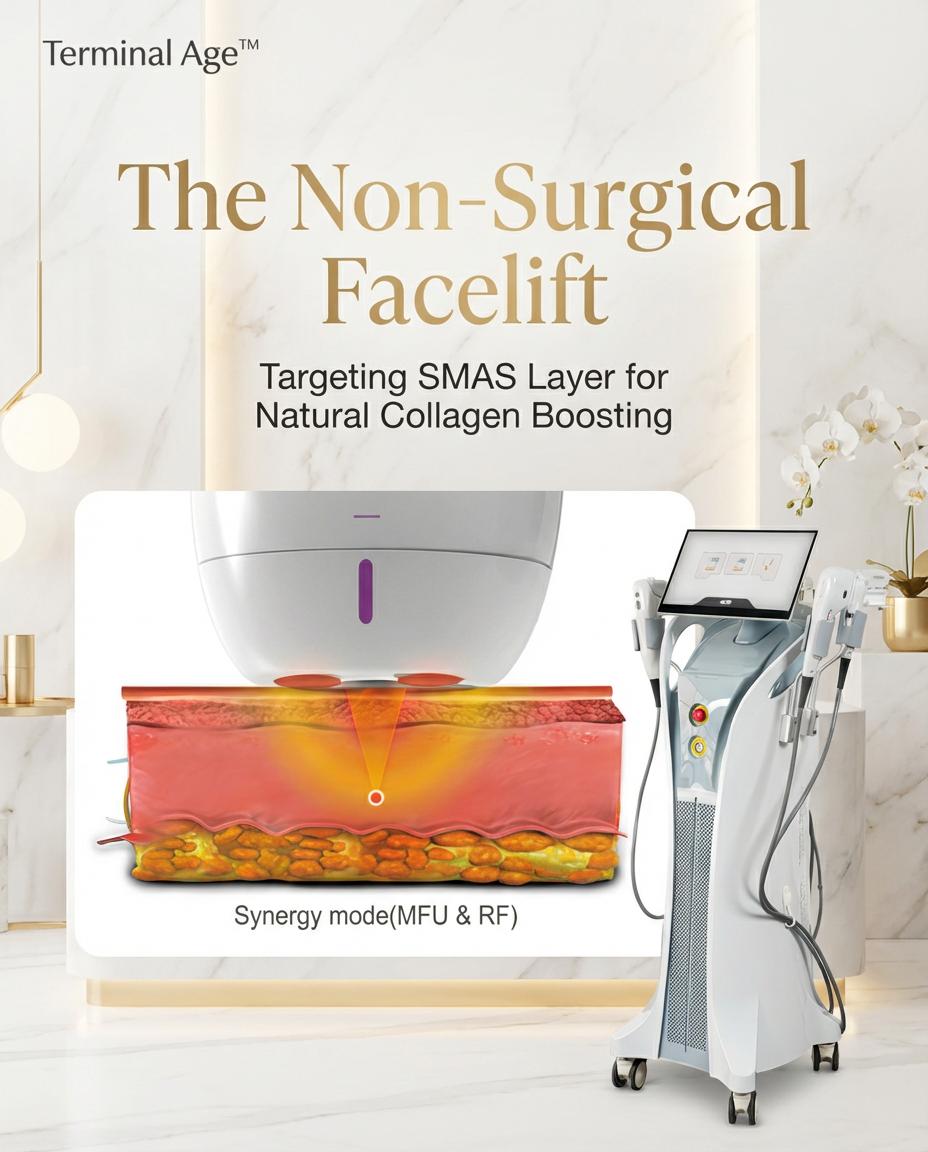
הפרופיל הבטחוני של הטיפולים בהיפו הפך לשקול קריטי כשמספר הפורשים והחולים שמתמודדים עם אלטרנטיבה זו ללא פליטה למתיחת גבה וצוואר גדל. טכנולוגיית אולטרסאונד ממוקד בעוצמה גבוהה מציעה יתרונות משמעותיים על פני התערבויות ניתוחיות, אך הבנת פרמטרי הבטיחות המורכבים היא חיונית לצורך קבלת החלטות מושכלות. הטיפולים המודרניים בהיפו התפתחו כדי לכלול אפשרויות תדר מרובות ומערכות ייעוד מדויק שמשפרות הן את האפקטיביות והן את תוצאות הבטיחות ליישומים של רענון פנים.
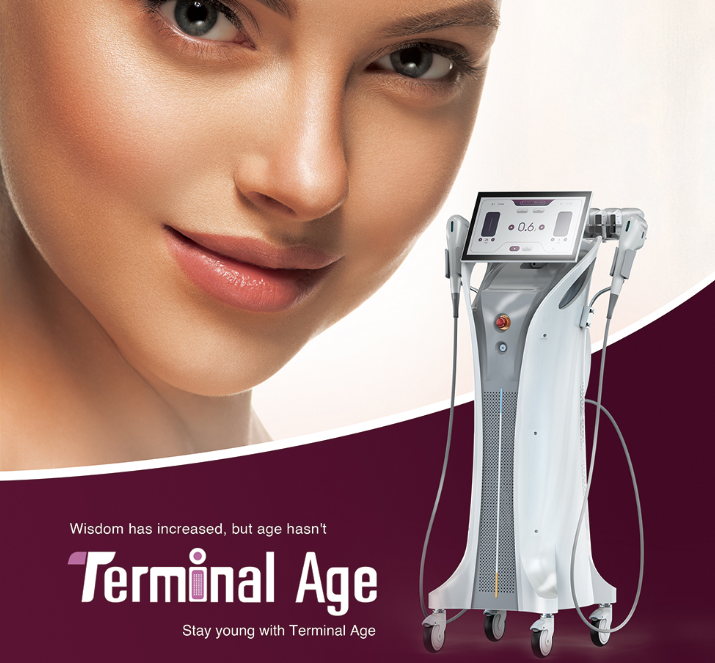
הראיות הקליניות מראות כי טיפולים בהאיפו שומרים על תיעוד בטיחות מצוין כאשר מבוצעים בהתאם לפרוטוקולים המתאימים וע"י מטפלים מוסמכים. היכולת של הטכנולוגיה למקד עומקים ספציפיים ברקמות תוך שמירה על שלמות העור הפנים מהווה יתרון בטיחות יסודי לעומת הליכי הרמת כירורגיה מסורתיים. מערכות האיפו המתקדמות כוללות כיום ניטור בזמן אמת ובקרות מדויקות שמחזקות עוד יותר את הבטיחות תוך מקסום התוצאות הטיפוליות ליישומים של רjuvenציה של הגבות והצוואר.
מנגנוני הבטיחות הפיזיולוגיים של טכנולוגיית האיפו
בחירת רקמה ושליטה בעומק
הבטחה המובנית בטיפולים בהיפו נובעת מהיכולת של הטכנולוגיה למקד ברקירות רקמות בעומקים מוגדרים מראש, מבלי להשפיע על המבנים הסמוכים. אנרגיית האולטרסאונד הממוקדת יוצרת אזורים מדויקים של קרישות תרמית במערכת האפוניאורוטית השרירית העליונה (SMAS) ובשכבות העור העמוקות יותר, תוך שומרת על האפידרמיס בשלמותה. מנגנון הכוונה הבחירתית הזה מפחית באופן משמעותי את הסיכון לכוויות שטח, צלקות או שינויים בשיזוף שיכולים להתרחש בטיפולים אחרים מבוססי אנרגיה.
הטיפולי היפו המודרניים משתמשים באפשרויות תדר מרובות, שמתפשטות מ-1.5 מГץ עד 7 מГץ, כאשר כל תדר נועד להגיע לעומקים ספציפיים של רקמה עם שולי בטיחות אופטימליים. התדר של 1.5 מГץ יעד בדרך כלל לעומק של 15 מ"מ להרמת השכבה הסופרפיישיאלית המוסקולרית (SMAS), בעוד שהתדרים של 3 מГץ ו-4.5 מГץ ממוקדים בהתאמה בשכבות הדירמיות האמצעיות והעמוקות. ממוקדות זו המדויקת מבטיחה שהטיפולי היפו מספקים את האנרגיה הטיפולית בדיוק במקום הנדרש, תוך שמירה על גבולות הבטיחות סביב מבנים אנטומיים קריטיים.
פרמטרי בטיחות תרמיים
בקרת הטמפרטורה מהווה היבט בטיחותי קריטי בטיפולי HIFU, כאשר טמפרטורות טיפוליות נותרות בטווח של 65–70° צלזיוס כדי להשיג דניאטורה אופטימלית של קולגן ועיצוב מחדש שלו. מחזורי החימום והקירור המהירים, האופייניים לטכנולוגיית HIFU, מונעים הצטברות תרמית מוגזמת שעלולה לפגוע ברקמות בריאותיות. מערכות מתקדמות כוללות ניטור טמפרטורה בזמן אמת ומנגנוני כיבוי אוטומטי כדי להבטיח שהפרמטרים התרמיים נשארים בתוך טווחי הטיפול הבטוחים לאורך כל תהליך הטיפול.
אזורים תרמיים של קרישות שנוצרו על ידי טיפולים בהאיפו נשלטים במדויק בגודלם ובהתפלגות הטמפרטורה, ומדידתם בדרך כלל 1–2 מ"מ בקוטר ו-2–3 מ"מ באורך. תגובה תרמית מבוקרת זו מפעילה תהליכי ריפוי טבעיים של פצעים שמעוררים ייצור קולגן וצמצום רקמה ללא גרימת נזק תרמי נרחב. פרופיל הבטיחות מועץ עוד יותר על ידי מנגנוני הקירור הטבעיים של הגוף, אשר מפזרים חום מהאזורים המטופלים במהירות.
נתוני בטיחות קלינית ופרופילים של אירועים לא רצויים
הסיבוכים הנפוצים ואופן ניהולם
מחקרים קליניים נרחבים מראים שטיפולים בהאיפו יוצרים תופעות לוואי מינימליות כאשר מבוצעים בהתאם לפרוטוקולים המוכרים. התופעות הלוואי הנפוצות ביותר שדווחו כוללות אדמומיות זמנית, נפיחות קלה ותחושת תירסום עבירה באזור הטיפול, אשר כולן נפתרות בדרך כלל תוך 24–48 שעות לאחר הטיפול. תגובות אלו נחשבות לתגובות פיזיולוגיות נורמליות לפגיעת החום המ kontroliert שנוצרת על ידי טיפולים בהאיפו, ומעידות על תגובה טיפולית תקינה ולא על חששות לבטיחות.
שינויים חושיים זמניים עשויים להתרחש בכ-2-5% מהמטופלים המקבלים טיפולי HIFU להרמת גבות וצוואר, המתבטאים בדרך כלל כעקצוץ קל או חוסר תחושה לאורך הטיפול. שינויים חושיים אלה בדרך כלל חולפים מעצמם ונעלמים לחלוטין תוך 2-6 שבועות ככל שהרקמה מתקדמת. השכיחות הנמוכה והאופי הזמני של תופעות אלו מדגישים את פרופיל הבטיחות המצוין של מתן נכון של התרופה. האיפו ביחס לחלופות כירורגיות פולשניות.
מגבלות שימוש ואסטרטגיות להפחתת סיכונים
בחירת המטופל משחקת תפקיד מרכזי בהבטחת פרופיל הבטיחות של טיפולים באולטרסאונד ממוקד עוצמתי (HIFU), ונקבעו מגבלות שימוש ספציפיות כדי למנוע תוצאות לא רצויות. מגבלות שימוש מוחלטות כוללות הריון, זיהומים פעילים באזורים שיעוטרו, אקנה קיסטית חמורה ותנאים אוטואימוניים מסוימים שעלולים לפגוע בתהליך התר heals הרגיל. מגבלות שימוש יחסיות, כגון ביצוע פרוצדורות קוסמטיות לאחרונה, שימוש בתרופות מסוימות או ציפיות לא מציאותיות, דורשות הערכה זהירה וייתכן שידרשו התאמות לטיפול או דחייתו.
אשכולות אסטרטגיות להפחתת הסיכונים לטיפולים בהיפוקולסיה כוללות ייעוץ מקיף לפני הטיפול, היסטוריות רפואיות מפורטות ופרוטוקולים מתאימים לקרירה במהלך ובמהלך הטיפול. המטפלים חייבים לערוך הערכה זהירה של עובי העור, שוני אנטומית והיכולת האישית לריפוי על מנת לאופטימיזציה של פרמטרי הטיפול עבור כל חולה. הדרכה מתאימה בטכניקות, קליברציה של הציוד והקפדה על הנחיות היצרן מפחיתים עוד יותר את הסיכונים ומבטיחים תוצאות בטיחותיות עקביות במרחבים רפואיים שונים.
ניתוח בטיחות השוואתי עם הליכים חלופיים
העלאה כירורגית לעומת טיפולים בהיפוקולסיה
פרופיל הבטיחות של טיפולים בהיפוסון ממוקד (HIFU) מציג יתרונות משמעותיים לעומת הליכי הרמה המסורתיים של הגבות והצוואר, במיוחד בנוגע לסיכונים של זיהום, مضاعות תחת אסתזיה ובעיות הקשורות להתאוששות. לניתוחי הרים פנים יש סיכונים מובנים, כולל דימום, נזק לעצבים, צלקות וمضاعות הקשורות לאסתזיה, אשר משפיעים על כ-5–15% מהחולים. להבדיל, טיפולים בהיפוסון ממוקד (HIFU) מבטלים לחלוטין את הסיכונים החירurgיים הללו, תוך השגת תוצאות משמעותיות של הרמה ודיקוק באמצעות מנגנונים שאינם פולשניים.
שקולות הבטיחות בתקופת השיקום תומכות אף יותר בטיפולים בהיפו, אשר מאפשרים לחולים לחזור לפעילותם הרגילה מיד לאחר הטיפול, ללא הגבלות על הפעילות או דרישות לטיפול בפצעים. הליכים כירורגיים דורשים בדרך כלל 2–4 שבועות של פעילות מוגבלת, מעקב אחר הפצעים וניהול סיבוכים פוטנציאליים, מה שיוצר תקופות ארוכות של סיכונים קשורים לשיקום. החוסר בקריעות, תפרים או טראומה כירורגית בטיפולים בהיפו מאפס את הסיכונים להידבקות ומצמצם באופן משמעותי את הסבירות לסיבוכים חמורם.
השוואת מכשירים מבוססי אנרגיה
בהשוואה לטכנולוגיות אחרות להדקת העור המבוססות על אנרגיה, טיפולים בהיפו מפגינים פרופילים גבוהים יותר של ביטחון בשל שיטת ההעברה ללא מגע והיכולת להתמקד באנרגיה באופן מדויק. טיפולים ברדיופרקיינסי וליזר מעורבים לרוב במגע ישיר עם העור ובהפצה רחבה יותר של האנרגיה, מה שמגביר את הסיכונים של בעיות קורא, שינויים בשקיפות הצליל (פיגמנטציה) ודפוסי חימום לא אחידים. האופי הממוקד של הטיפולים בהיפו מבטל את הסיכונים הקשורים במגע, תוך ספקת העברת אנרגיה ניבחנת ומבוקרת יותר.
נתוני הביטחון ארוכי הטווח תומכים בשימוש בטיפולים בהיפו כאופציה בלתי פולשנית מועדפת, ומחקרים שמעקב אחר המטופלים עד חמש שנים לאחר הטיפול לא מצאו עלייה בסיכונים של סרטן, תגובות אוטואימוניות או נזק קבוע לרקמות. האופי הביוקומפטיבילי של אנרגיית האולטרסאונד וההיסטוריה הארוכה שלו כטכניקה בטוחה לשימוש רפואי בתמונות אולטרסאונד ויישומים טרפואטיים מספקים ביטחון נוסף בנוגע לפרופיל הביטחון של הטכנולוגיה ליישומים קוסמטיים.
שקולות בטיחות בפרוטוקול הטיפול
הערכה מקדימה של הבטיחות
פרוטוקולי בטיחות מקיפים לטיפולים בהאיפו מתחילים עם הערכות מקדמות תמציתיות שזוהות סיכונים פוטנציאליים וממירות את פרמטרי הטיפול עבור כל מטופל באופן אישי. הערכת ההיסטוריה הרפואית חייבת לכלול את התרופות הנוכחיות, הליכים קוסמטיים קודמים, מצבים דרמטולוגיים וכולי גורם אחר שיכול להשפיע על תהליך האילוף או על התגובה לטיפול. תיעוד צילומי ותיאור אנטומיה מפורט עוזרים להבטיח תכנון טיפול מדויק תוך הימנעות מאזורים אנטומיים רגישים.
פרוטוקולי הכנת העור לטיפולי HIFU כוללים ניקוי מעמיק, הפעלת ג'ל אולטרסאונד והצבת סימונים מדויקים באזורים המטופלים כדי להבטיח העברה אופטימלית של האנרגיה ובטיחות המטופל. מערכות ניטור טמפרטורה וסcales להערכה של כאב עוזרות למטפלים לשמור על פרמטרים תרפויטיים בטווח הבטוח תוך הבטחת נוחות המטופל לאורך כל ההליך. פרוטוקולים סטנדרטיים אלו תורמים באופן משמעותי לפרופיל הבטיחות הקבוע שנצפה בעריכת קלינית.
ניטור בטיחות לאחר הטיפול
פרוטוקולי הבטיחות לאחר הטיפול לטיפולי HIFU מדגישים את החשיפה של המטופל לתהליכים נורמליים של ריפוי, וכן הנחיה ברורה לזיהוי סיבוכים פוטנציאליים הדורשים התערבות רפואית. המטופלים מקבלים הוראות מפורטות לאבחנה לאחר הטיפול, כולל המלצות להגנה מהשמש, שגרות טיפול עדין בעור ומערכת הנחיות פעילות שתומכות בריפוי אופטימלי תוך מינימיזציה של הסיכונים לתופעות לוואי.
תזמן מעקב מאפשר למקצוענים לעקוב אחר תגובות הטיפול ולזהות כל תגובות מאוחרות שעלולות לדרוש התערבות. פרופיל הבטיחות המمتاز של טיפולים בהאיפו (HIFU) דורש בדרך כלל מינימום של מעקב לאחר הטיפול בהשוואה לתהליכים פולשניים, אך הקמת ערוצי תקשורת ברורים מבטיחה מענה מהיר לכל דאגה שיכולה לצוץ במהלך תקופת ההחלמה.
בטיחות לטווח ארוך ותאימות ביולוגית
תגובת הרקמה ודפוסי התחזקות
מחקרים על בטיחות לטווח ארוך של טיפולים בהאיפו (HIFU) מראים תאימות ביולוגית מעולה עם תהליכי התחזקות הטבעיים של הרקמות, ללא עדות לצלקות חריגות, דלקת כרונית או נזק תאי מעבר לאזורים הטיפוליים המיועדים. הפציעה החום המ kontroliert שנוצרת על ידי טיפולים בהאיפו (HIFU) מפעילה סדרת תהליכי ריפוי פצעים צפויים, אשר מסתיימים בעיבוד מחדש מסודר של קולגן ובעקיצת הרקמה, מבלי לפגוע בארכיטקטורה או בתפקוד הרגיל של העור.
מחקרים היסטולוגיים של דגימות רקמה שנלקחו חודשים עד שנים לאחר טיפולים בהאיפו מראים מבנה תאי נורמלי וארגון קולגן בריא, מה שמאשר את הבטיחות של תהליך השינוי החום. היעדר חומרים זרים או שתלים קבועים בטיפולים בהאיפו מאלץ את דאגות ההתאמה הביולוגית לטווח הארוך הקשורות לטיפולי קוסמטיקה אחרים, ונותן לחולים ביטחון בתמונה הבטוחה המתמשכת של הטכנולוגיה.
בטיחות הטיפול החוזר
פרופיל הבטיחות של הטיפולים בהאיפו תומך בטיפולים חוזרים כאשר יש לכך סיבה קלינית, ומחקרים מראים שאין אפקטים שליליים מצטברים ממספר ישיבות טיפול. תהליך השינוי התאי הטבעי שמיוצר על ידי טיפולים בהאיפו אינו פוגע ביכולת העור להגיב בצורה בטוחה לטיפולי המשך, מה שמאפשר טיפולים לתמיכה או הרמה נוספת לפי הצורך לאורך זמן.
ההמלצות לגבי הפרק الزمنי בין טיפולים בהיפר-אולטרה-סאונד (HIFU) נעים בדרך כלל בין 12 ל-18 חודשים, כדי לאפשר את התחדשות הרקמה בשלמותה ואת הערכת התוצאות של הטיפול הקודם באופטימום. פרק הזמן הזה מבטיח שטיפולים חוזרים בהיפר-אולטרה-סאונד ישמורו על אותו פרופיל בטחון מעולה כמו הטיפולים הראשונים, תוך מקסימיזציה של היתרונות הטיפוליים המצטברים עבור מטופלים המחפשים רענון פנים מתמשך.
שאלות נפוצות
אילו הם הסיכונים והתופעות הלא רצויות הנפוצות ביותר של טיפולים בהיפר-אולטרה-סאונד (HIFU) להגבהת הגבות ולשיפוץ האזור הצווארי?
התופעות הלא רצויות הנפוצות ביותר של טיפולים בהיפר-אולטרה-סאונד (HIFU) כוללות אדמומיות זמנית, נפיחות קלה ורגישות קלה באזורים המטופלים, אשר נוטות להיעלם בתוך 24–48 שעות. חלק מהמטופלים עלולים לחוש תחושת תרדמה או דלקות זמנית לאורך קווי הטיפול, אשר בדרך כלל נחלשות תוך 2–6 שבועות. תופעות אלו נחשבות לתגובות רגילות של תהליך האלתרות ולא לסיכונים ביטחוניים, ומעידות על פעילות טיפולית תקינה.
איך מתארים את פרופיל הבטחון של הטיפול בהיפר-אולטרה-סאונד (HIFU) בהשוואה לפאות כירורגיות?
טיפולים בהיפו מציעים פרופיל בטיחותי משמעותי יותר בהשוואה למתיחות פנים kirurgiot, ומביאים להיעדר סיכונים הקשורים לתנומה, مضاعות kirurgiot, זיהום ותקופות שיקום ממושכות. בעוד שפעולות kirurgiot נושאות שיעור של 5–15% של مضاعות, כולל דימום, פגיעה בעצבים וצלקות, טיפולים בהיפו שומרים על פרופיל סיכון מינימלי, ללא תופעות לוואי קבועות שנרשמו במחקרים קליניים. המטופלים יכולים לחזור לפעילותם הרגילה מיד לאחר הטיפול בהיפו, ללא תקופת שיקום של שבועות הנדרשת בפעולות kirurgiot.
האם קיימים חששות לבטיחות לטווח הארוך בנוגע לטיפולים חוזרים בהיפו?
נתוני בטיחות לטווח ארוך שמתפרסים עד חמש שנים מראים שאין השפעות שליליות מצטברות מתהליכי HIFU חוזרים כאשר הם מבוצעים במרווחי זמן מתאימים. תהליך התיקון הטבעי של הרקמה אינו פוגע בריאות העור או בתגובתיות שלו לטיפולי המשך. הליכים חוזרים שומרים על אותו פרופיל בטיחות מעולה כמו הטיפולים הראשונים, ומרווחי הזמן המומלצים של 12–18 חודשים מאפשרים ריפוי מלא והערכה אופטימלית של התוצאות.
מי צריך להימנע מטיפולי HIFU מסיבות של בטיחות?
חולים שאמורים להימנע מטיפולי HIFU כוללים נשים בהריון, אנשים עם זיהומים פעילים בעור או אקנה קשה באזורים המטופלים, וכן אנשים עם מחלות אוטואימוניות מסוימות שעלולות לפגוע בתהליך הרכיה. ביצוע טיפולי קוסמטיקה אחרונים, שימוש בתרופות מסוימות וציפיות לא מציאותיות עלולות לדרוש דחיית הטיפול או התאמתו. ייעוץ מקיף עם מטפל מוסמך מבטיח בחירת חולים נכונה ותוצאת בטיחות אופטימלית לטיפולי HIFU.
תוכן העניינים
- מנגנוני הבטיחות הפיזיולוגיים של טכנולוגיית האיפו
- נתוני בטיחות קלינית ופרופילים של אירועים לא רצויים
- ניתוח בטיחות השוואתי עם הליכים חלופיים
- שקולות בטיחות בפרוטוקול הטיפול
- בטיחות לטווח ארוך ותאימות ביולוגית
-
שאלות נפוצות
- אילו הם הסיכונים והתופעות הלא רצויות הנפוצות ביותר של טיפולים בהיפר-אולטרה-סאונד (HIFU) להגבהת הגבות ולשיפוץ האזור הצווארי?
- איך מתארים את פרופיל הבטחון של הטיפול בהיפר-אולטרה-סאונד (HIFU) בהשוואה לפאות כירורגיות?
- האם קיימים חששות לבטיחות לטווח הארוך בנוגע לטיפולים חוזרים בהיפו?
- מי צריך להימנע מטיפולי HIFU מסיבות של בטיחות?