


 EN
EN


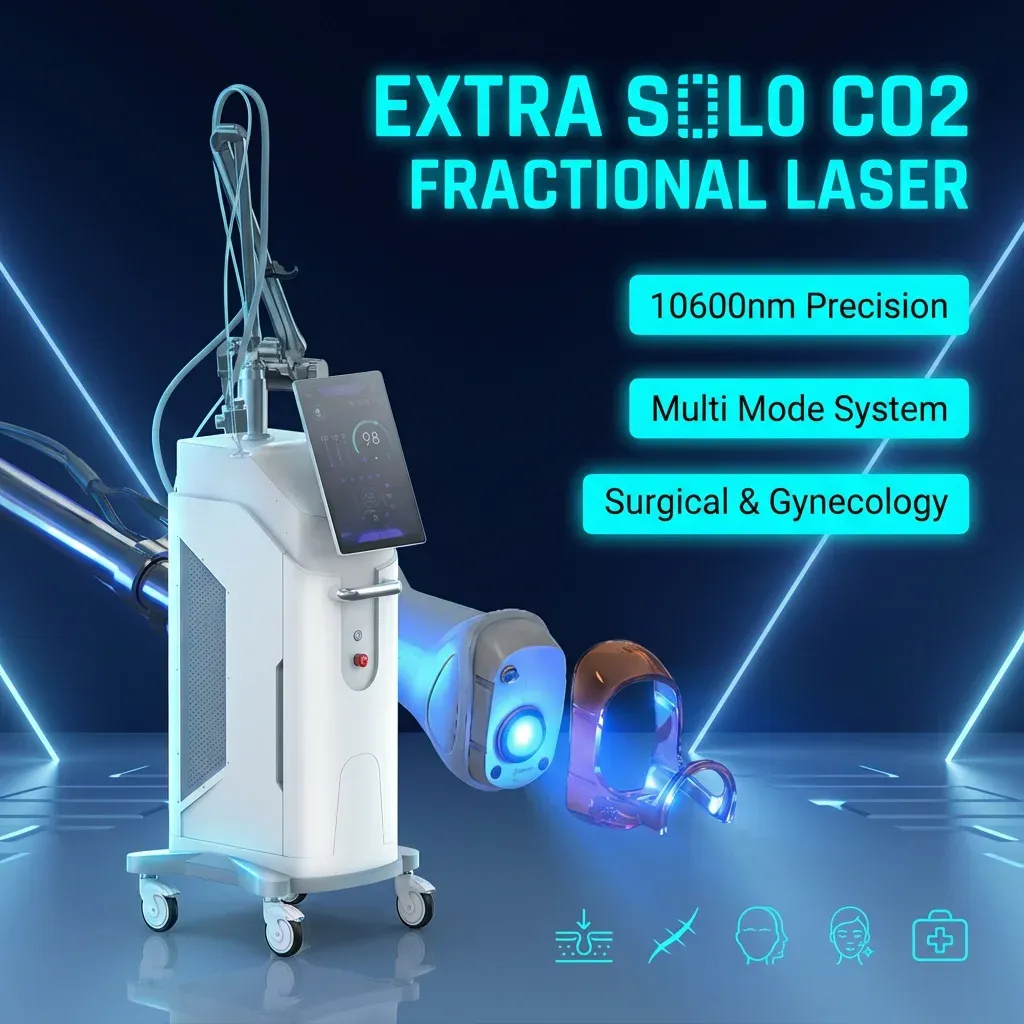
Kada je riječ o liječenju dubokih ožiljaka od akni, malo tehnologija pokazalo je dosljednost i kliničku dubinu uređaj za lasiranje CO2 - Što? Za razliku od površinskih tretmana koji se bave samo vanjskim slojem kože, ova tehnologija cilja strukturalni korijen ožiljaka - oštećeni kolagens kože ispod površine. Za klinike i medicinske estetske prakse koje traže pouzdane rezultate, frakciono CO2 laser stroj je postao temeljno rješenje.
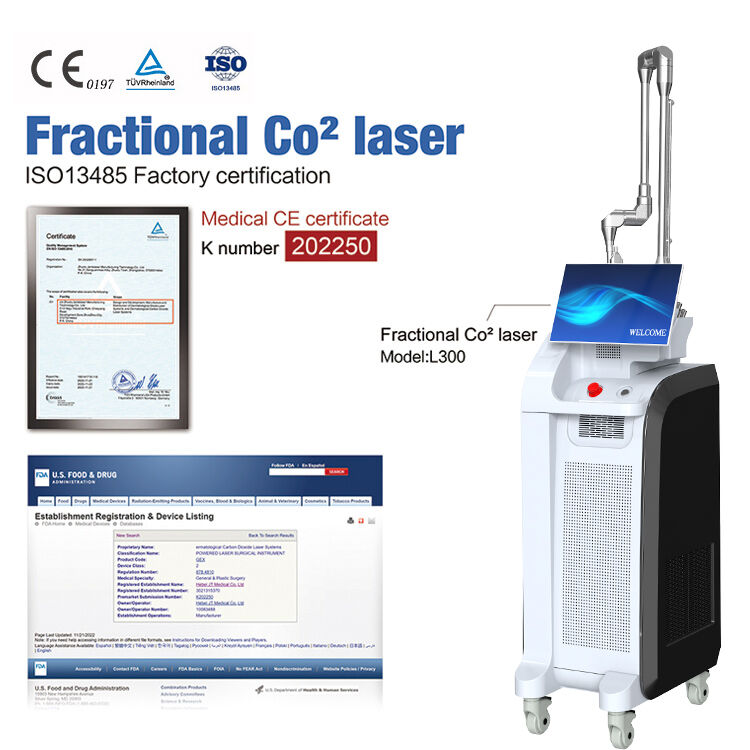
Duboke ožiljke od akni posebno one od vrste ledenača, kočije i valjaka teško se liječe jer uključuju gubitak strukturalnog tkiva duboko u dermisu. Fractional CO2 laser stroj rješava ovaj izazov isporučivanjem kontroliranih mikro-kolona laserske energije u kožu, stimulirajući prirodni sustav za iscjeljivanje tijela iznutra. Da bismo točno razumeli zašto je ovaj uređaj bolji od drugih, potrebno je pažljivije pogledati njegov mehanizam, kliničke prednosti i idealne scenarije liječenja.
Kako je fracionirani CO2 laser namijenjen ožiljku
Znanost o frakcijskom ablaciji
U frakcionalnom CO2 laserskom stroju koristi se valna dužina lasera ugljičnog dioksida od 10.600 nm, koja se vrlo dobro apsorbira vodom u stanicama kože. Umjesto da se cijela površina kože jednako ukloni, sustav frakcijske isporuke stvara tisuće mikroskopskih zona za liječenje koje se nazivaju mikrotermalne zone, a okolno tkivo ostaje netaknuto. Ovaj "fracionirani" pristup je ono što razdvaja fracionirani CO2 laser stroj od starijih potpuno ablativnih sustava.
Svaka mikro-termalna zona prodire u srednju do duboku kožu, uništavajući oštećeni kolagen i pokrećući reakciju zacijelivanja rana. Aktivnost fibroblasta se povećava, sintetiziraju se nova kolagenska vlakna, a koža se tijekom tjedana postupno preoblikuje. Fractional CO2 laser stroj u osnovi stvara kontrolirane mikro ozljede da bi se vratila duboka obnova tkiva bez dugotrajnog zastoja potpune ablacije.
Kontrola dubine i usklađivanje tipa ožiljaka
Jedna od ključnih kliničkih prednosti fracionirane laserske mašine za CO2 je njegova podešavana dubina prodiranja. Liječnici mogu postaviti energiju, gustoću i trajanje pulsa kako bi se poklopili s specifičnom vrstom i težinom ožiljaka od akni koje se liječe. Za duboke ledene ožiljke obično se koristi veća gustoća energije s većom prodorom dubine. Za plitke ožiljke, postavljanje manjeg gustoće omogućuje poboljšanje površine dok i dalje pokreće regeneraciju kolagena.
Ova prilagodljivost čini frakcionalnu CO2 lasersku mašinu mnogo svestranom od kemijskog pilinga ili mikroglavljenja, koji imaju ograničenja u pogledu dubine efikasne stimulacije popravka tkiva. Fractional CO2 laser stroj doseže dubine tkiva koje drugi ne-laser modaliteti jednostavno ne mogu pristupiti s istom preciznošću.
Kliničke prednosti u odnosu na alternativne metode liječenja
Zašto je fracionirani CO2 laserski stroj bolji od sličnih uređaja
U usporedbi s neablativnim lasere, frakcijski CO2 laser proizvodi znatno vidljivije poboljšanje po sesiji. Neablativni uređaji stvaraju toplinu ispod kože bez uklanjanja tkiva, što ograničava njihovu učinkovitost na pravi ožiljak kože. U suprotnosti s tim, frakcionalni CO2 laser uklanja oštećene tkivne stupce dok istodobno zagrijava okolna područja kako bi stimulirao robusnu proizvodnju kolagena pružajući dvostruko djelovanje.
Mikronagla s radiofrekvencijom je još jedna opcija koja se često koristi, ali klinička usporedba dosljedno pokazuje da frakciono CO2 laser stroj postiže veću smanjenje dubine ožiljka u manje sesija. Ova učinkovitost je od značajnog značaja u kliničkom okruženju, gdje usklađenost pacijenata i vrijeme do rezultata izravno utječu na rezultate zadovoljstva. Liječnici koji ulažu u lasersku mašinu s frakcijskim CO2 dioksidom izvješćuju da pacijenti postižu mjerljivo poboljšanje nakon samo dva do tri sesije u mnogim slučajevima od umjerenih do teških.
Trajanje i dugoročni rezultati preuređenja kolagena
Preobrazba kolagena započeta fracioniranim CO2 laserskim strojem nastavlja se tri do šest mjeseci nakon svake terapije. To znači da rezultati nisu samo neposredni u pogledu teksture površine, već se i dalje poboljšavaju s vremenom kako novi kolagen sazrijeva i organizira unutar dermisa. Pacijenti koji su liječeni fracioniranim CO2 laserskim strojem često izvješćuju o progresivnom poboljšanju koje doseže vrhunac oko tri mjeseca nakon njihove posljednje sesije.
Ovaj održiv biološki odgovor razlikuje fracionirani CO2 laser od površinskih tretmana čiji se učinci brzo stabiliziraju. Za klinike koje grade dugoročne odnose s pacijentima, predvidljivi i trajni rezultati aparata za frakcijski CO2 laser jačaju vjerodostojnost liječenja i jačaju povjerenje pacijenata.
Idealni klinički scenariji i izbor pacijenata
Kad fraccionirani CO2 laser daje najbolje rezultate
Fractional CO2 laser stroj najbolje radi na pacijentima s Fitzpatrick tipovima kože I do IV koji imaju atrofične ožiljke od srednjeg do teškog opsega. Pacijenti s aktivnim upalnim aknom trebaju završiti medicinski tretman akni prije nego što se podvrgnu liječenju frakcijskim CO2 laserskim strojevima, jer aktivni izbici mogu ugroziti iscjeljivanje i povećati rizik od postupalne hiperpigmentacije.
Idealni kandidati za terapiju frakcionalnim CO2 laserskim strojem su oni koji su završili terapiju izotretinoinom najmanje šest mjeseci, imaju realna očekivanja o postupnom poboljšanju i mogu slijediti protokole izbjegavanja sunca nakon liječenja. U kliničkoj praksi, edukacija pacijenata o vremenskom planu za liječenje i važnosti višestrukih sesija osigurava da se liječenje frakcijskim CO2 laserskim strojem u potpunosti završi za maksimalnu korist.
Uvođenje u protokole ožiljaka s više modaliteta
Mnoge napredne estetske prakse koriste frakcionalnu CO2 lasersku mašinu kao središte kombiniranog protokola liječenja ožiljaka. Uobičajeno se kombinuje s podrezanjem za vezane ožiljke, gdje podrezanje oslobađa vlaknasta traka koja povlače ožiljak dolje prije nego što se frakcionalni CO2 laser obraća površini i srednjoj teksturi kože. Ova integracija maksimalno poboljšava strukturu i teksturu koja se može postići u okviru jednog plana tretmana.
Dodavanje plazma bogate trombocitima odmah nakon liječenja frakcioniranim CO2 laserskim strojem je još jedan protokol koji stječe kliničku popularnost. Mikrokanali koje stvara fracionirana CO2 laserska mašina poboljšavaju lokalnu apsorpciju, omogućavajući faktorima rasta da prodru duboko i ubrzaju ćelijsku popravku. Ovi kombinirani pristupi jačaju položaj fracionirane laserske mašine za CO2 kao svestranog i temeljnog sustava u modernom liječenju ožiljaka.
Često se javljaju pitanja
Koliko je seansi liječenja CO2 laserskim strojem potrebne za duboke ožiljke od akni?
Većina pacijenata zahtijeva tri do pet seansi s razmakom od četiri do osam tjedana kada se koristi frakcionalni CO2 laser za duboke ožiljke od akni. Teška ožiljak može zahtijevati dodatne sesije. Svaki tretman temelji se na prethodnom odgovoru na remodeling kolagena, tako da je završetak cijelog preporučenog kursa važan za optimalne rezultate.
Je li fracionirani CO2 laser siguran za sve boje kože?
Fracionirani CO2 laser se najčešće koristi na svjetlijim do srednjim tonovima kože (Fitzpatrickovi tipovi IIV). Za tamnije boje kože, liječnici obično koriste konzervativne postavke, duže intervale i ciljanu negu kože prije i nakon liječenja kako bi se smanjio rizik od hiperpigmentacije. Za sigurnost je neophodna ispravna procjena pacijenta prije liječenja frakcioniranim CO2 laserskim strojem.
U slučaju da je primjena primjene u skladu s člankom 6. stavkom 1. točkom (a) ovog članka, primjenjuje se sljedeći uvjet:
Nakon sesije s frakcionalnim CO2 laserskim strojem, pacijenti obično doživljavaju crvenilo, oticanje i mikro-krustu pet do sedam dana. Koža može biti ružičasta do dva tjedna. Potpuni oporavak i socijalna spremnost obično se javljaju u roku od sedam do deset dana, što čini fracionirani CO2 laser mašinu praktičnom opcijom za pacijente koji mogu planirati kratak oporavak prozor.